What Comes Next
If you call us about a door that won't open, here's what actually happens
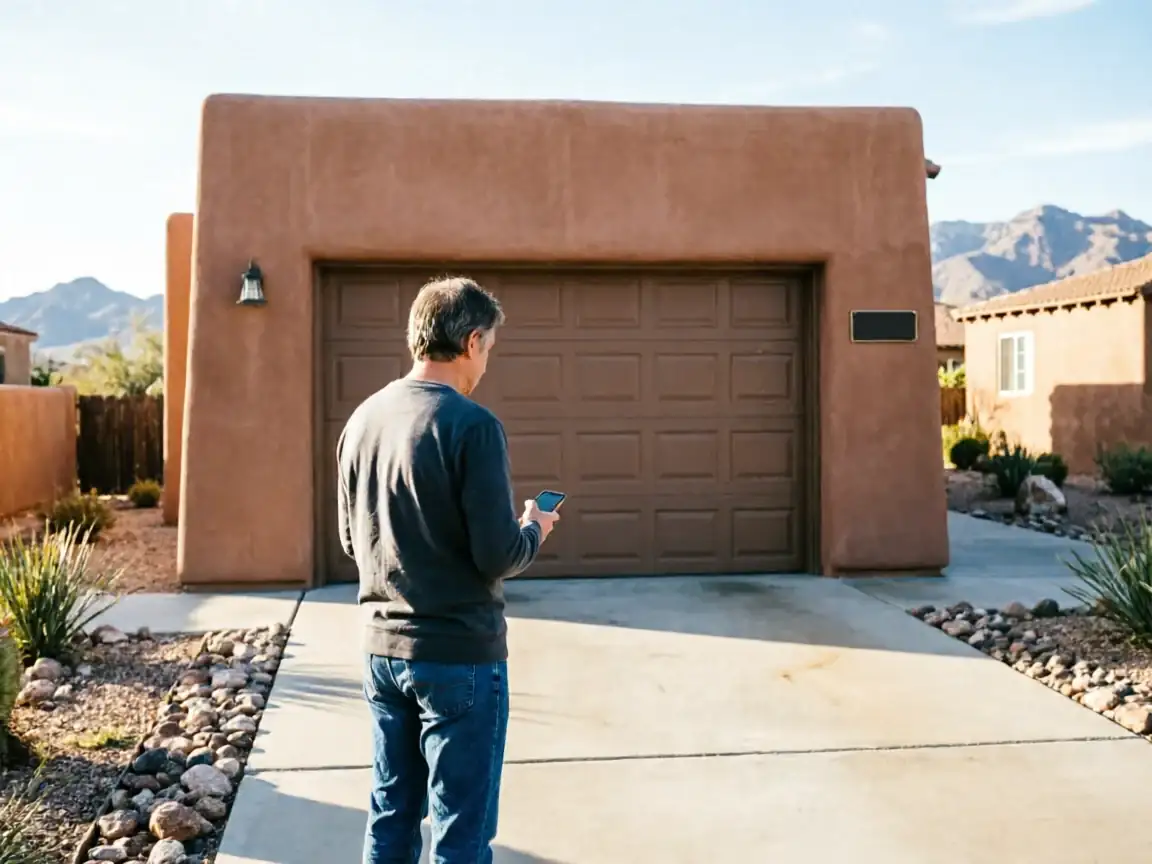
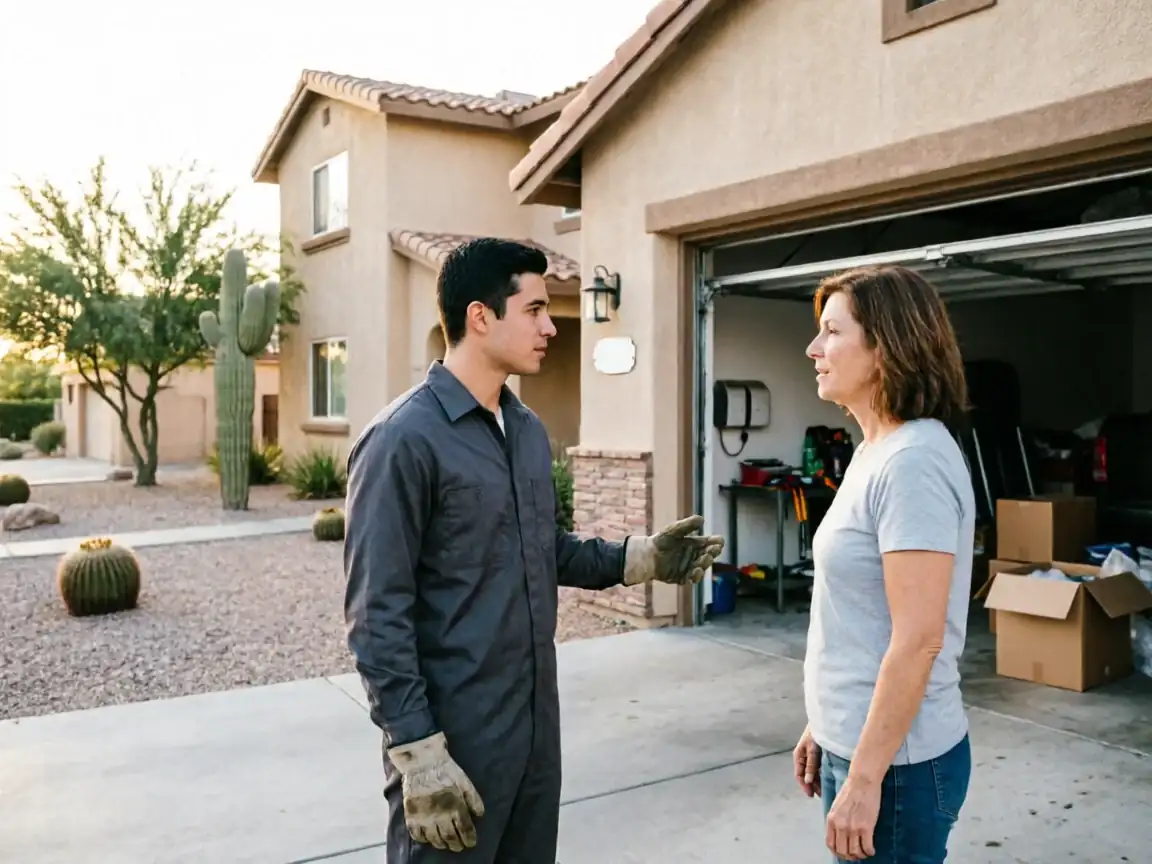
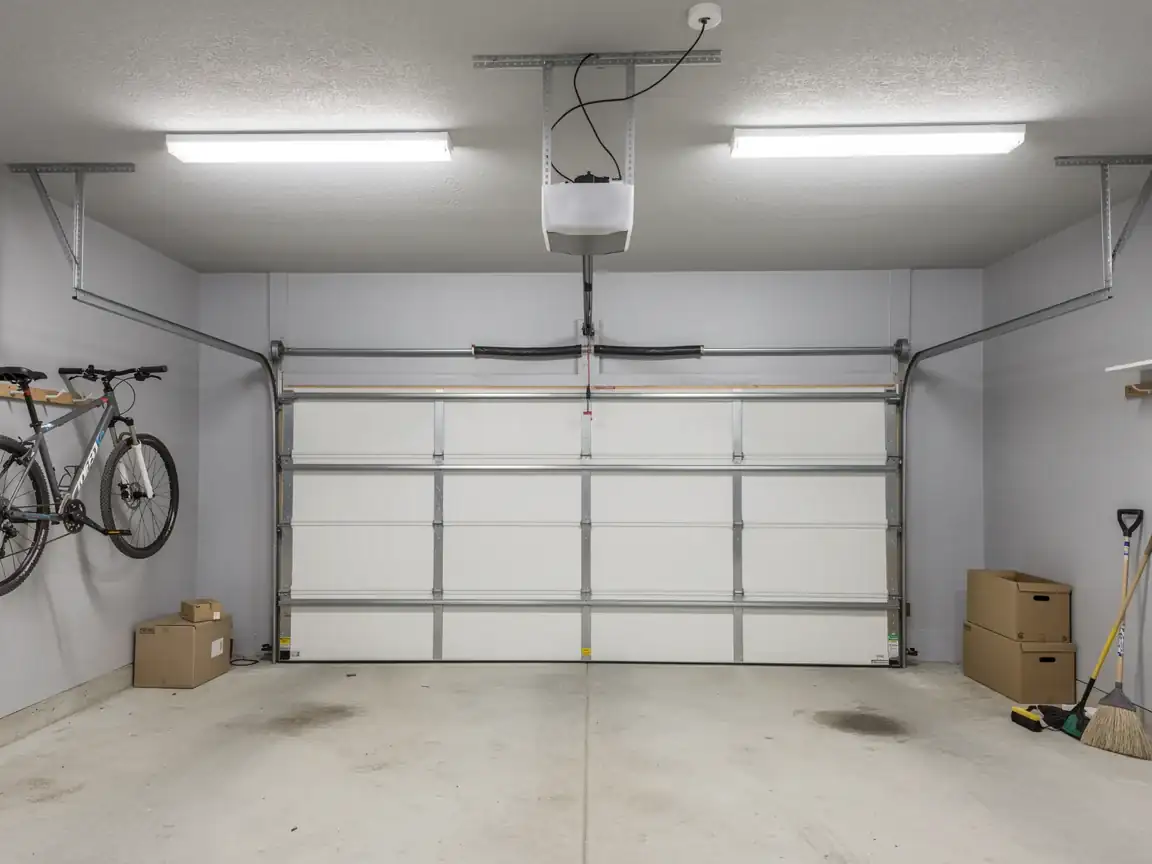
We ask what the door is doing - grinding, off-track, stuck, or just dead quiet when you hit the button - and we ask roughly how old the house is. That second question matters more than people expect, because most of the housing stock in this part of the valley went up between 1979 and 2006, with a median build year around 1994. A door from that window usually has a specific opener style and spring setup, and knowing which era we're walking into before we're on site saves everybody time.
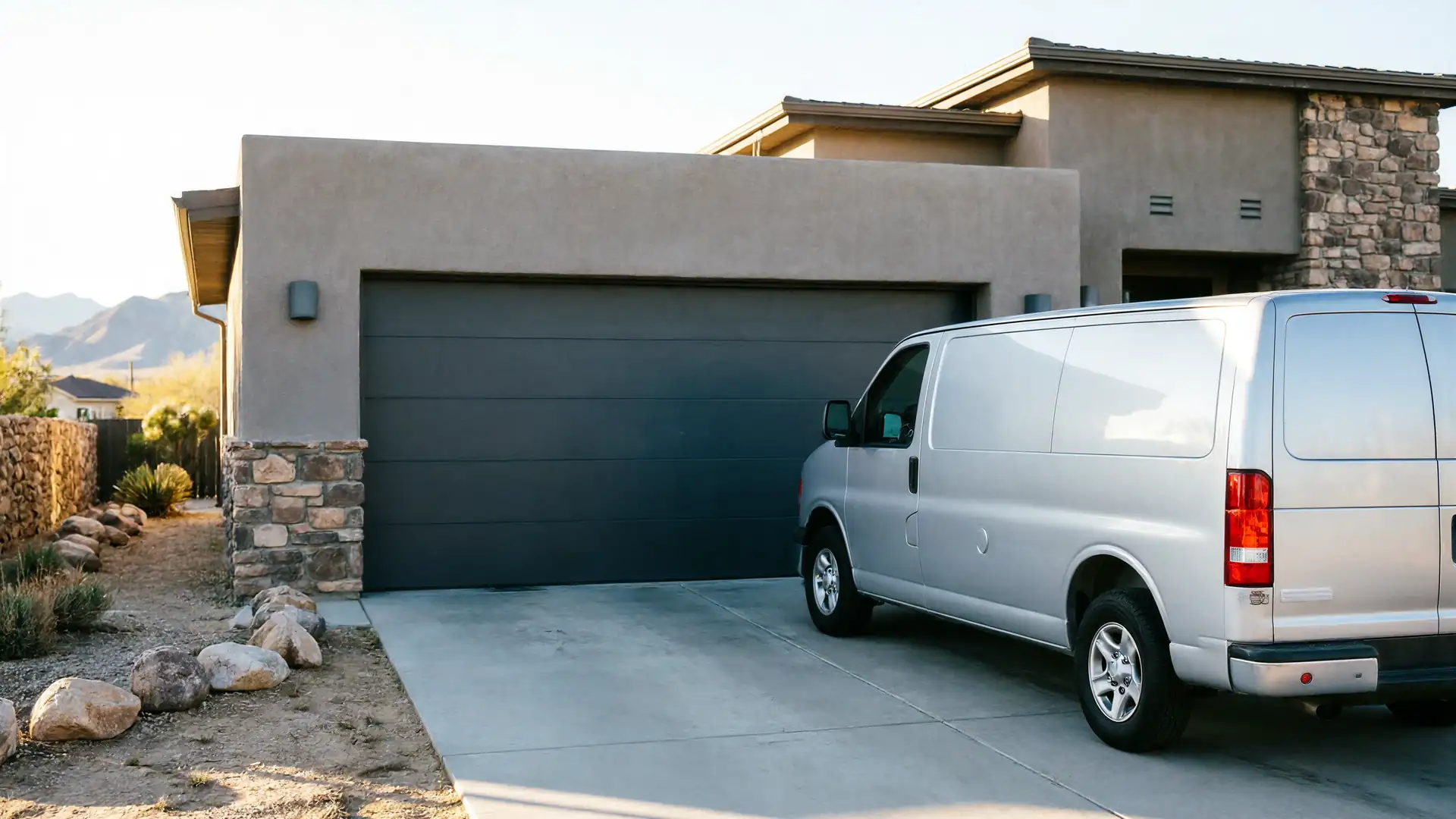
We work across the areas near North Las Vegas, including Sunrise Manor, Winchester, Whitney, Paradise, Spring Valley, Summerlin South
The housing in these pockets is mostly 1980s and 90s stock, which means we see a lot of repeat patterns - the same opener boards failing, the same spring gauges wearing out - rather than one-off oddities. We bring parts that match what's actually out there, not a generic assortment.
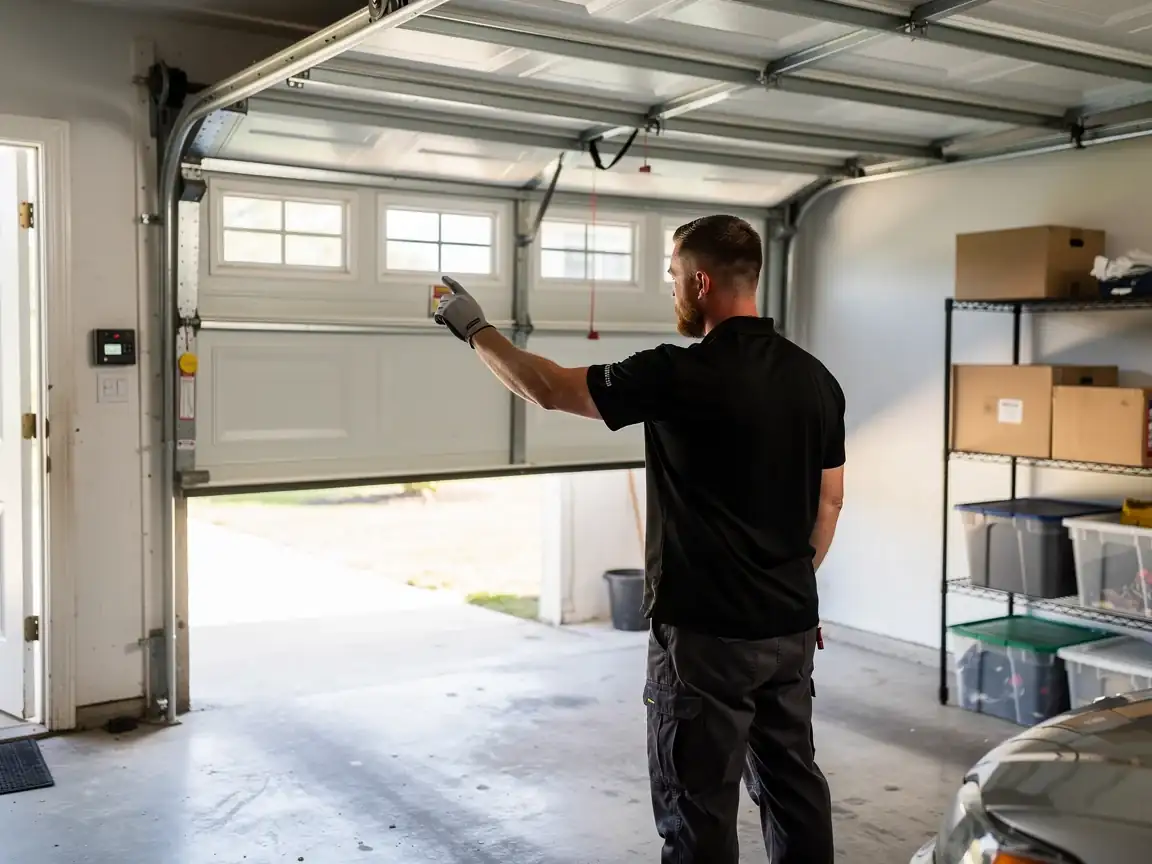
Once we've got the make and rough age, we give you a time window and a straight read on whether this is a repair or a door that's at the end of its service life
Work We Turn Down
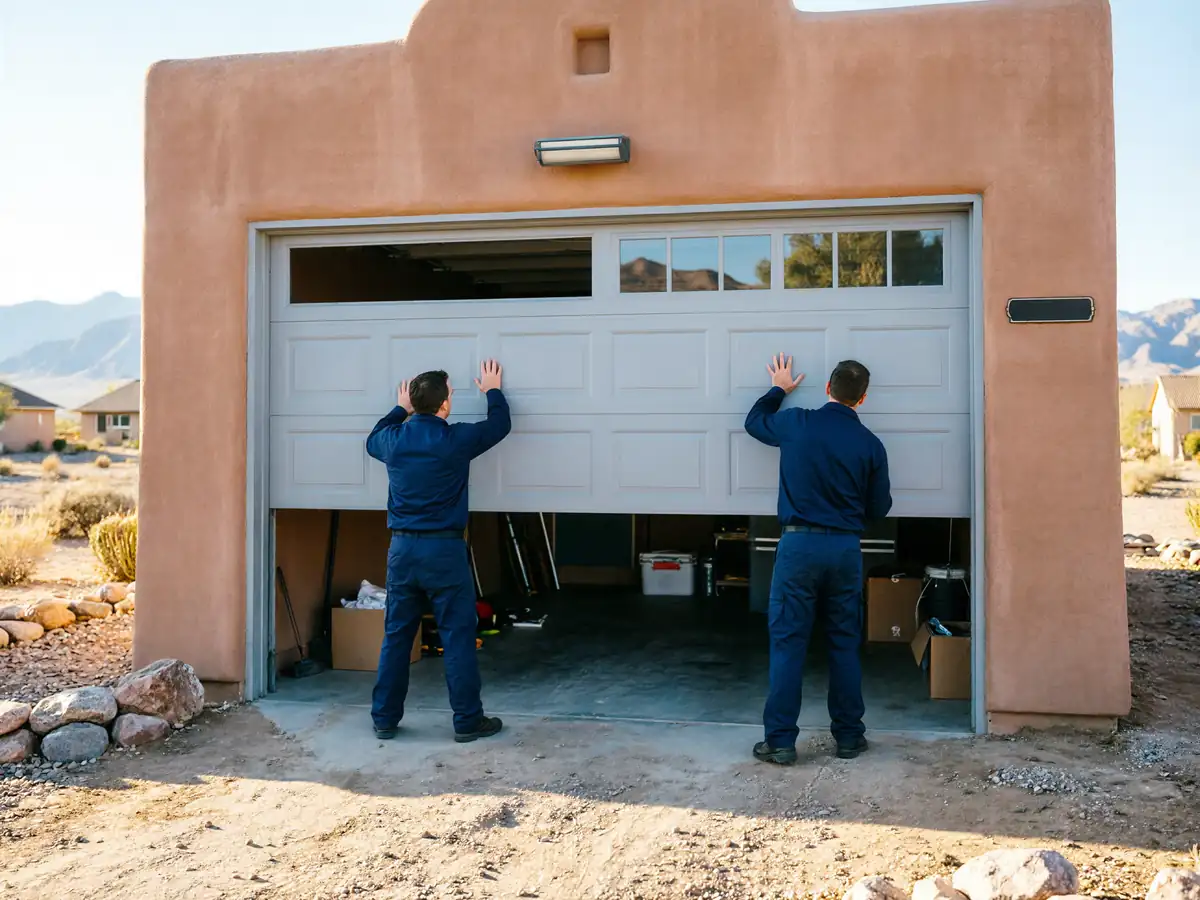
We don't do new construction framing or structural garage conversions - that's a different trade and a different permit process, and we'll say so up front instead of taking the job and figuring it out as we go. We also won't quote a repair over the phone sight-unseen on anything involving a bent torsion shaft or a door that's come fully off its tracks; those need eyes on them before a number means anything.
Heat is the other factor we're honest about. This area sits in a severe heat climate band, and that matters for anything involving sealed bearings, plastic idler pulleys, or opener logic boards sitting in an un-insulated garage ceiling. If a part has already cooked through a few summers, we'll tell you it's a replacement candidate instead of patching it and having you call us back in a month. We'd rather lose a small repair ticket than sell you a fix that won't hold in this heat.
And if your door is original to a house built in the 1980s or early 90s and the opener housing is cracked or the drive gear is stripped past the point of parts availability, we'll say that plainly rather than stack new parts on an old frame.
What We Are Called Out For
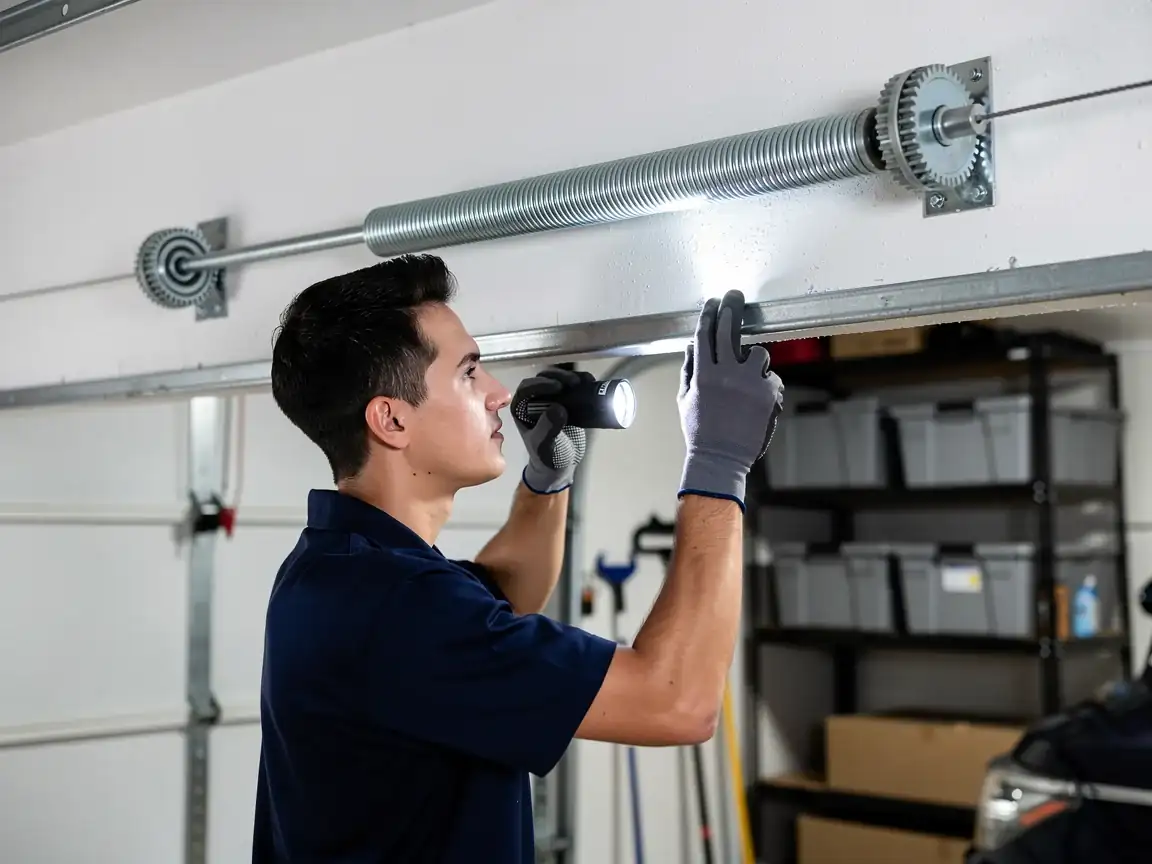
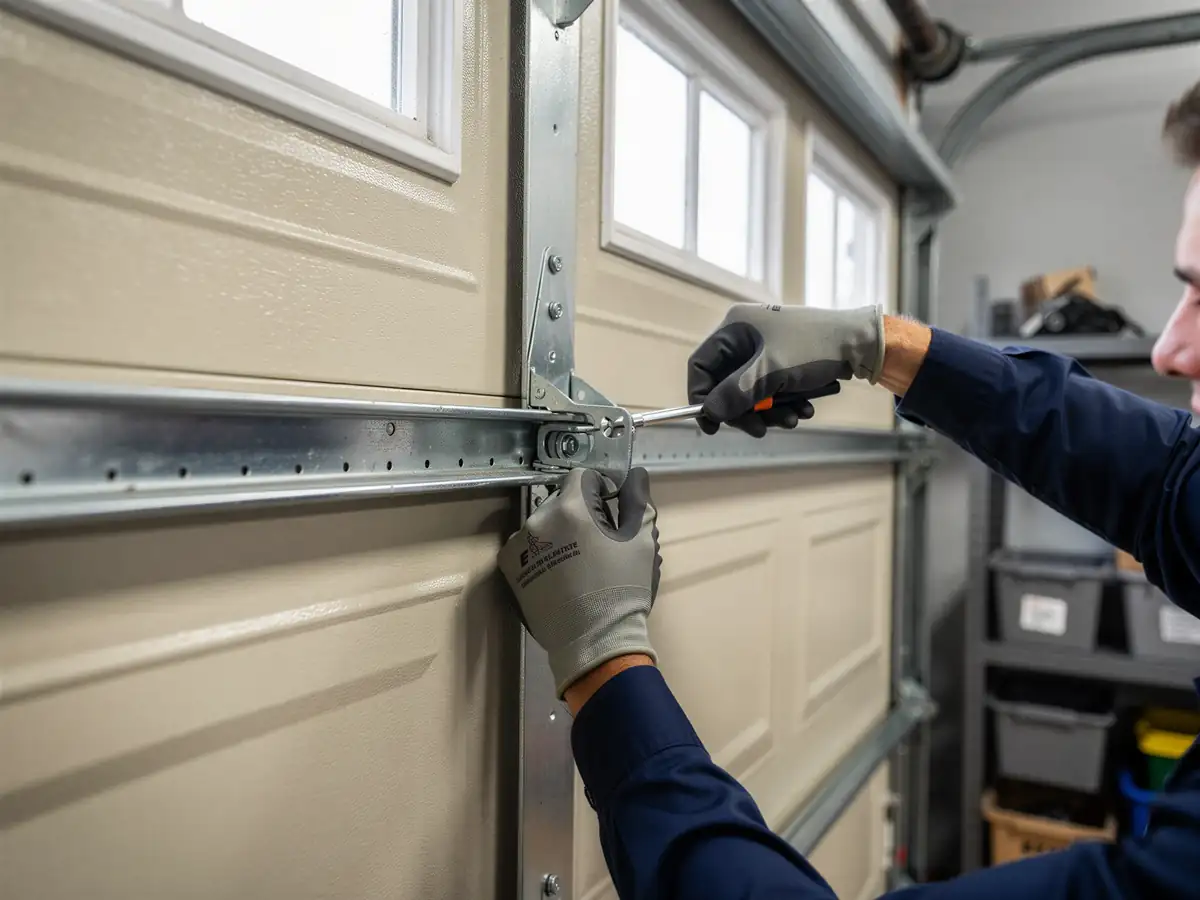
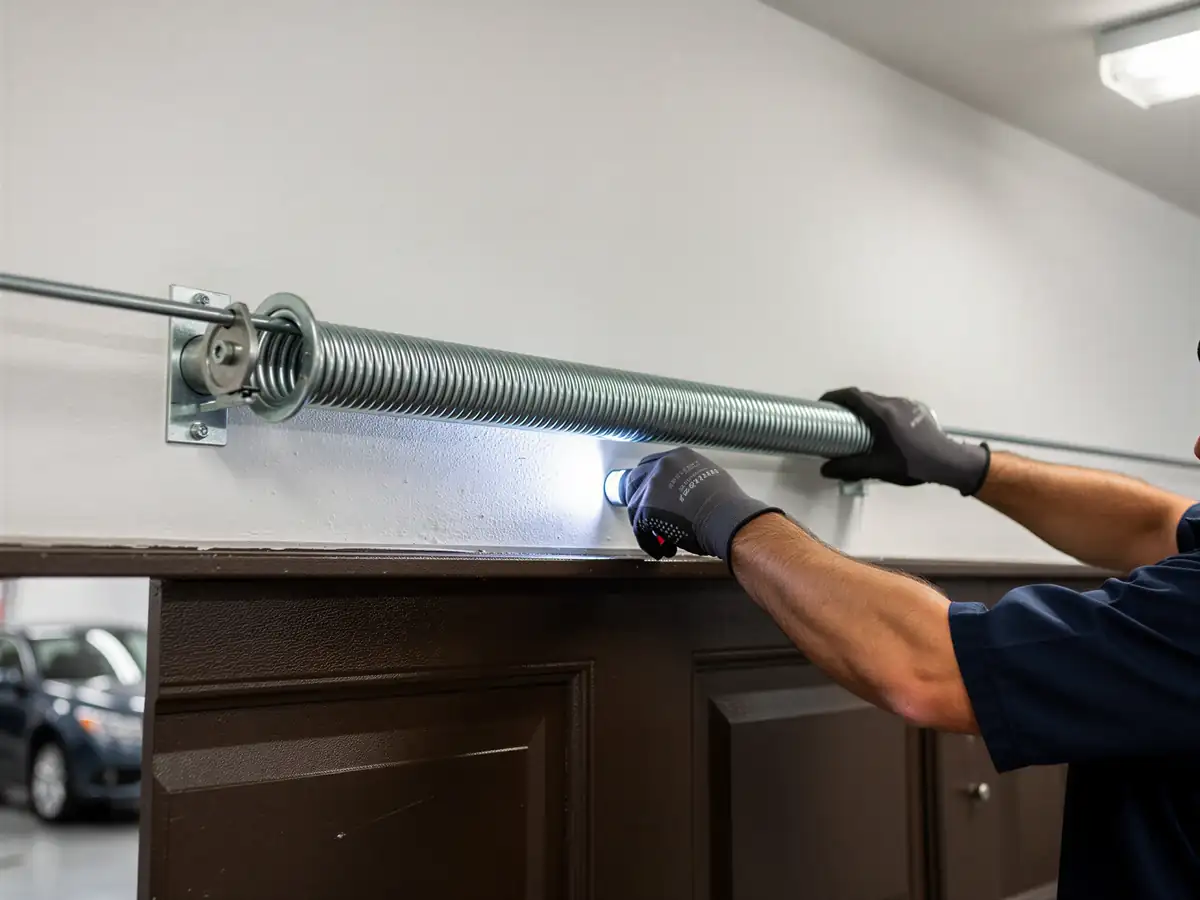
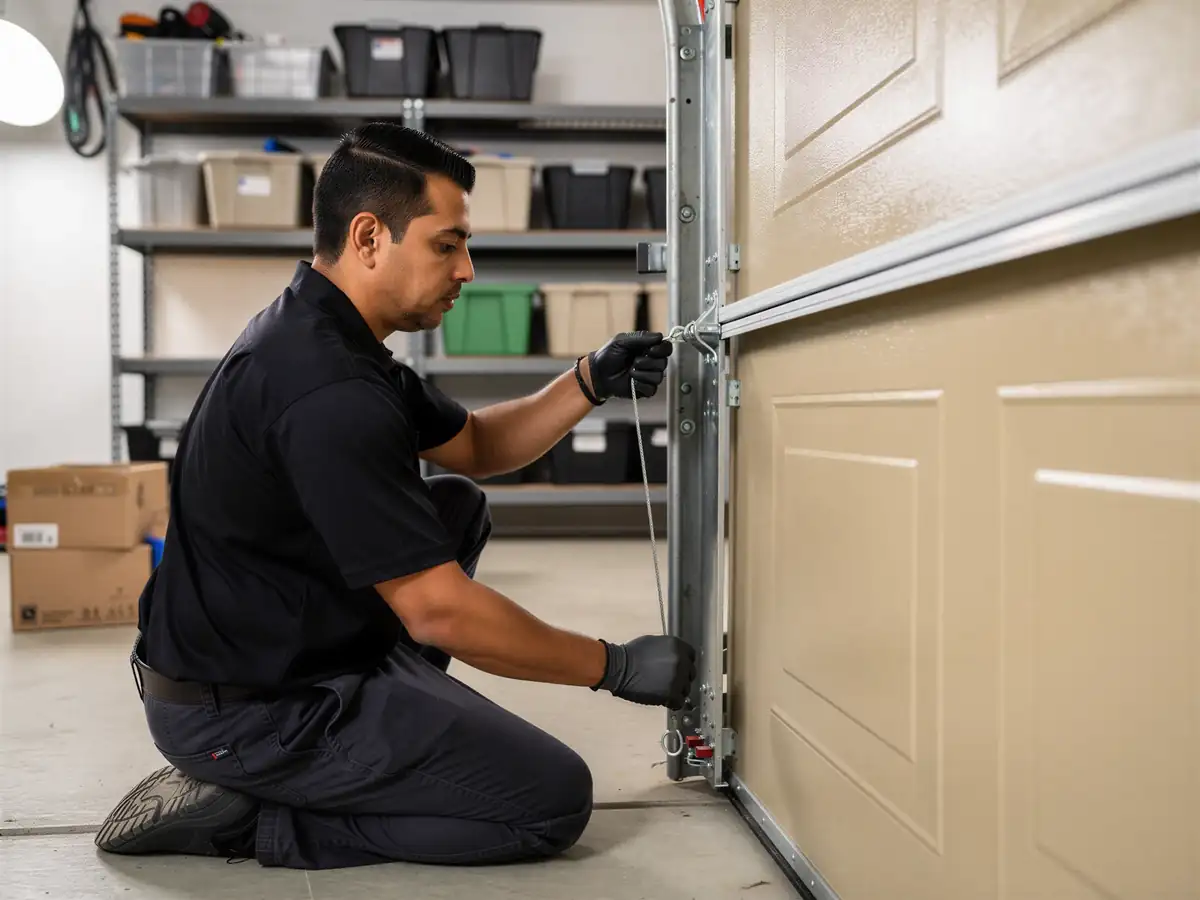
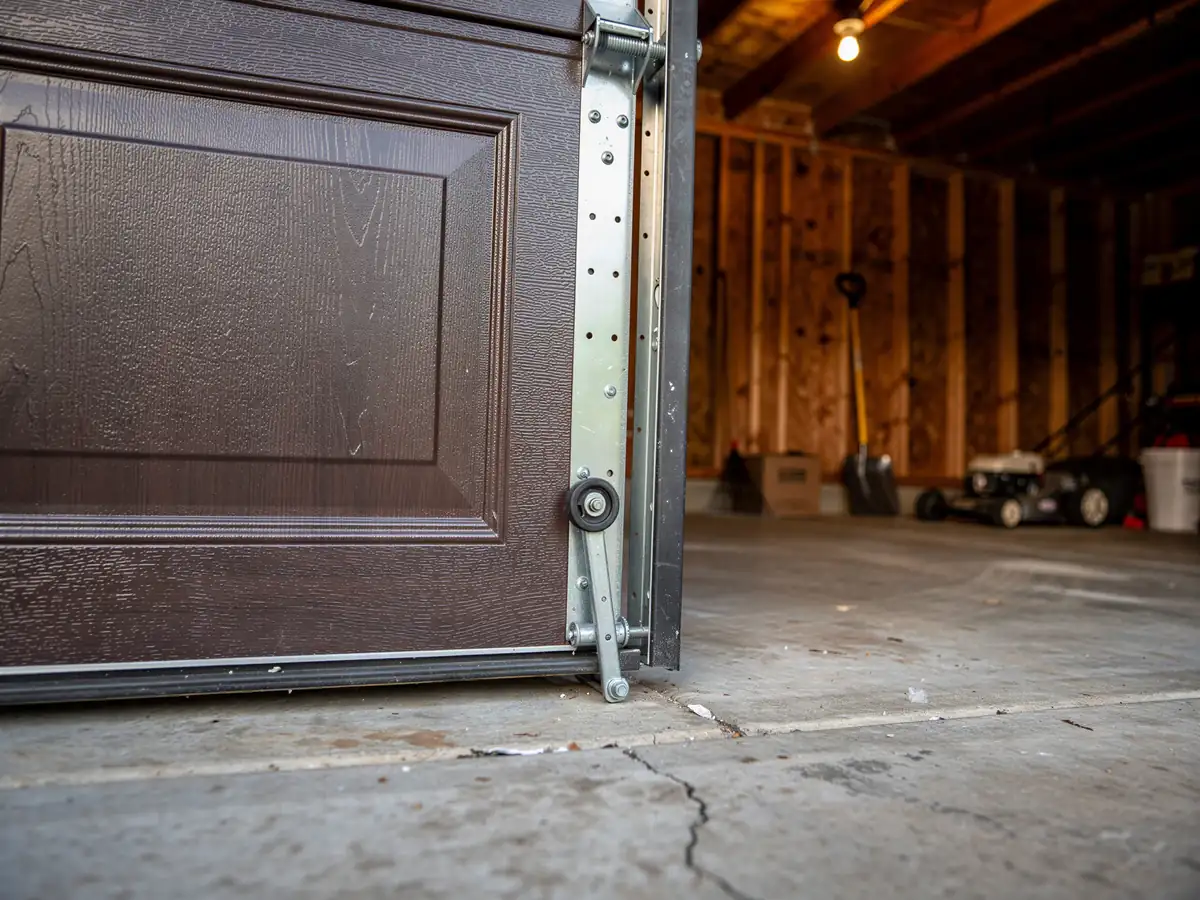
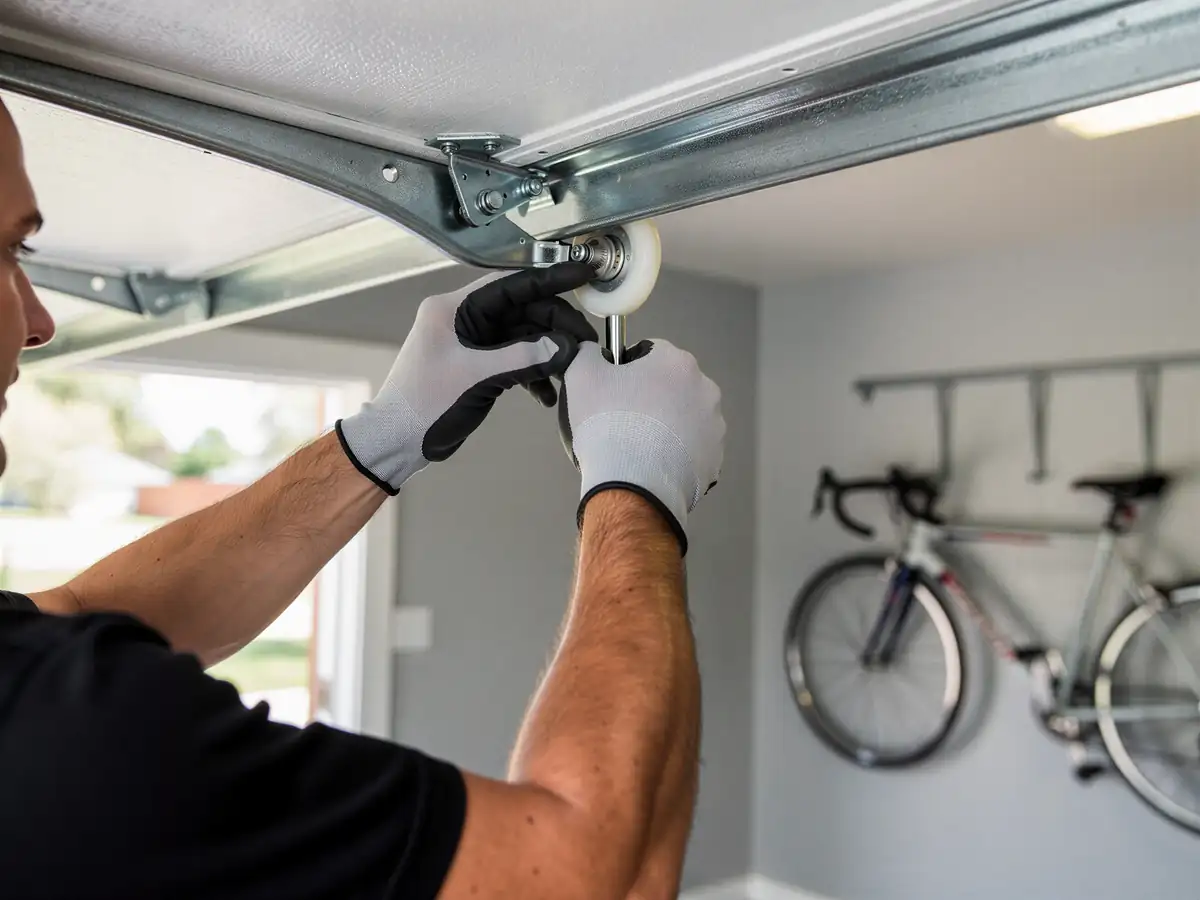
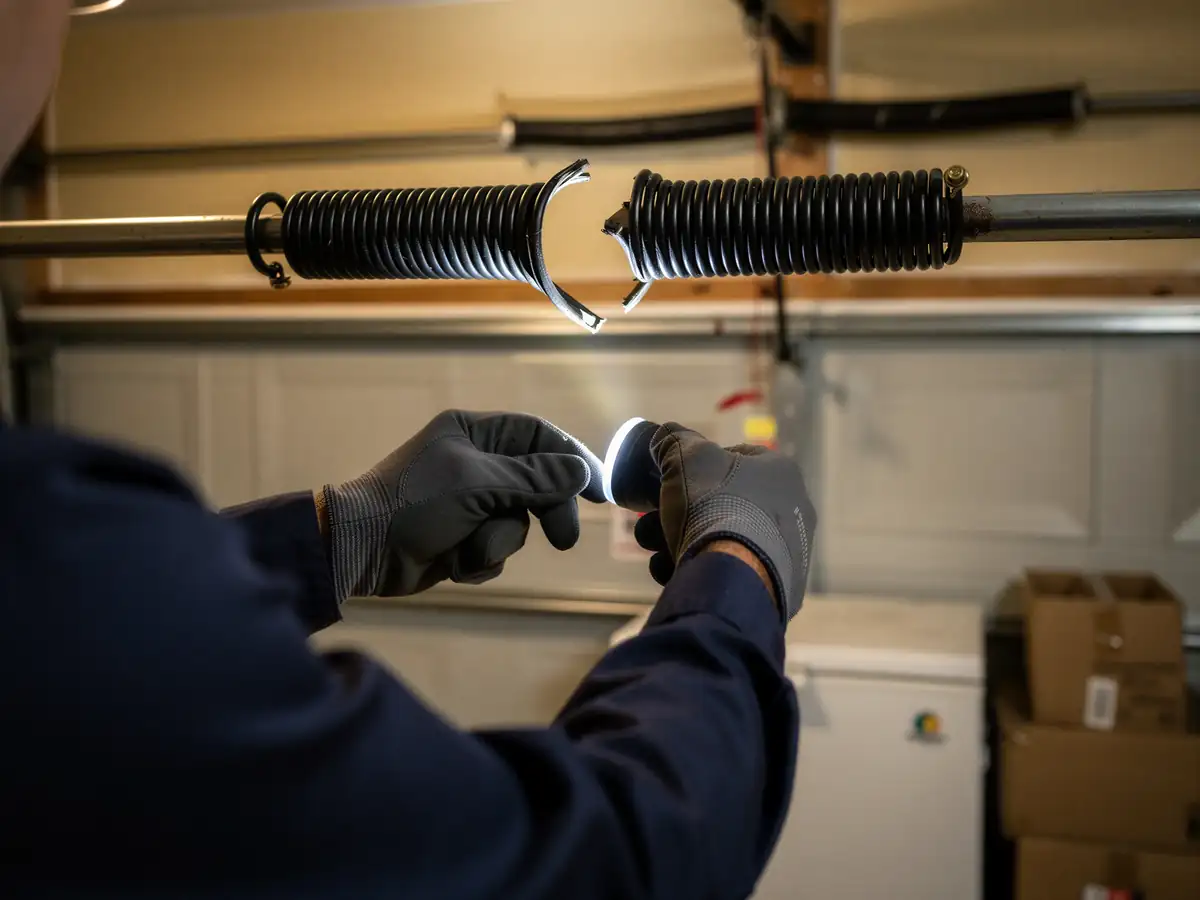
Most calls fall into a short list: broken torsion springs, openers that hum but don't lift, rollers that have worn enough to rattle the whole track, and cables that have frayed off the drum. Given that the service area's housing is largely 1979 to 2006 construction, a lot of what we replace is original hardware finally reaching the end of its run rather than damage from an accident.
We also get called for doors that won't seal at the bottom, which in a severe-heat climate band like this one isn't cosmetic - a bad seal lets attic-level heat into the garage all summer, and if the garage shares a wall with living space, that heat load doesn't stop at the door. Weatherstripping and bottom seal swaps are a small job but a common one here.
Across the household data for this service area - about 271,542 households and roughly 70,779 owner-occupied houses, with a median household income near $61,177 - we see a strong lean toward repair-first calls rather than full replacement, which tracks with a market where most owners want the existing door working rather than upgraded.