What Neighbours Usually Call About
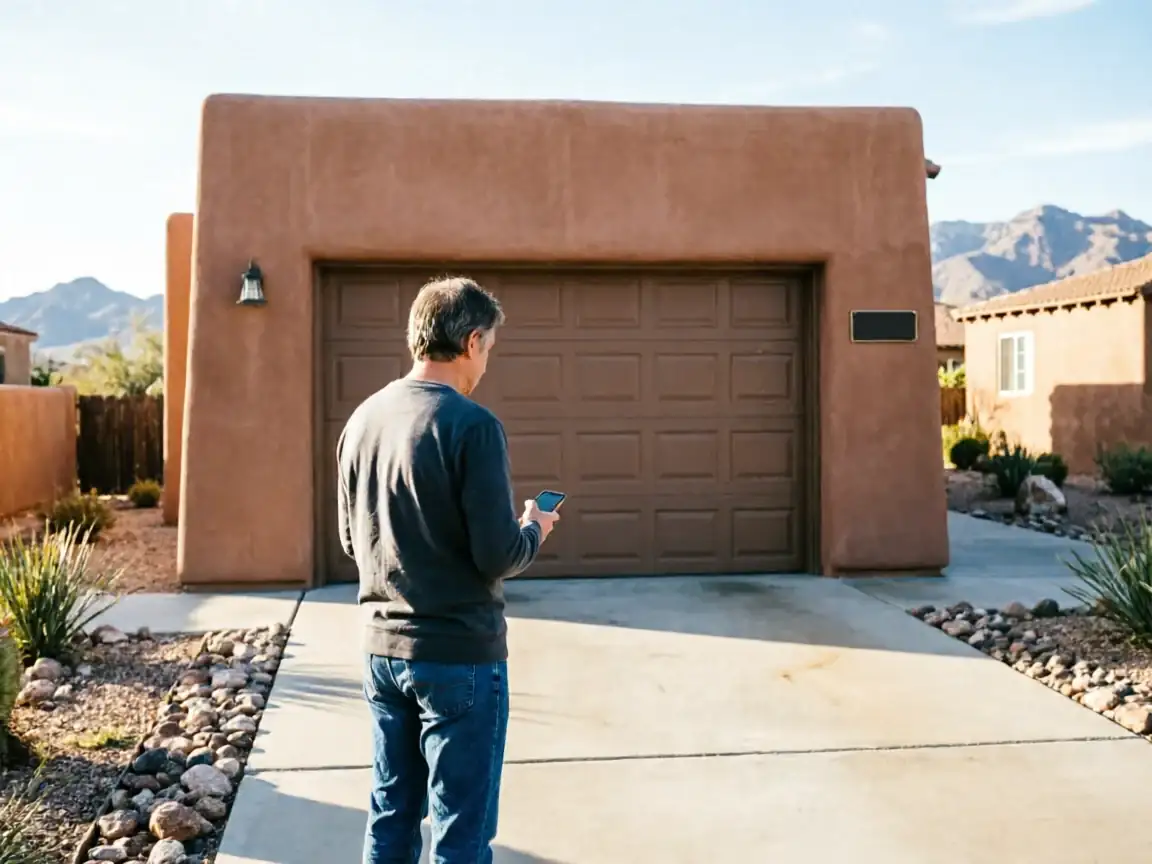
Summerlin South sits newer than most of the valley we cover
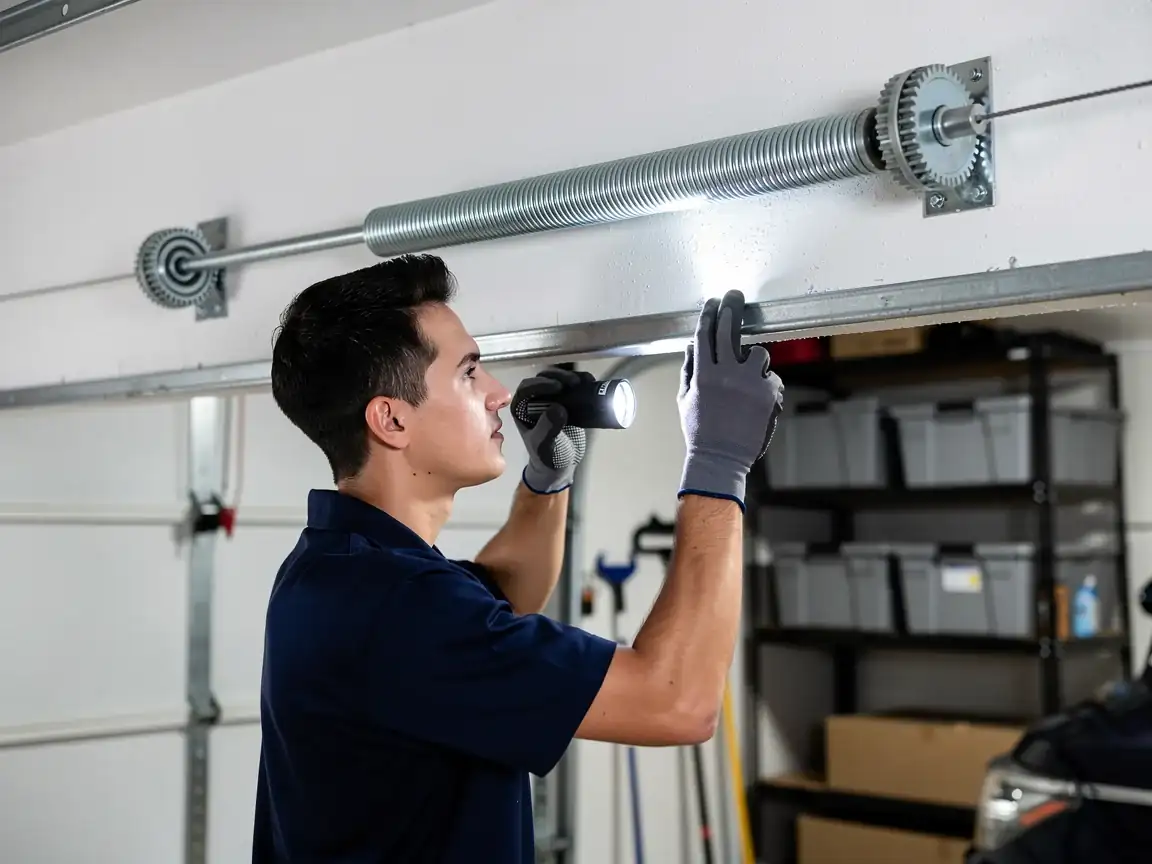
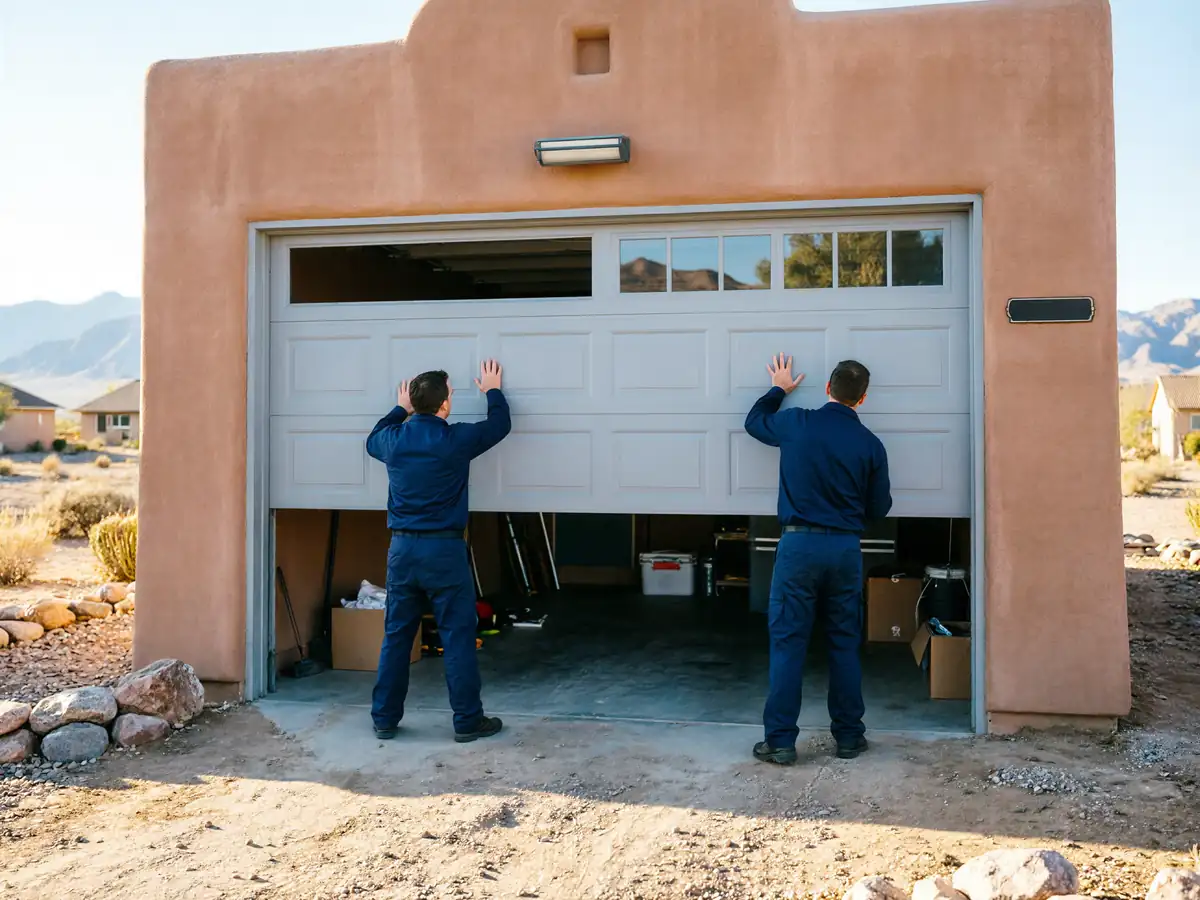
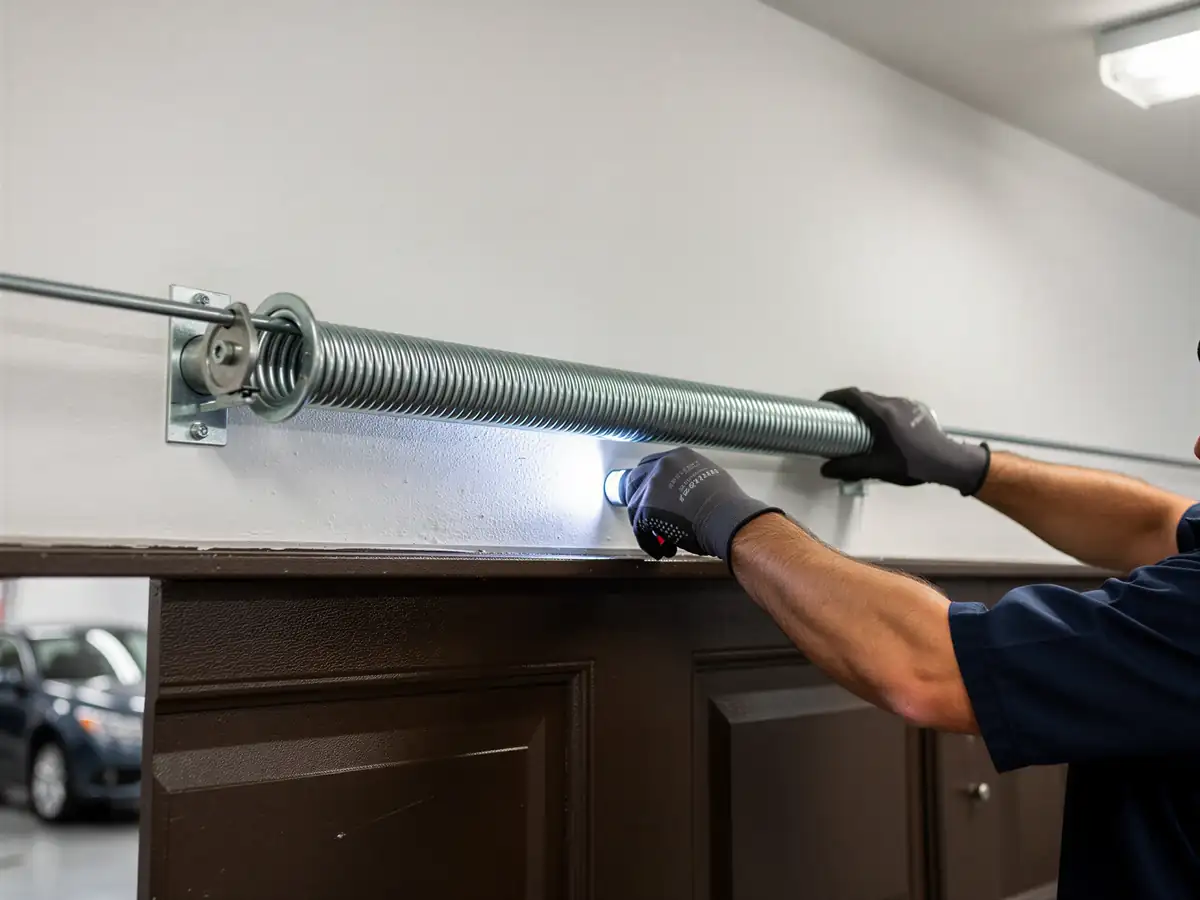
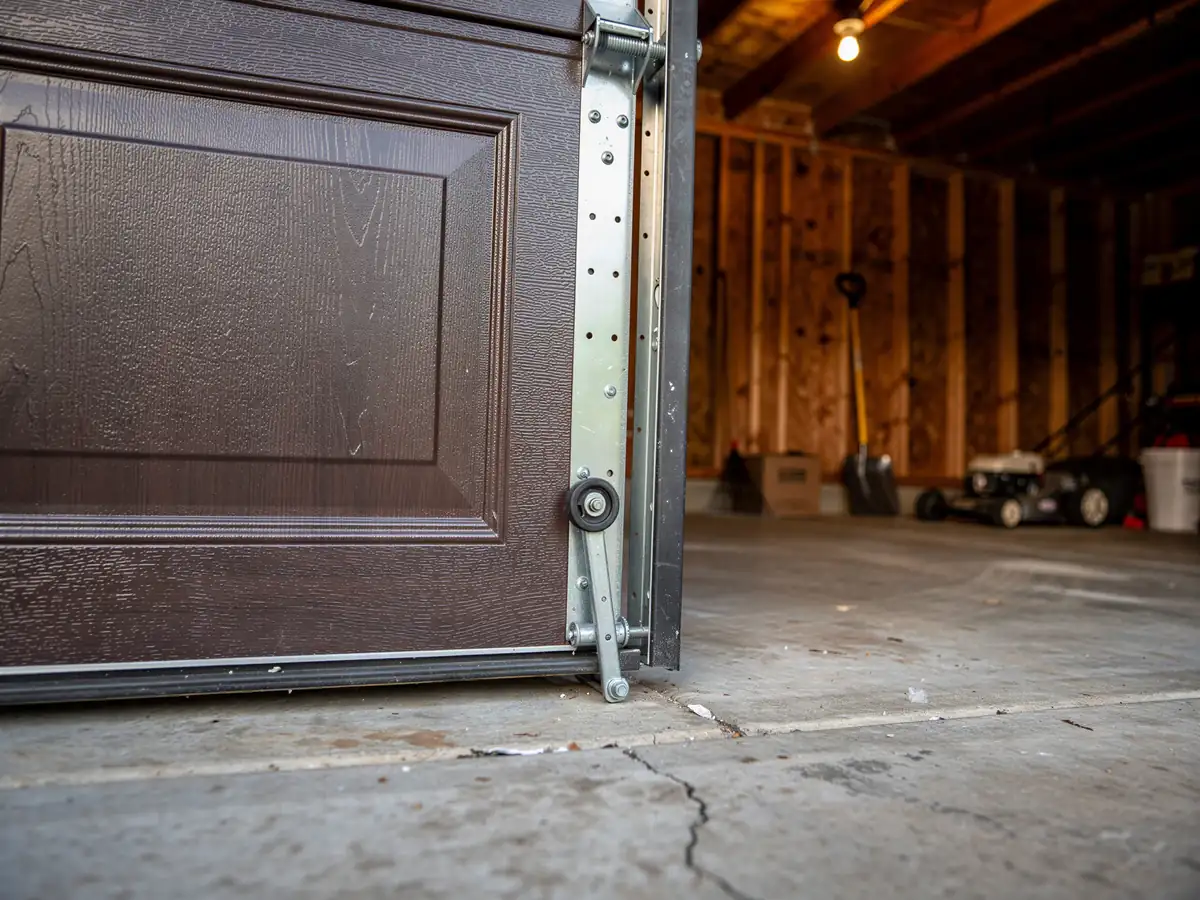
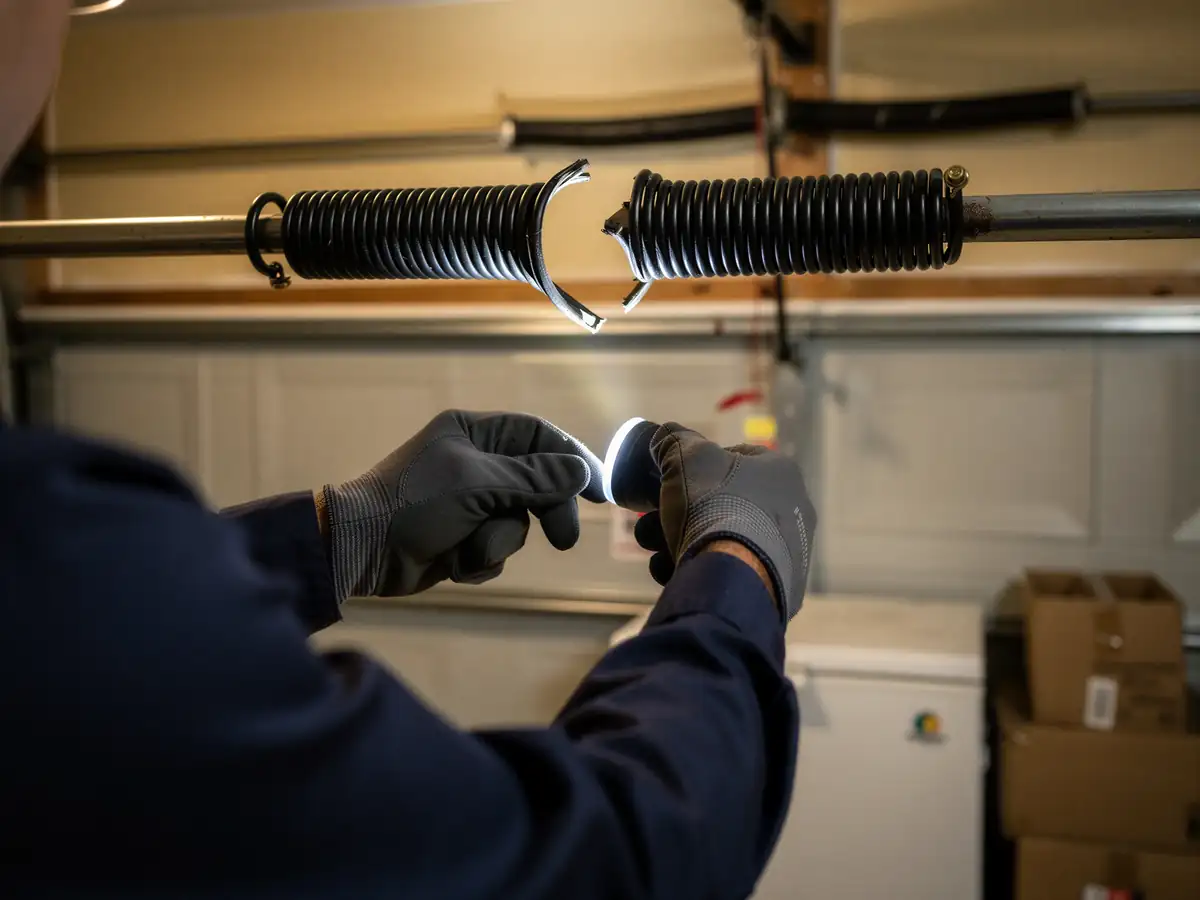
With a median build year around 2006, the doors out here are a different generation than the 1994-median stock typical across the wider service area. That means fewer calls about ancient one-piece doors and more about openers reaching the end of their circuit board life, keypads that have stopped syncing, and torsion springs hitting their first real wear cycle after fifteen-plus years of daily use. We also hear from owners whose insulated steel panels have started to delaminate at the bottom section, usually where sprinkler overspray or runoff hits the door face over and over.
Because this area's household income runs well above the regional median
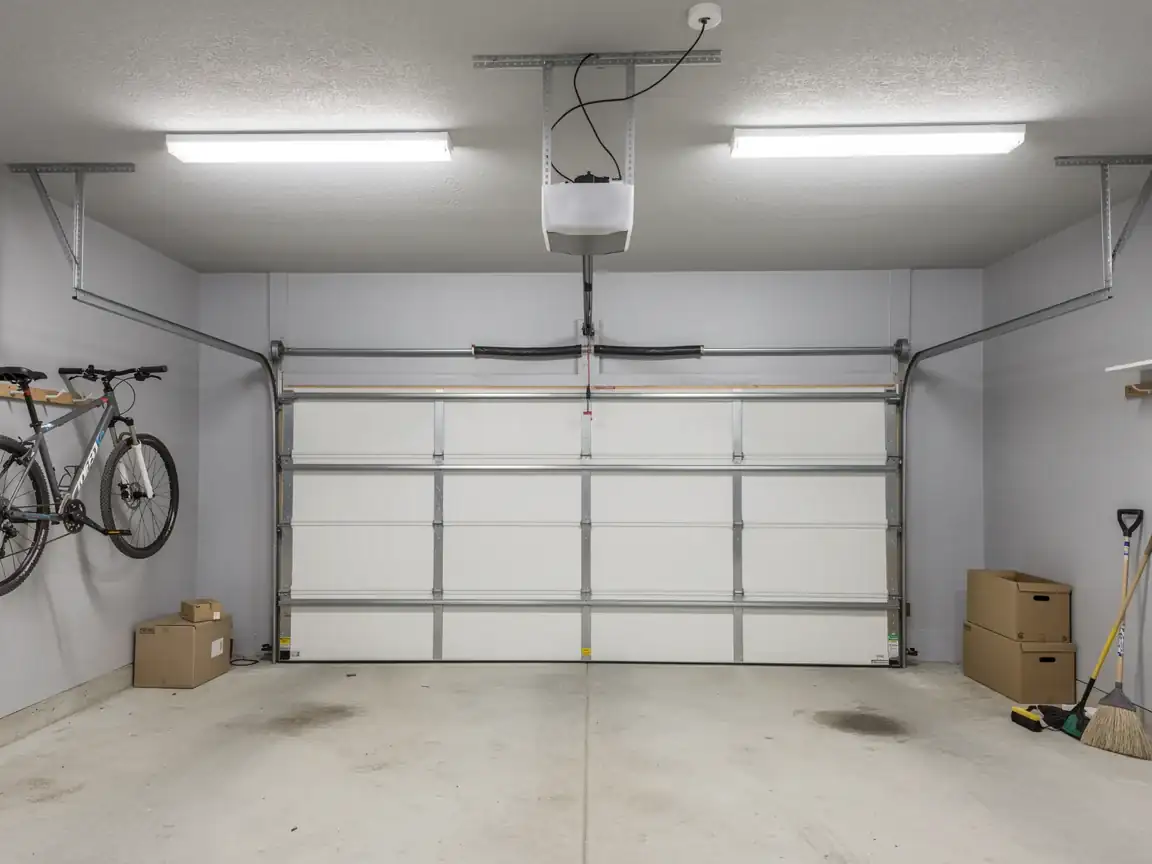
We also see more two-car and oversized doors with heavier-duty openers, chain or belt drive rated for bigger panels. Those systems fail differently than a basic 1/3-horsepower residential unit - burnt out capacitors, worn drive gears, battery backup units that never got swapped after the first battery died.
What That Means for Doors
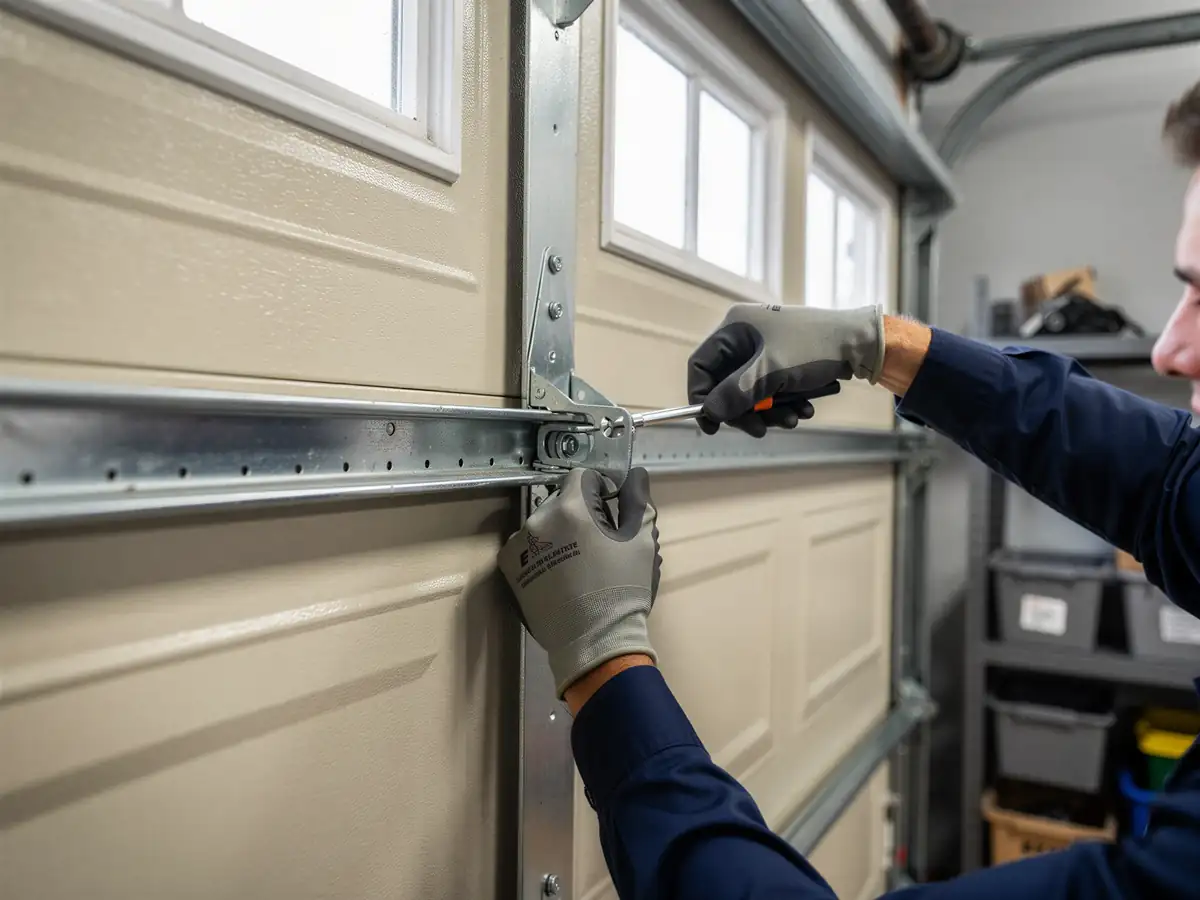
A door built after 2006 is almost always on a steel roll-formed track with factory-set torsion springs, not the older side-mounted extension setups you'd find on a house from the 1980s. That's good news for repair speed - parts for this generation are still in production and we're not hunting down a discontinued bracket. The tradeoff is that newer openers lean more on electronics: logic boards, rolling-code receivers, Wi-Fi modules bolted onto the head unit. When one of those fails, it's a board swap or a full opener replacement, not a five-minute adjustment.
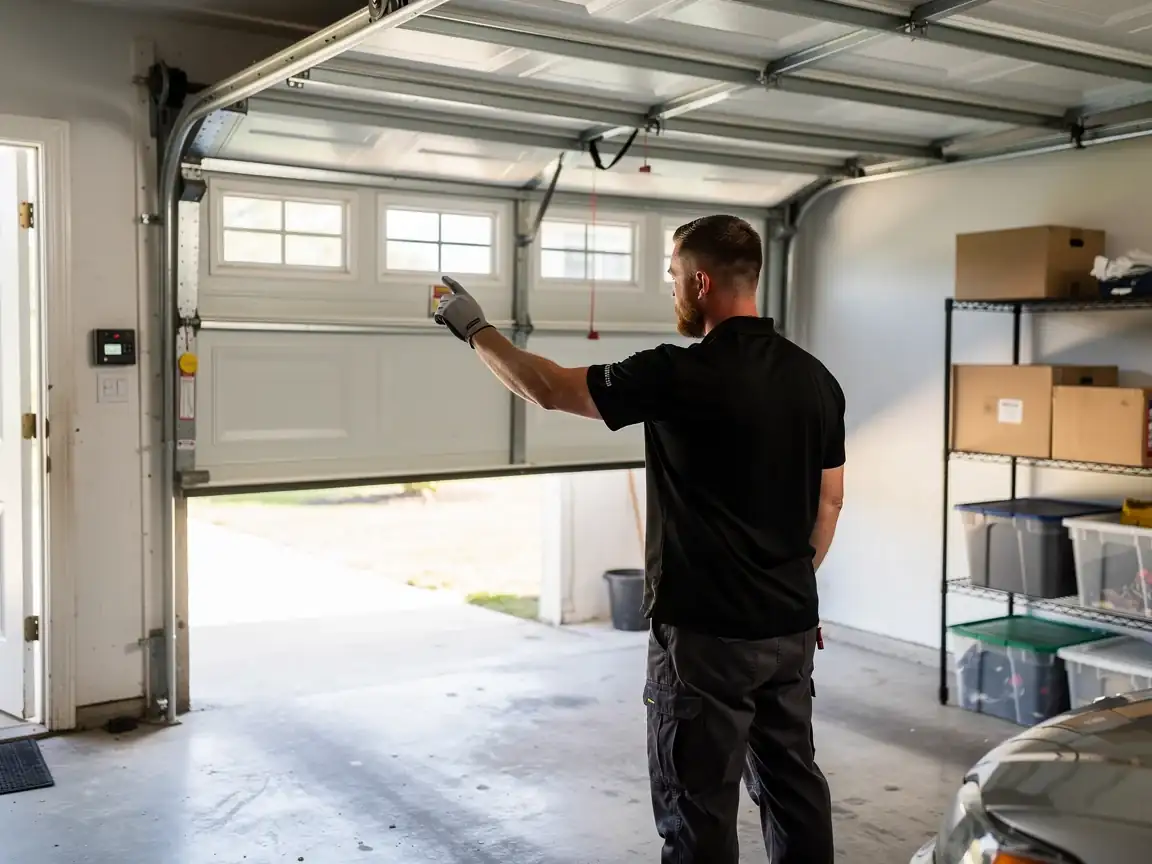
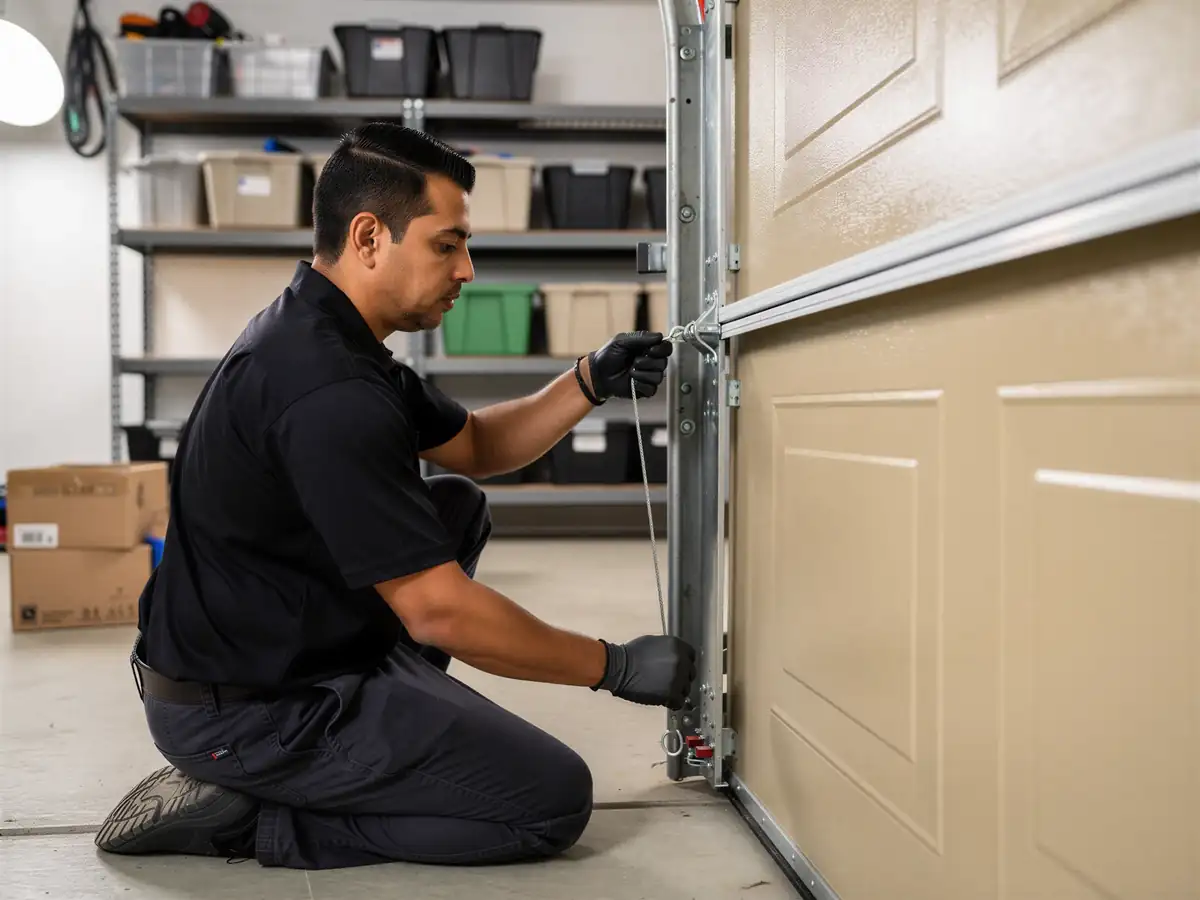
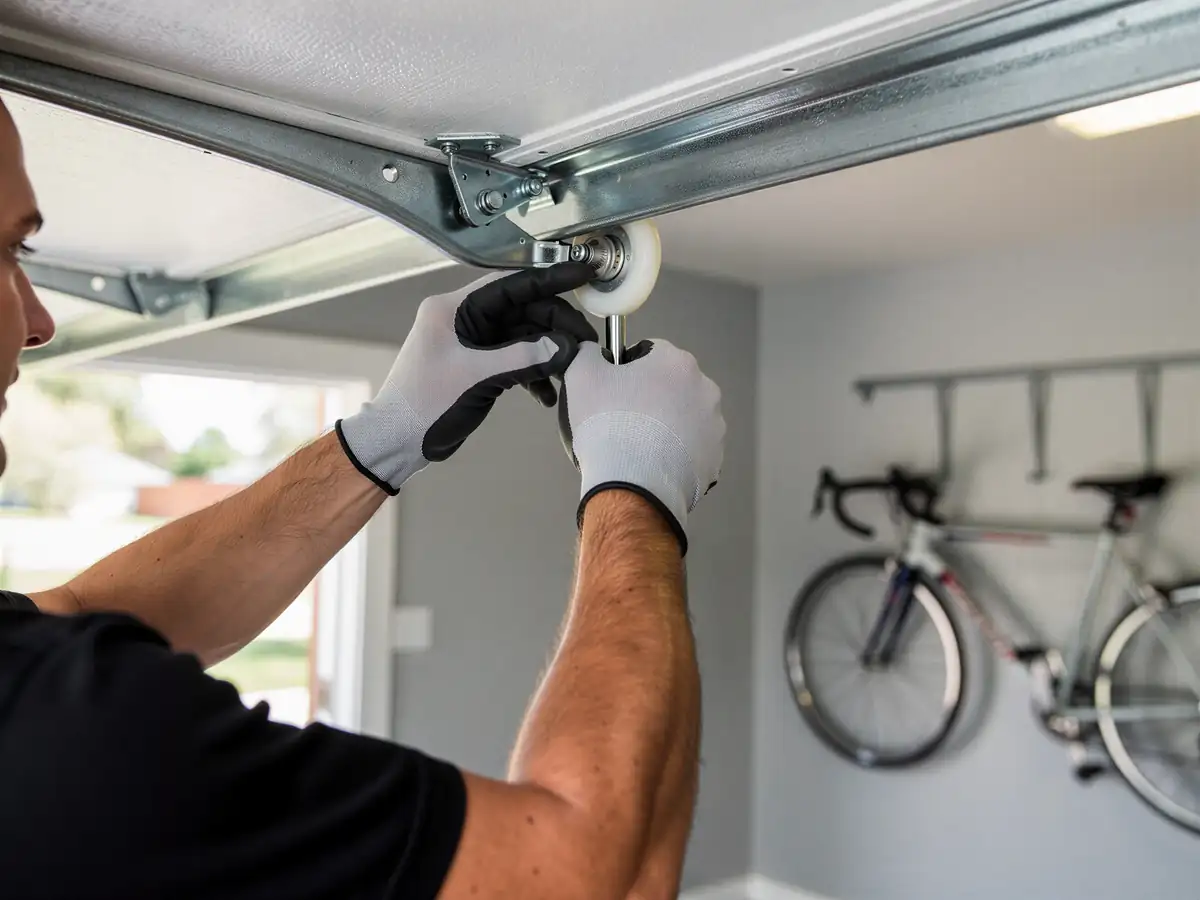
We also watch for heat-driven failures here. The climate band for this service area runs severe heat, and that matters more for newer doors than people expect - the nylon rollers and plastic idler bearings common in post-2000 door kits soften and crack faster under repeated 110-plus-degree afternoons than the all-steel rollers used on older builds. If your door has started grinding on the way up, that's often the first sign.
The Houses Here
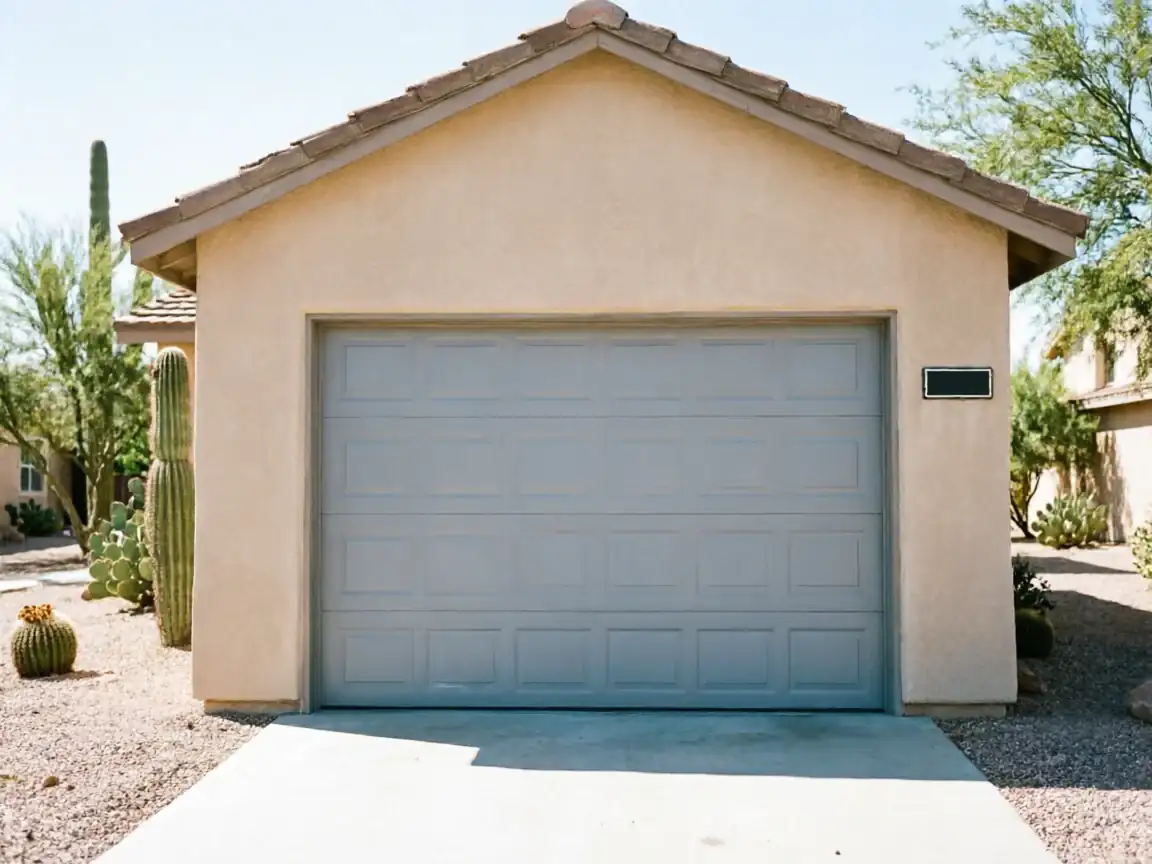
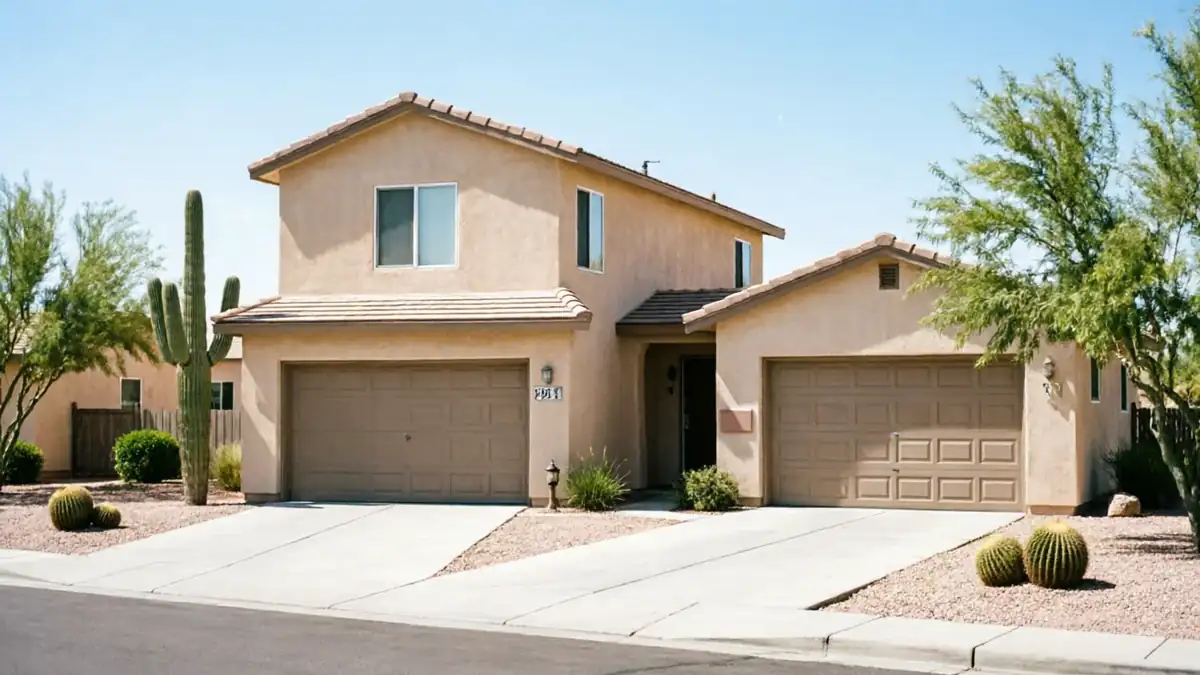
Across the wider area we serve, housing stock runs from 1979 to 2006, with most of it dating to the 1980s and 90s across six named areas. Summerlin South sits at the newer edge of that range, with a median build year of 2006 itself - meaning a lot of these garages were built to a later energy code than most of the valley, with better door seals and in some cases foam-core panels as standard rather than an upgrade.
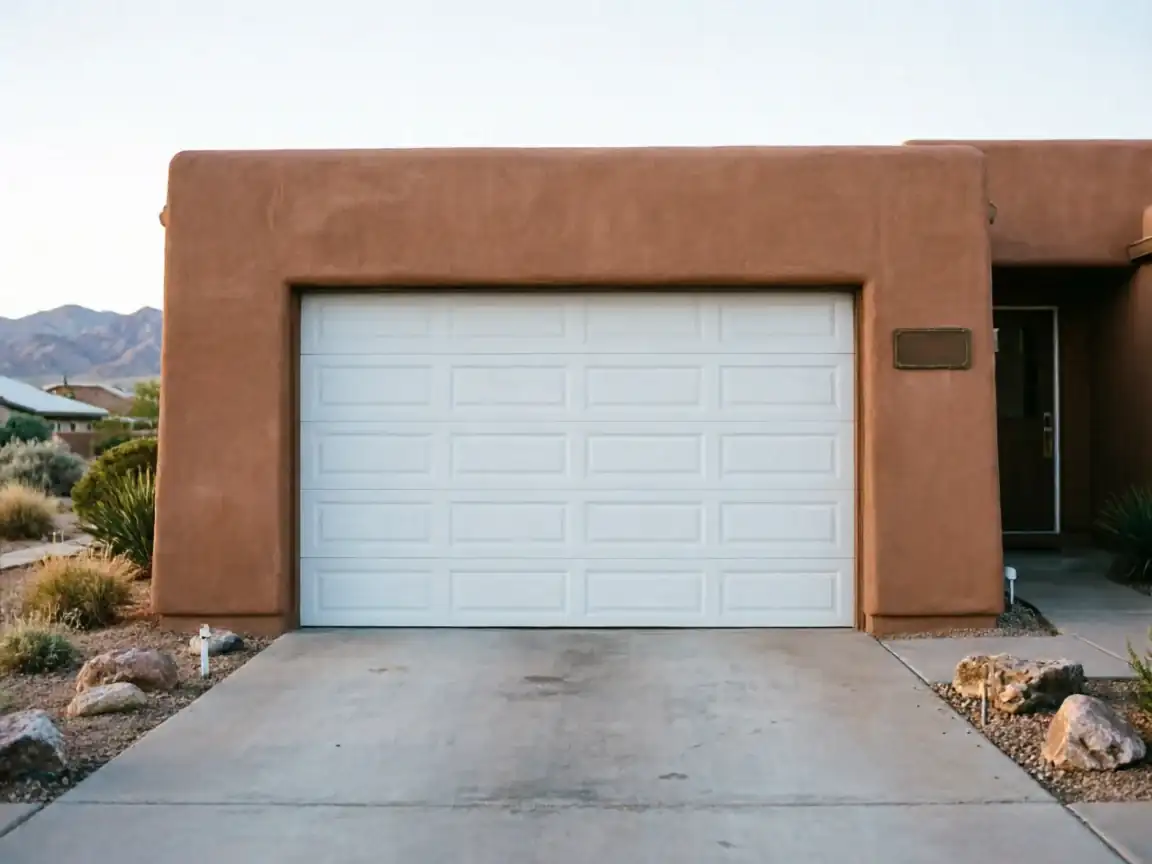
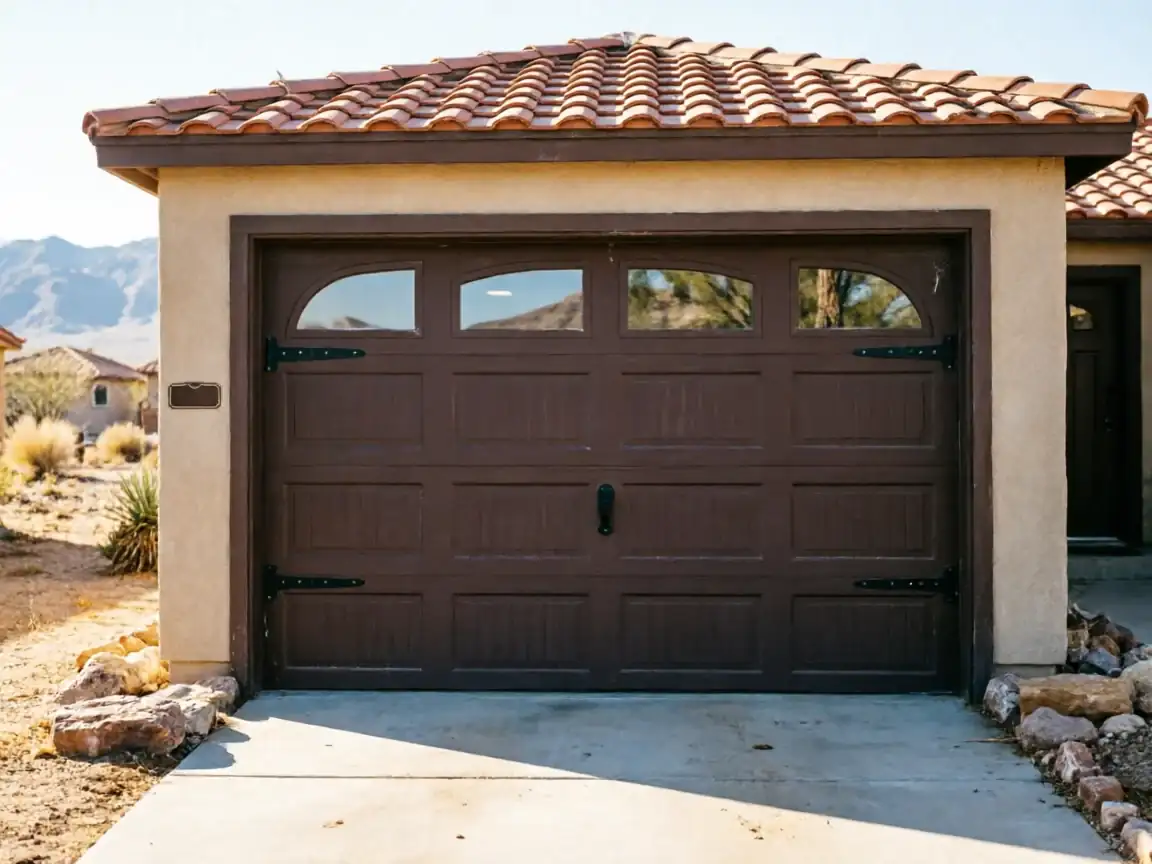
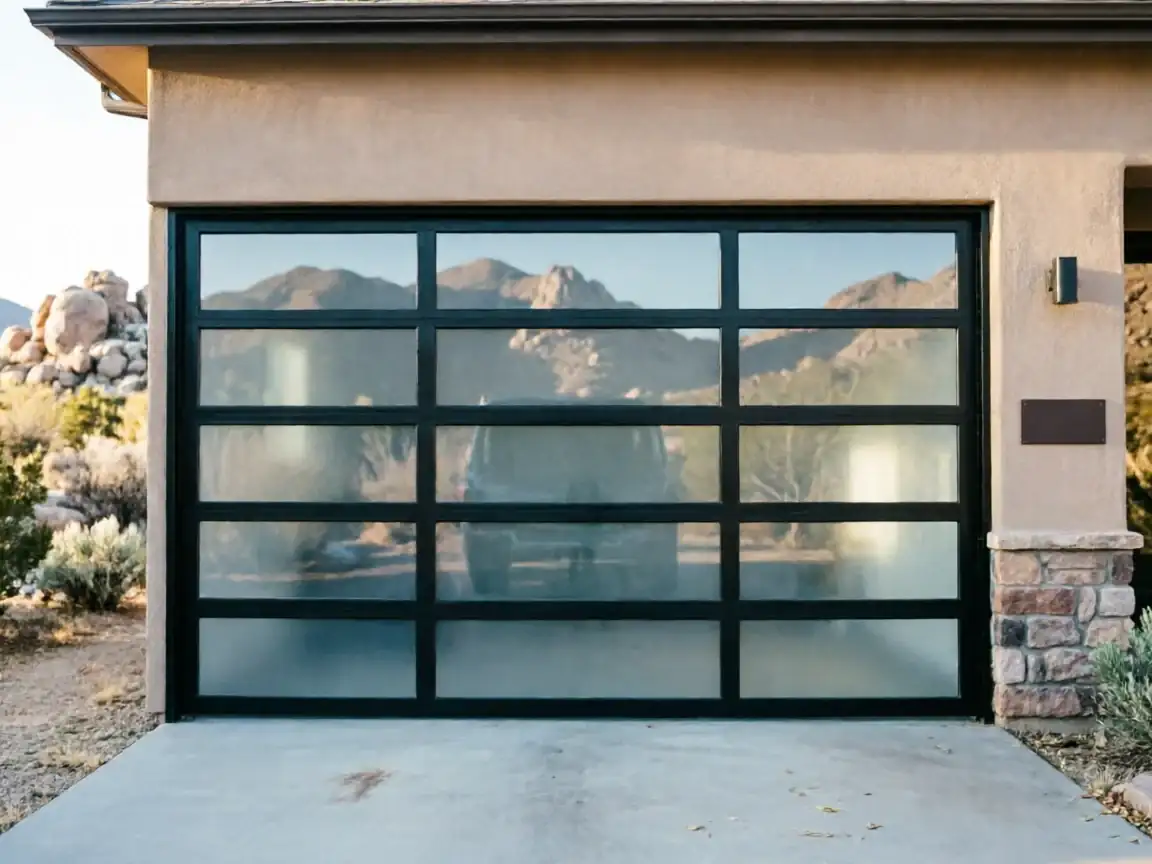
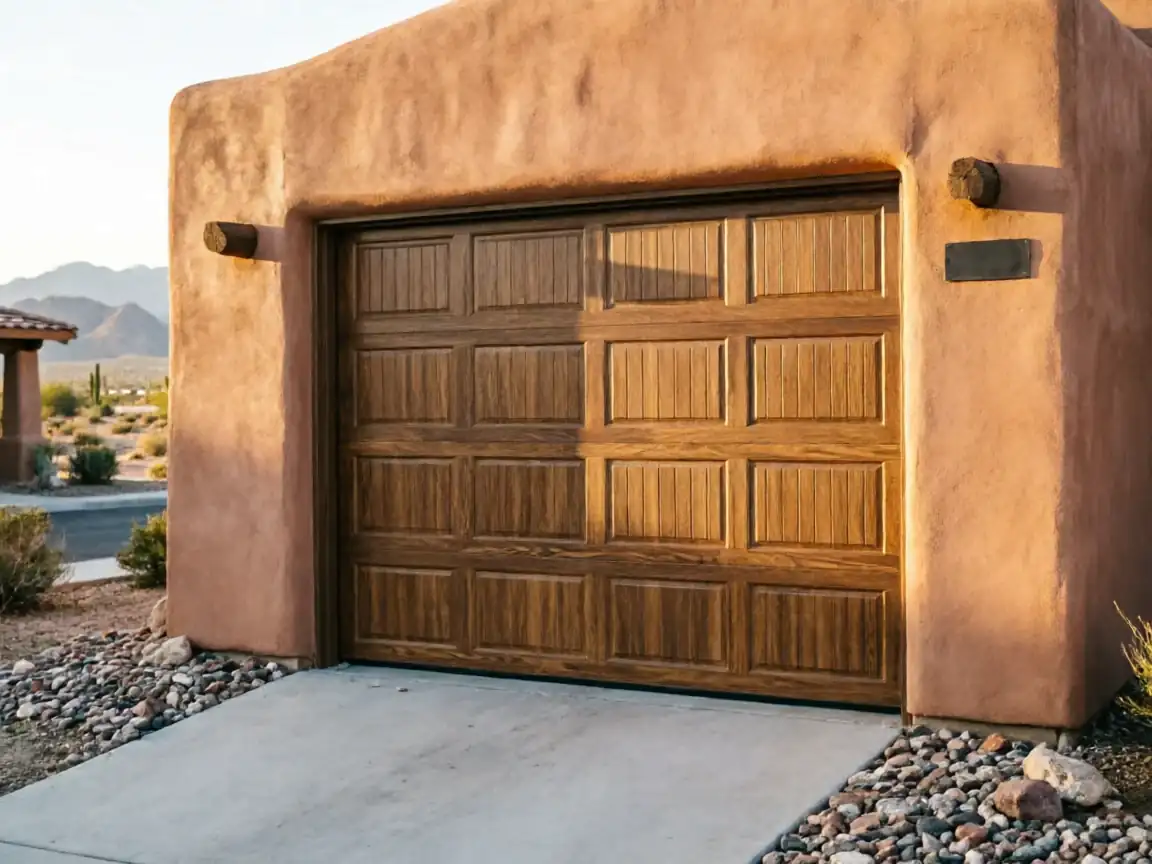
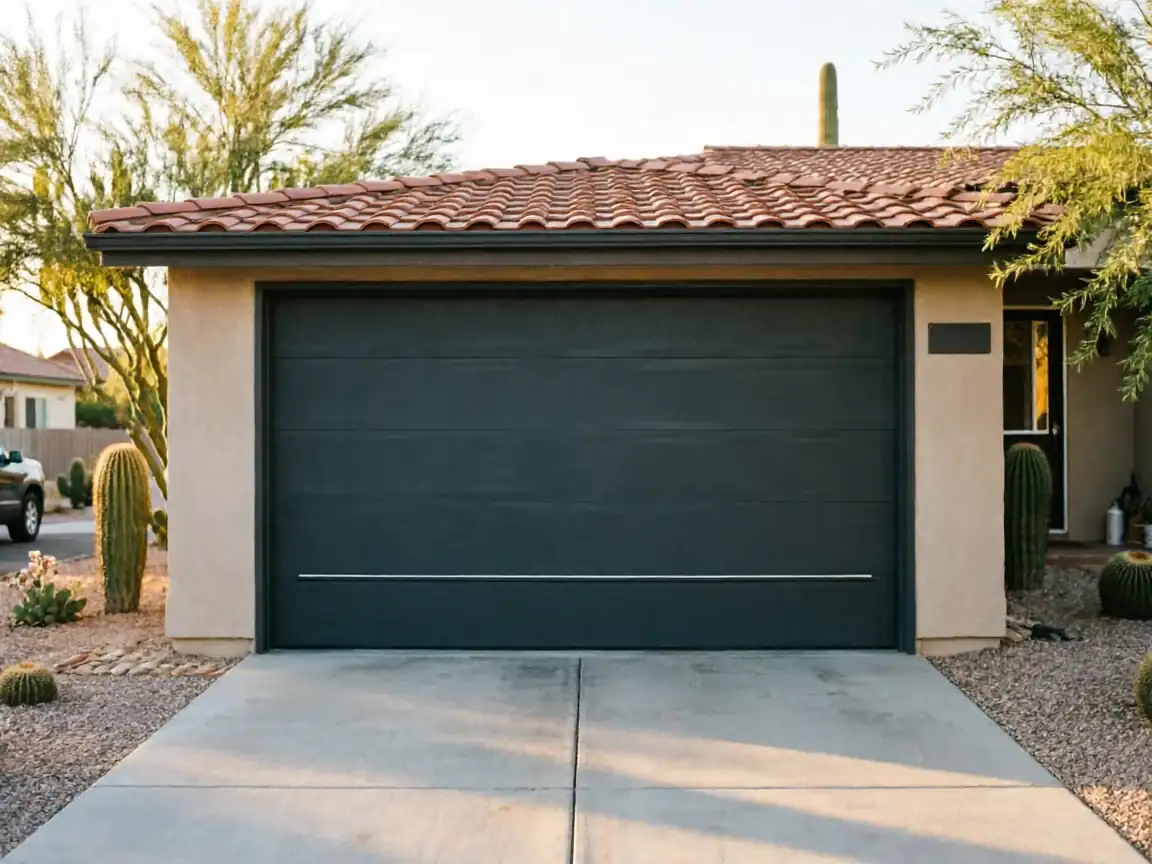
Household income here runs close to $113,301, noticeably higher than the roughly $61,177 median across the broader 271,542-household service area. That tends to show up in the door itself: more carriage-style steel doors, more insulated glass-panel inserts, and openers with smart features rather than the bare-bones models common in older, lower-cost housing stock. Repairs on these systems often cost more simply because the parts themselves cost more - a broken spring on a heavier insulated door takes a higher-rated spring to match it.
How Soon We Can Come Out
We run out of North Las Vegas
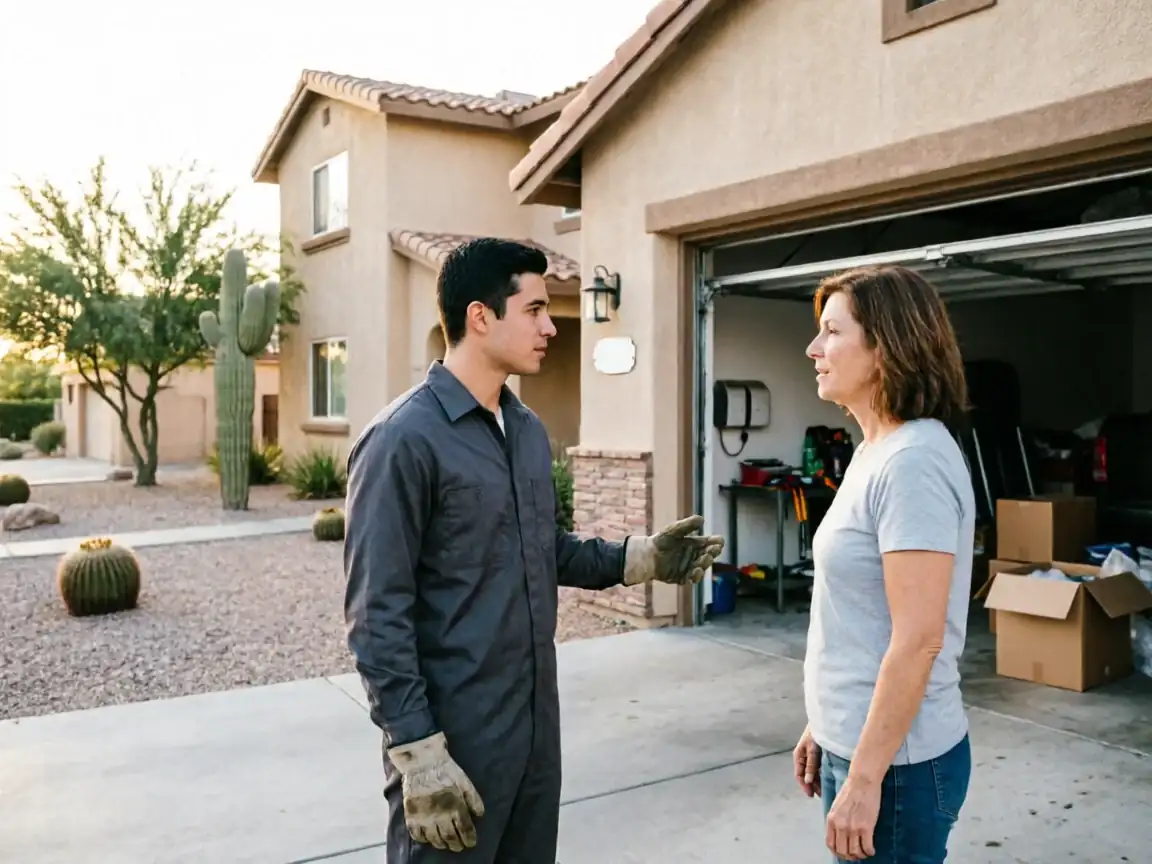
And Summerlin South is about 18 miles from there - the longest run among the areas we regularly cover. We won't promise a same-day window here the way we might closer to the shop; traffic on that stretch varies a lot depending on time of day, and we'd rather tell you that straight than guess at a time we can't hold. Call and we'll give you an honest estimate of when we can get a truck to you.
- 18 miles
One limitation worth naming
If your opener's logic board is a proprietary model tied to a smart-home system, we may need to order the specific board rather than carry it on the truck, which can add a day or two to that repair regardless of drive distance. For a straightforward spring or roller job, we're usually able to get it done in one visit once we're on site.