Stocked Parts
Most of the doors we get called out to in North Las Vegas were put in or replaced somewhere between 1979 and 2006
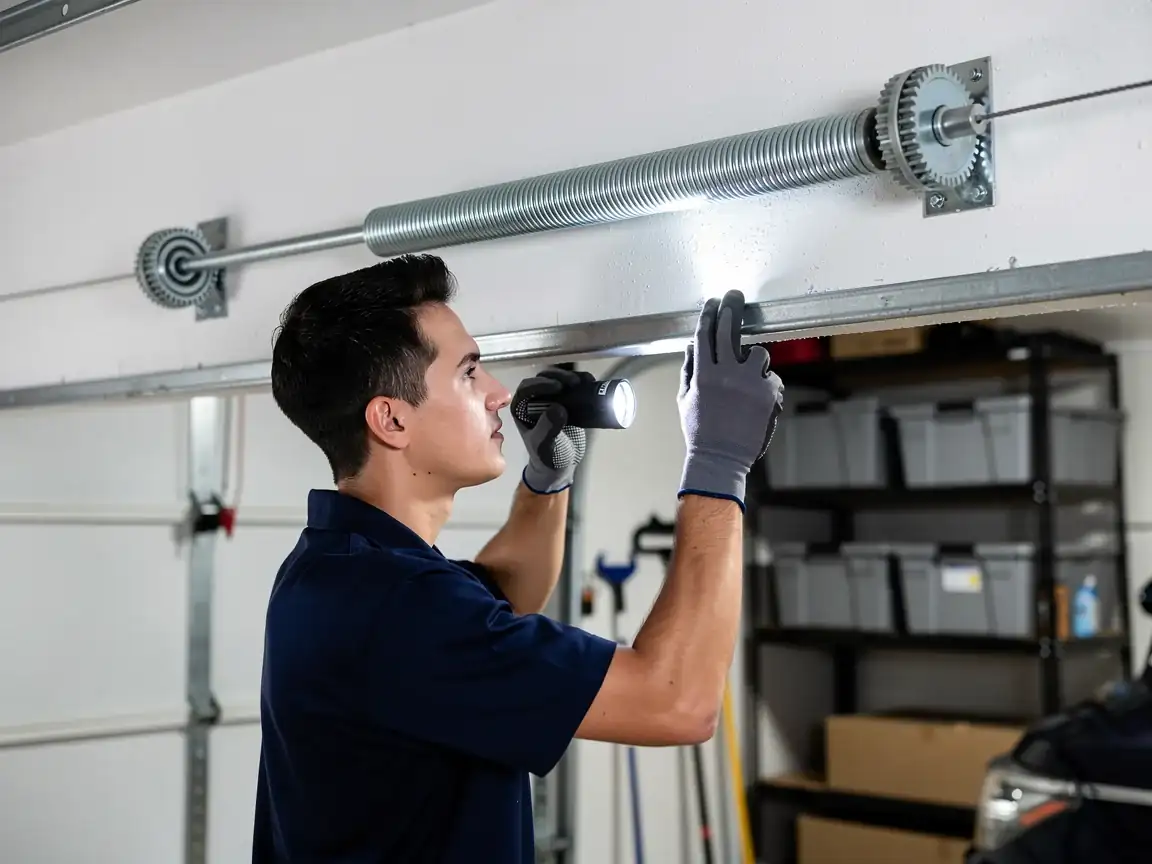
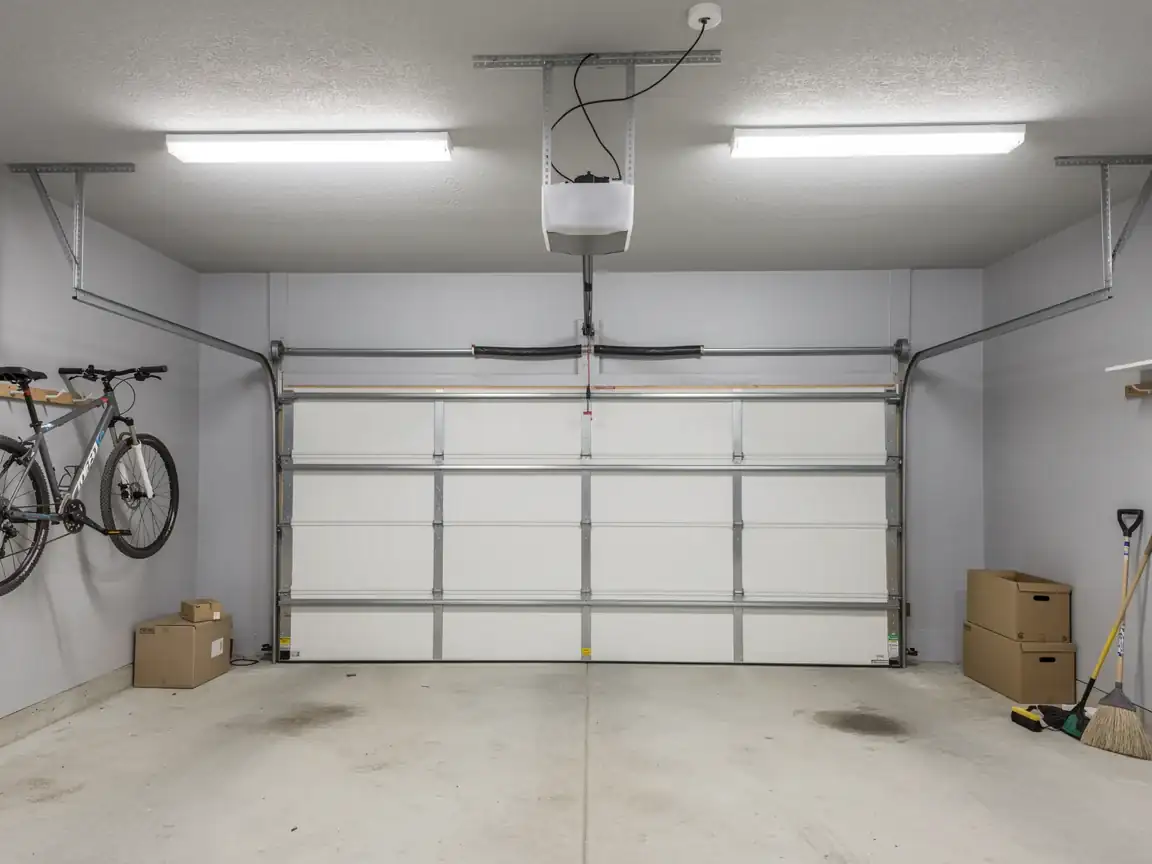
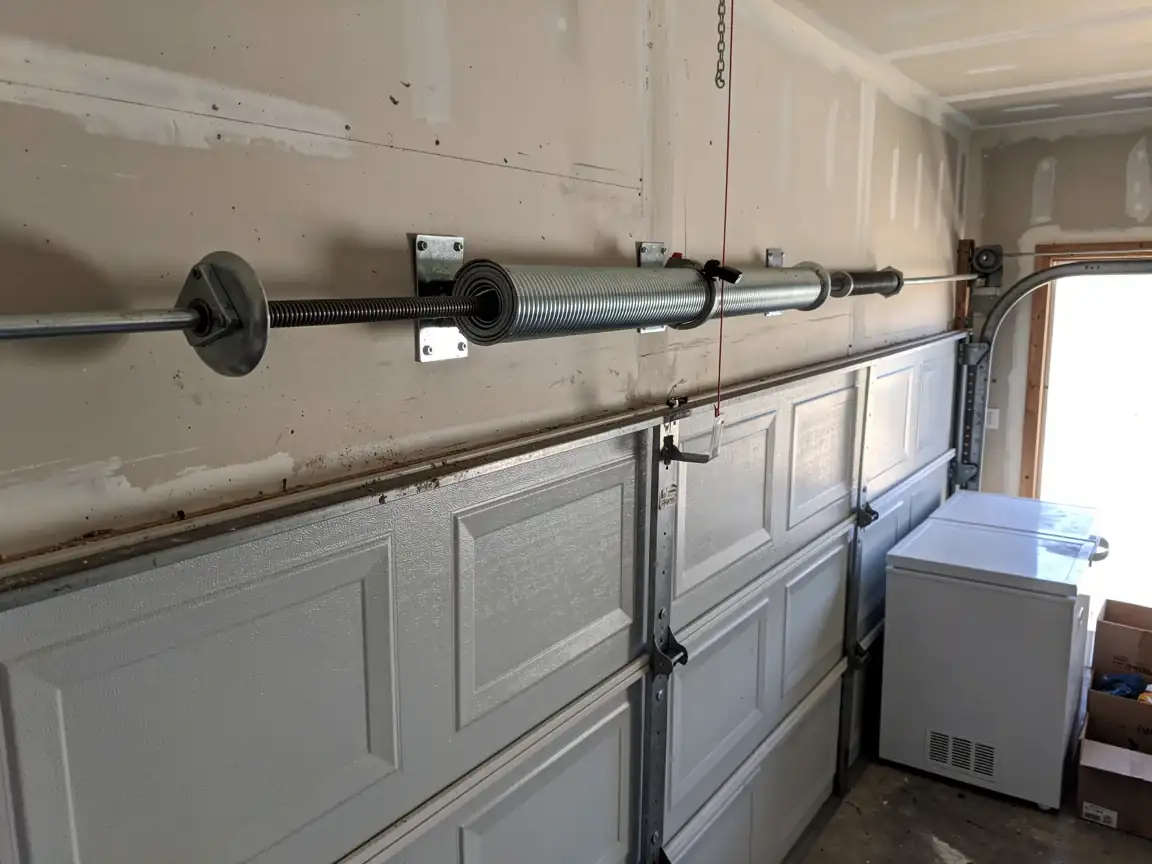
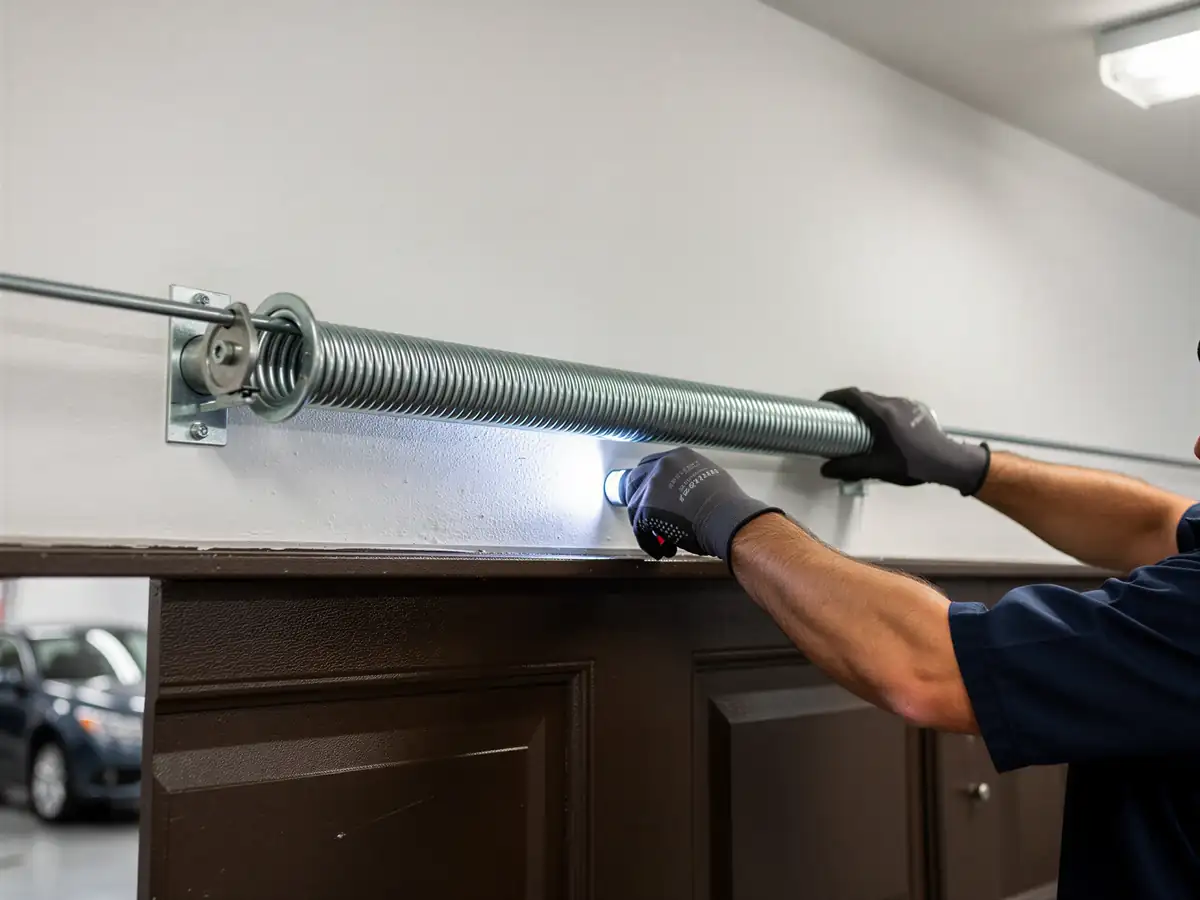
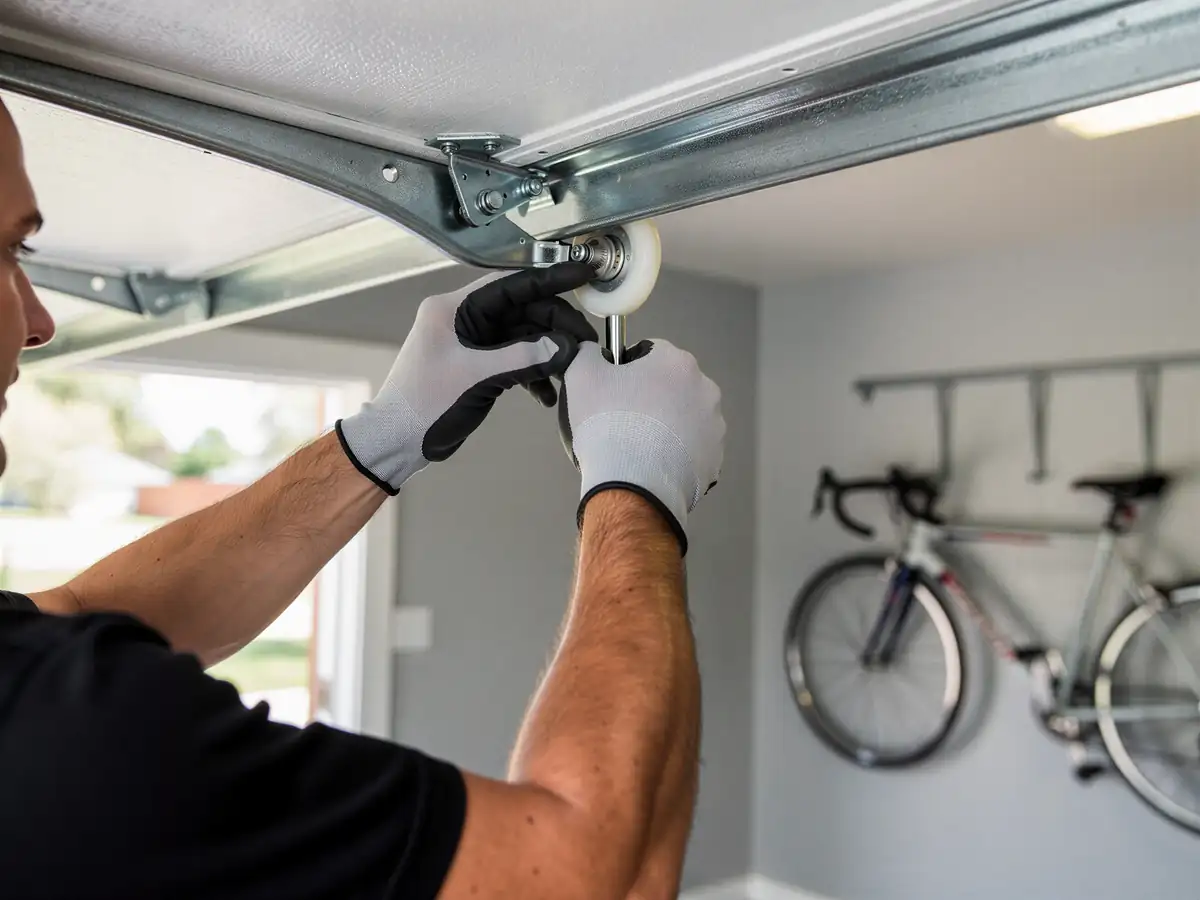
The median build year across the area sits at 1994. That matters for what's on the truck. Houses from that run came with a narrow band of standard door weights and torsion spring sizes, and openers from the same era used a handful of common drive types. We keep those spring sizes, the matching end bearing plates, and the nylon and steel rollers that fit that generation of track in stock, because that's what shows up on nine out of ten calls across Sunrise Manor, Winchester, Whitney, Paradise, Spring Valley, and Summerlin South.
What we don't stock
Parts for doors built before that window or odd European hardware nobody local installed. If your door is an outlier, we tell you up front instead of guessing at a fix with the wrong spring in hand, and we order the part rather than force a mismatch.
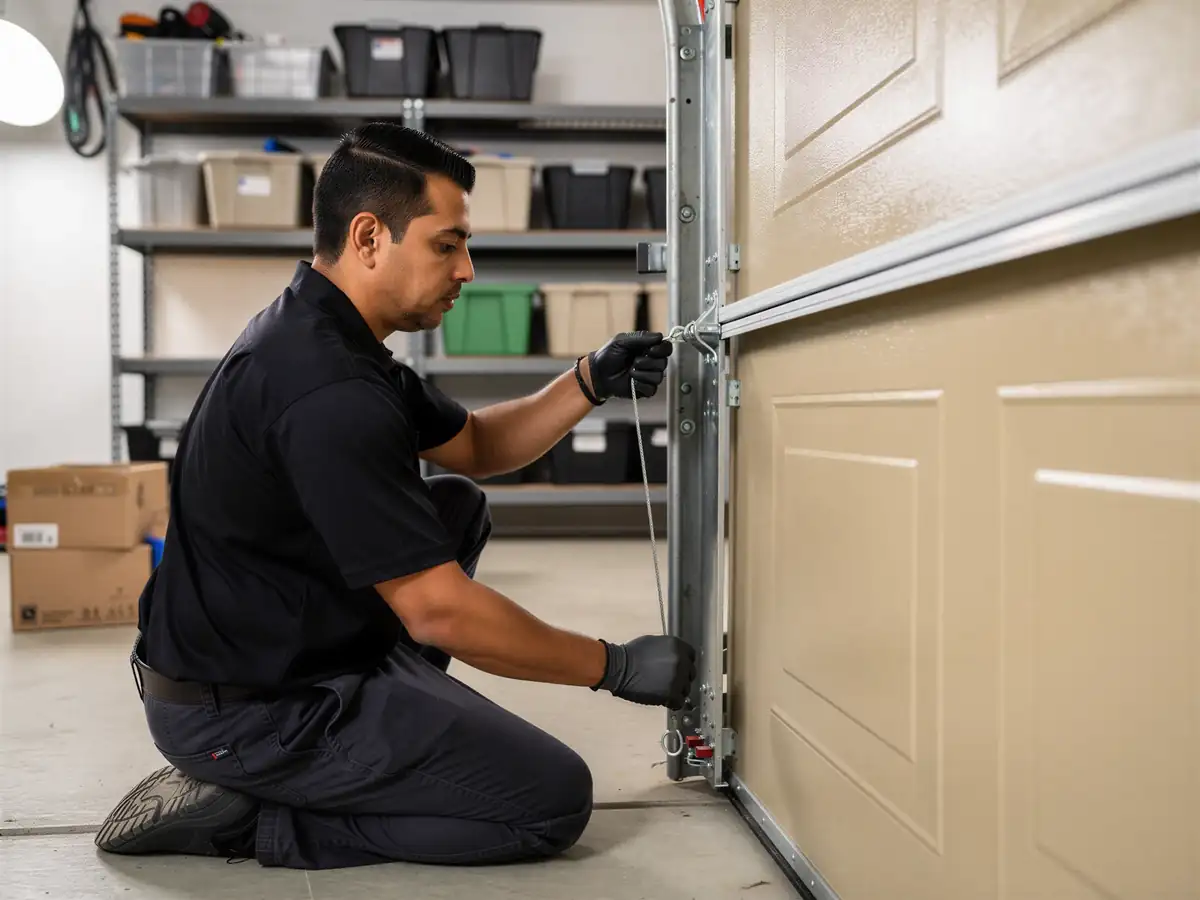
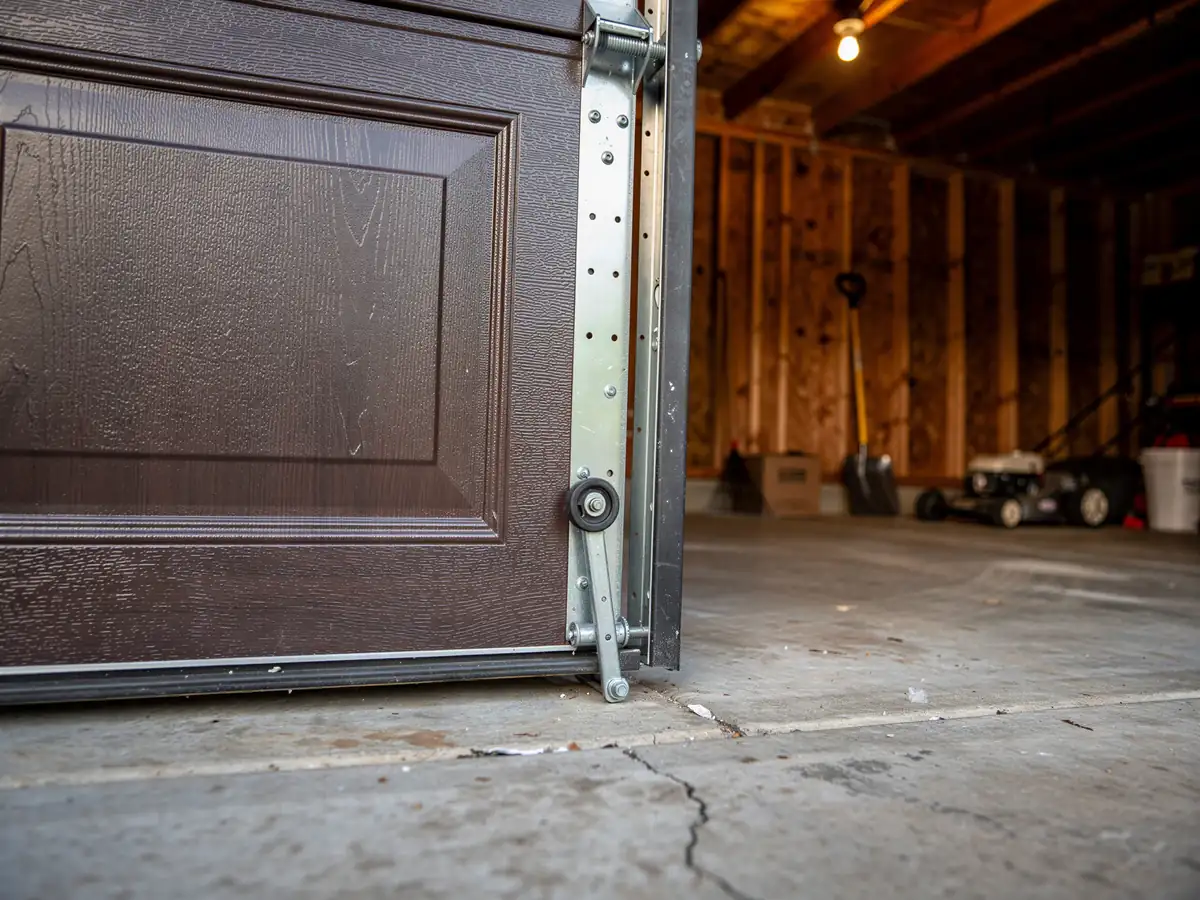
Cables, hinges, and bottom brackets round out the stock
Since those wear on a predictable cycle in houses this age regardless of which pocket of the valley they're in.
What You Pay
We don't post a flat number here because the spring size, the opener drive type, and whether the track is bent or just misaligned all change the job. What we can tell you is how the local housing stock affects the bill: 1980s and 90s construction is consistent enough that most repairs use parts we already carry, which keeps the visit to one trip instead of two. A household earning the area's median income of $61,177 is usually weighing a repair against a new opener, and for a door from that build era, repair is almost always the cheaper and faster path - the hardware is still made to fit.
Where it gets more expensive is when the heat has already taken out more than one part at once, which we cover next. A spring and a worn opener capacitor failing in the same week isn't rare here, and that's two line items instead of one. We'll always tell you which parts are worth fixing and which aren't before we start, not after.
The Symptom
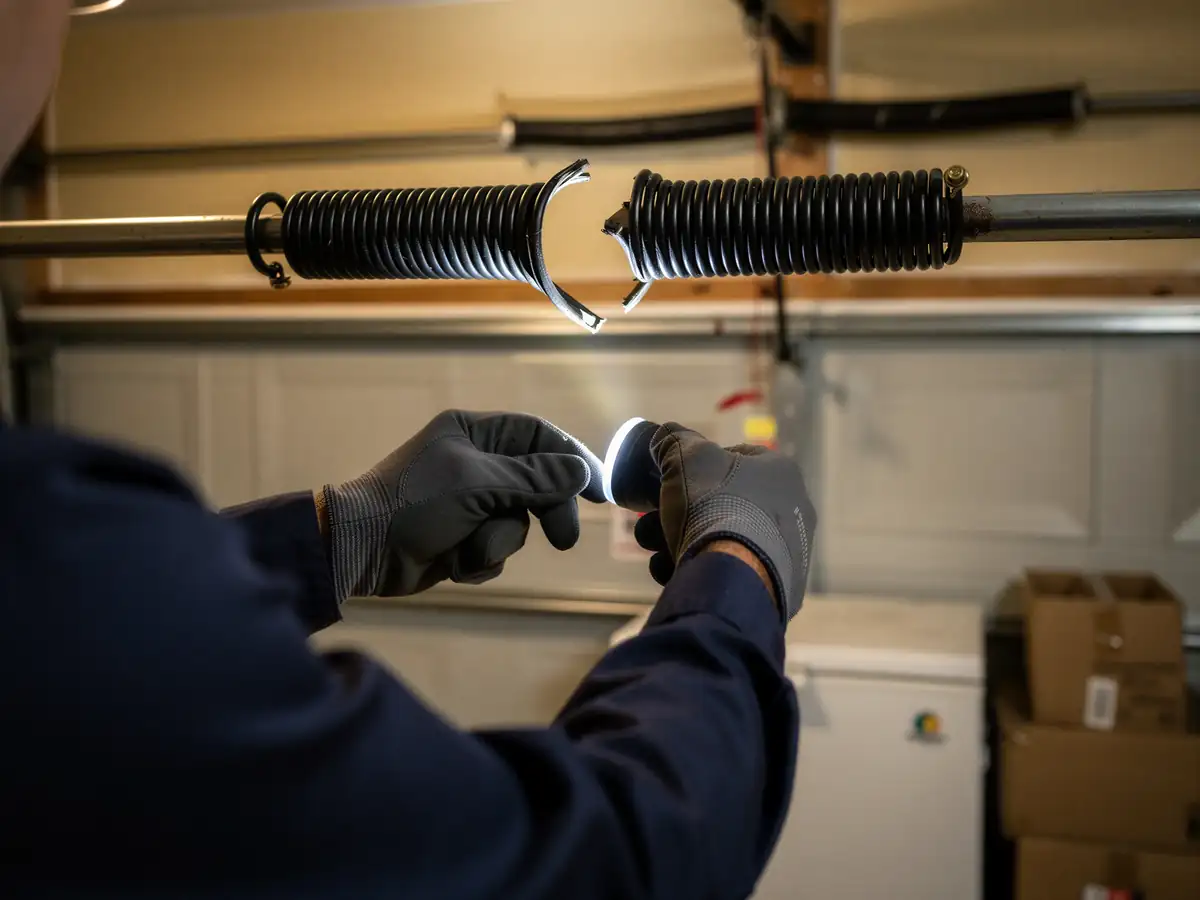
The call we get most across this service area: door reverses halfway up, or won't open past a foot before the opener strains and quits. Homeowners usually assume the opener motor is dying. Most of the time it's the torsion spring losing its wind, and the opener is just doing the extra work the spring stopped doing.
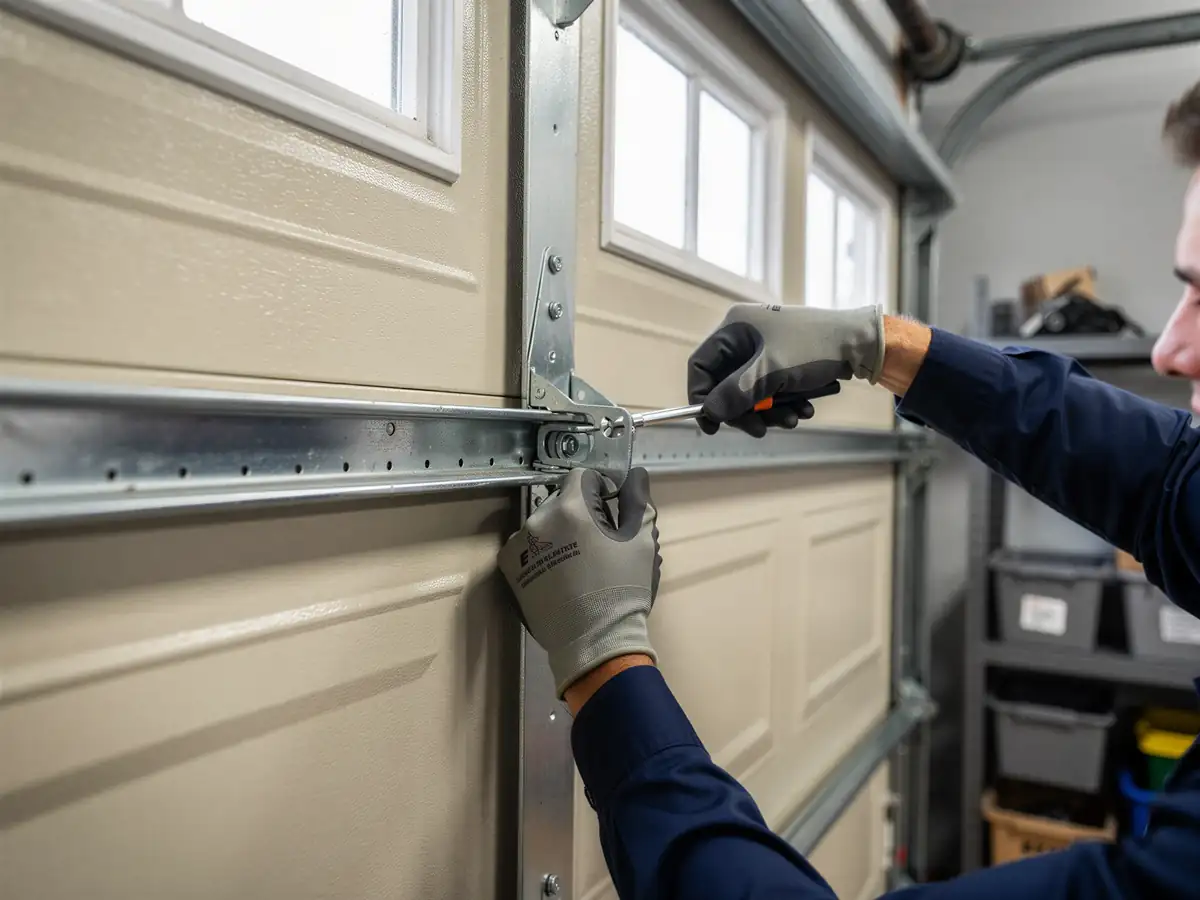
Second most common: a door that's fine in the morning and binds by mid-afternoon. That's track expansion or a roller that's gone brittle, not the opener logic board people blame.
We see both patterns across Sunrise Manor, Winchester, Whitney, Paradise, Spring Valley, and Summerlin South often enough that we don't need to inspect long before we know which one we're looking at. The honest limitation here: if the spring has already snapped and the door is sitting on the track unsupported, that's not a same-visit parts swap if it's an odd size - we'll secure the door safely and come back with the right spring rather than force a wrong-fit part onto a loaded system.
What Causes It Around Here
North Las Vegas sits in a severe heat band
And that's the real driver behind both symptoms above. Steel doors built in the 1979-2006 window typically used lighter-gauge panels and single-layer insulation by today's standard, so a west-facing door takes on a lot of heat soak through the afternoon. Steel expands, the track geometry shifts by a fraction, and a roller that was already worn starts binding instead of sliding.
Heat does the same thing to torsion springs, just slower
Repeated heat-cool cycling breaks down the lubricant on the coil faster than it would in a milder climate, so springs rated for a certain cycle count hit fatigue earlier here than the rating assumes. Combine that with housing stock that's now 20 to 45 years old across the 70,779 owner-occupied houses we're talking about in this service area, and the spring most of these doors are running on is well past the point where failure is a surprise.
- 45 years
- 70,779 owner-occupied
It's not a defect in the door
It's the climate working on hardware that was never rated with this heat band in mind.