Stocked Parts
Most of the doors we get called on in this service area were installed between 1979 and 2006
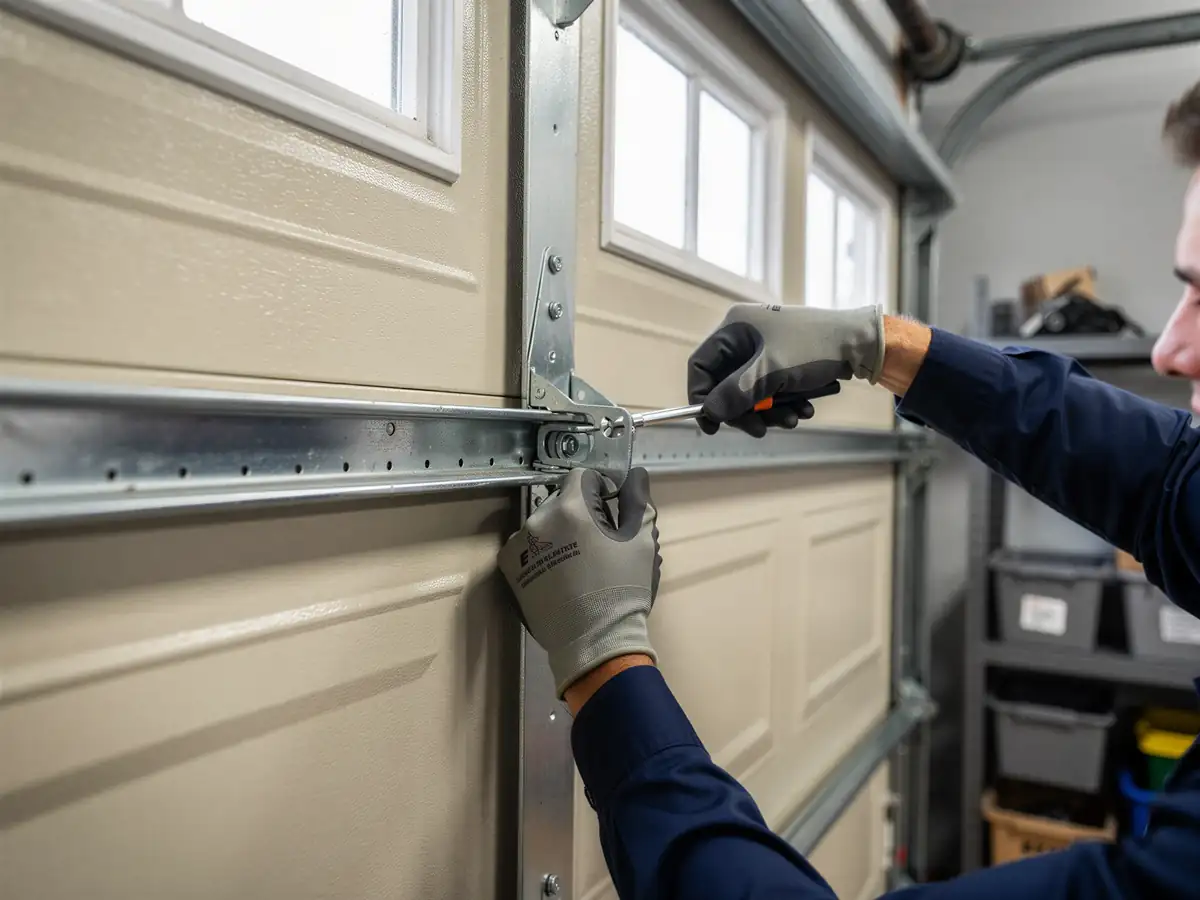
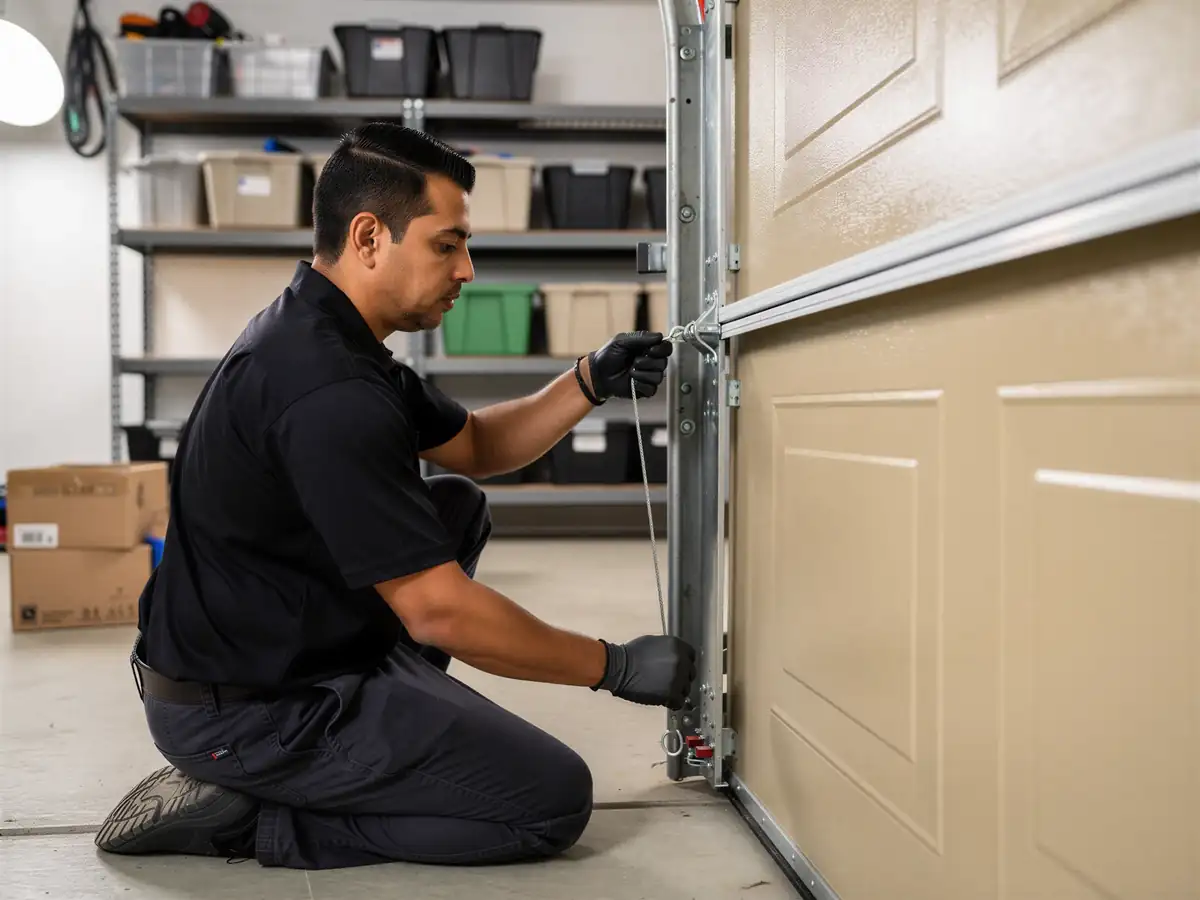
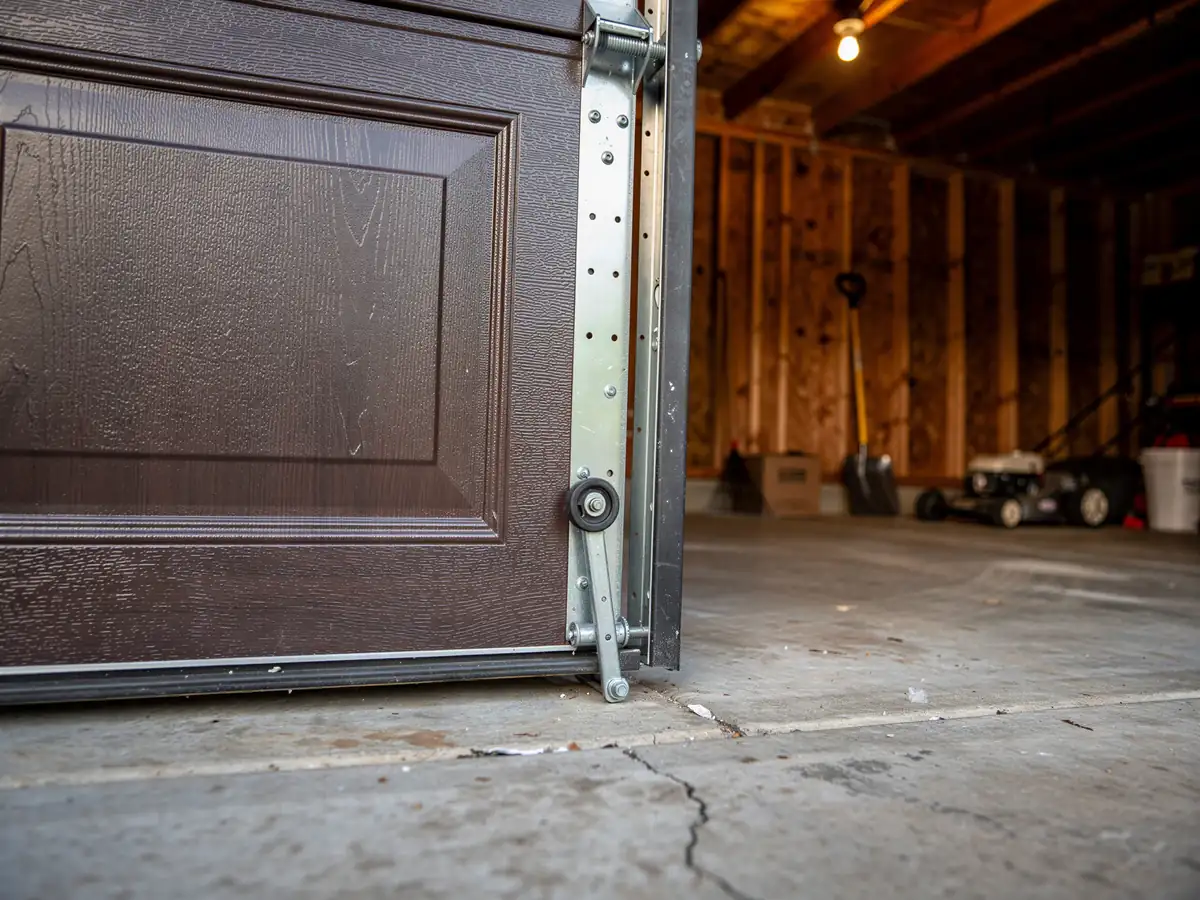
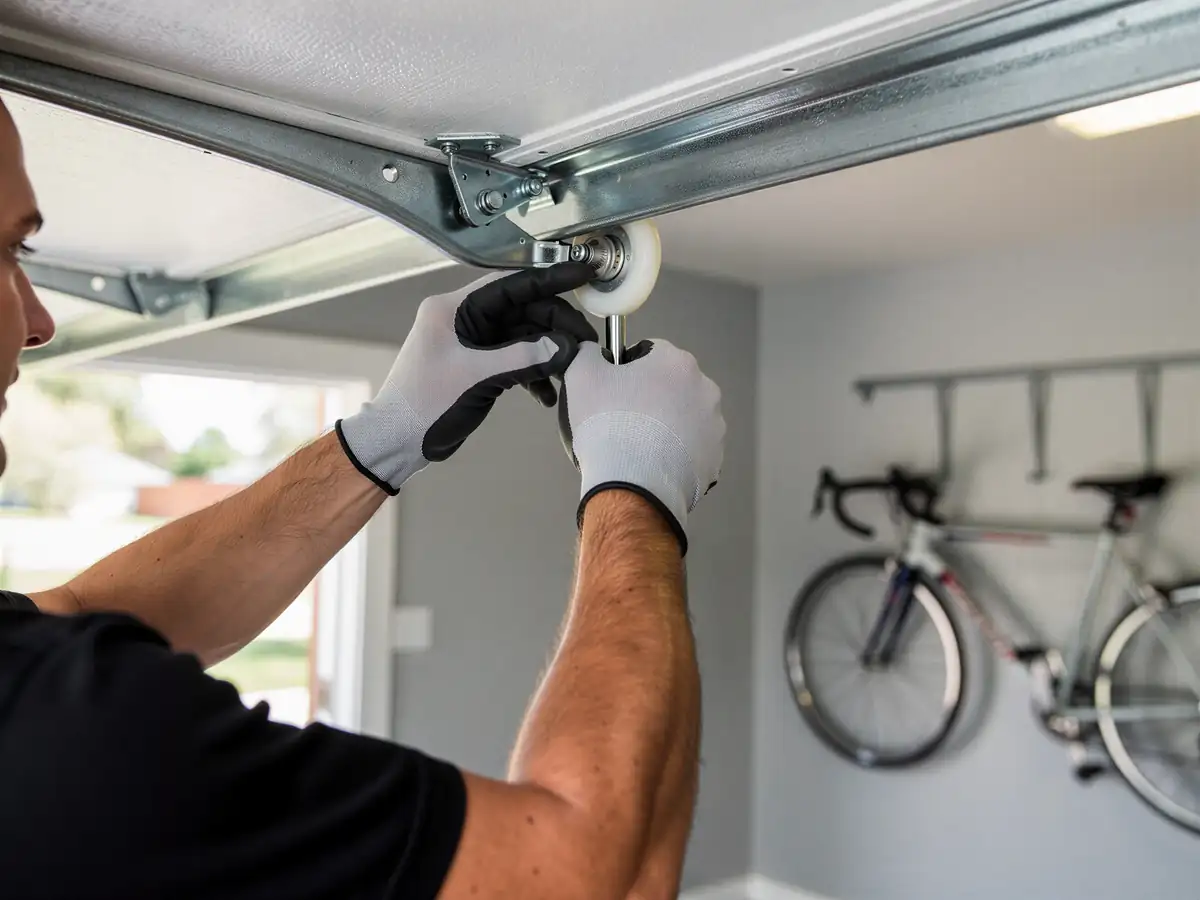
And a big chunk of that stock is 1980s and 90s builds across the six areas we cover - Sunrise Manor, Winchester, Whitney, Paradise, Spring Valley, and Summerlin South. That means the roller stems, shafts, and bracket spacing fall into a narrow range of sizes, and we keep the common ones on the truck: 7-ball and 10-ball steel rollers, sealed nylon rollers in the stem lengths that match that era's track gauge, and the stamped brackets that crack before the roller itself does. We don't stock every roller made - some older doors have been retrofitted with odd hardware over the years, and if yours is one of those, we may need to order a part, which pushes the job out a day or two. On a standard double door with the usual 4-inch stem rollers, we're rolling with what's already in the van.
Nylon over steel is the call on most jobs now, not because steel is bad
But because nylon doesn't need the lubrication steel does and it runs quieter on tracks that have already seen a couple decades of dust.
What You Pay
We don't post a flat number here because roller count, roller type, and whether a track is bent or just worn change the job. A full set of nylon rollers on a double door costs more up front than steel, but they don't need the periodic lube steel rollers do, which matters in a climate where oil on a track turns into a dust trap fast. If a track is also bent or a bracket is cracked, that's additional work beyond rollers alone, and we'll tell you before we start, not after. One honest limitation: if your door is original to a 1980s build and the track itself is worn out of spec, replacing rollers alone won't fix the noise - at that point you're looking at a track swap too, and we'll say so rather than sell you rollers that won't solve it.
The Symptom
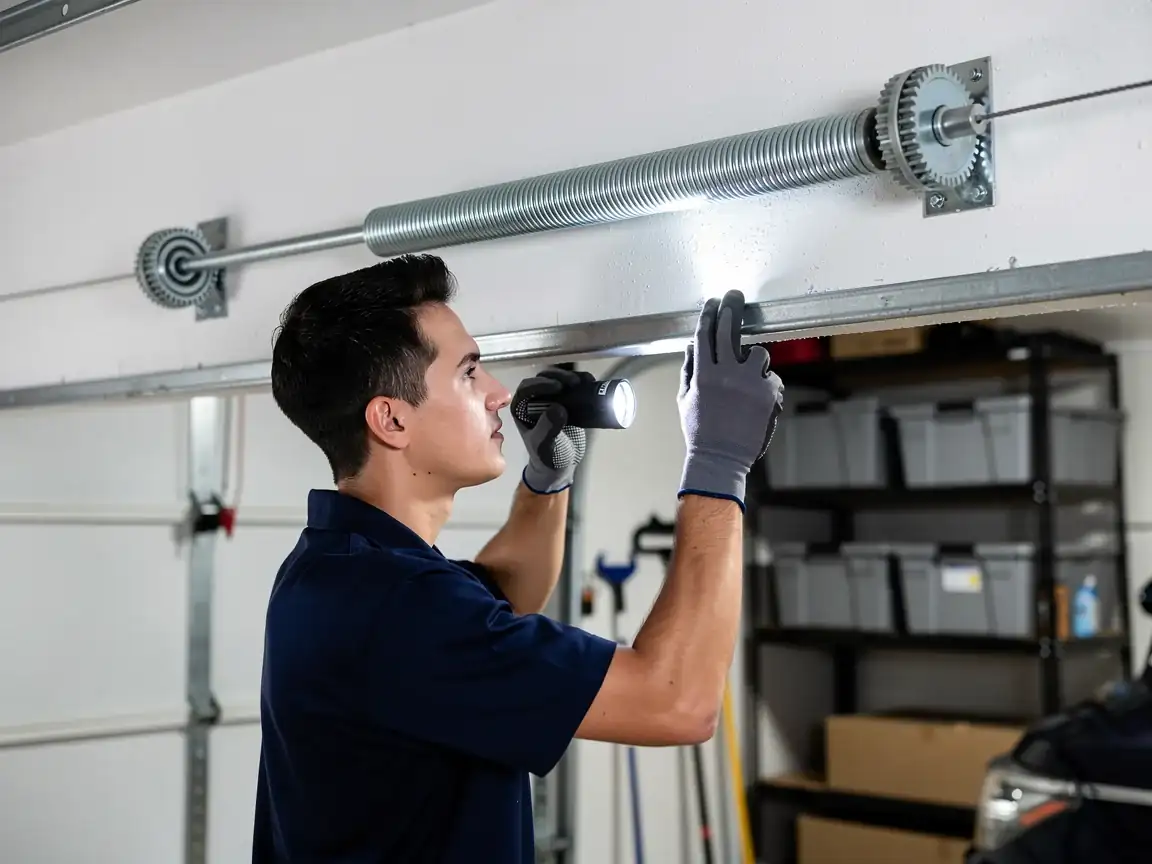
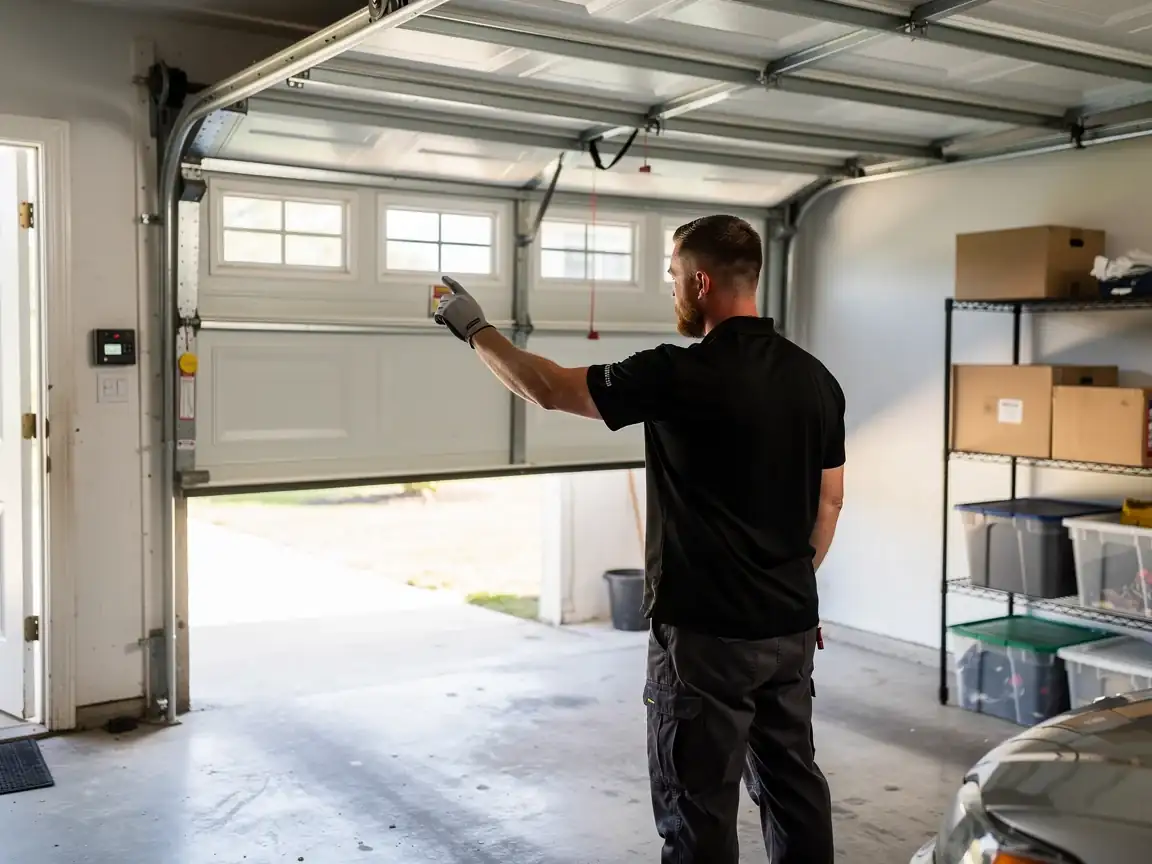
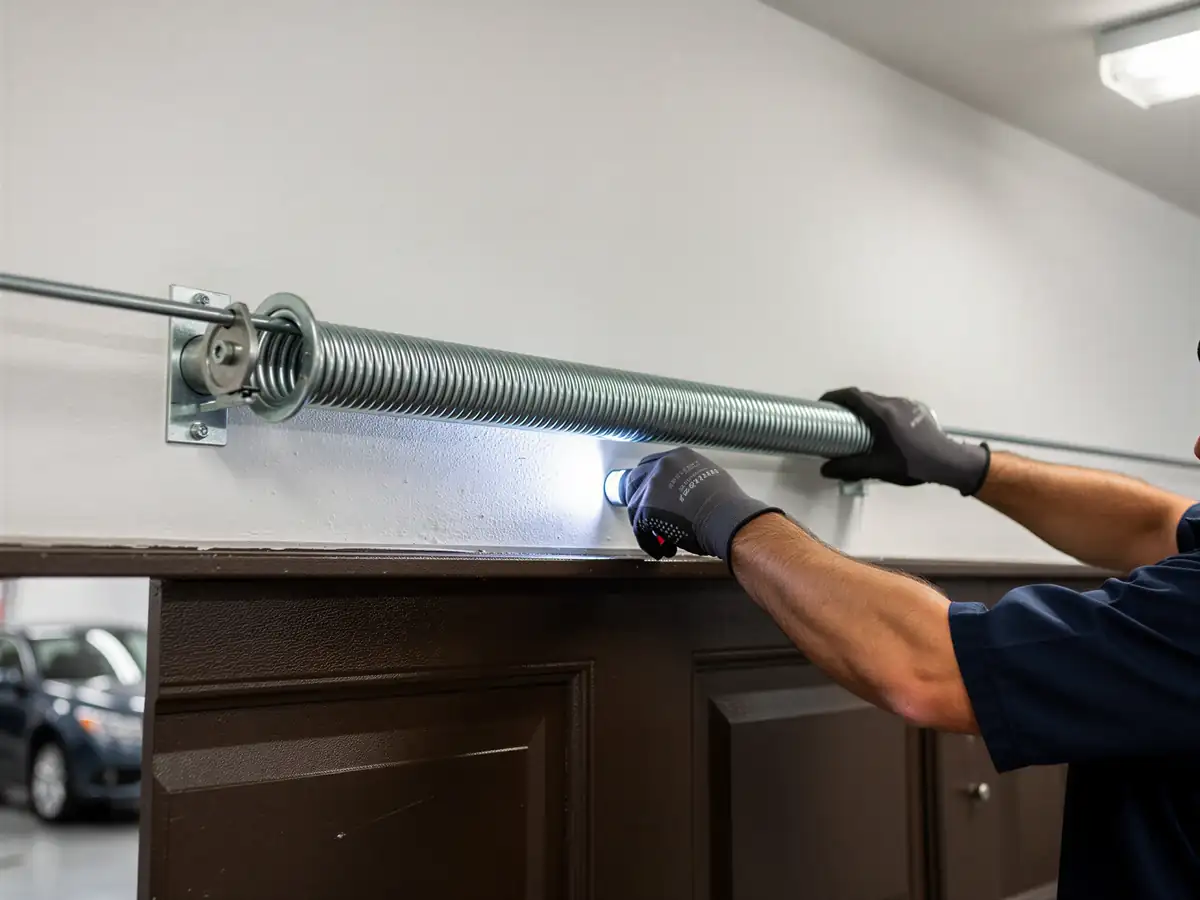
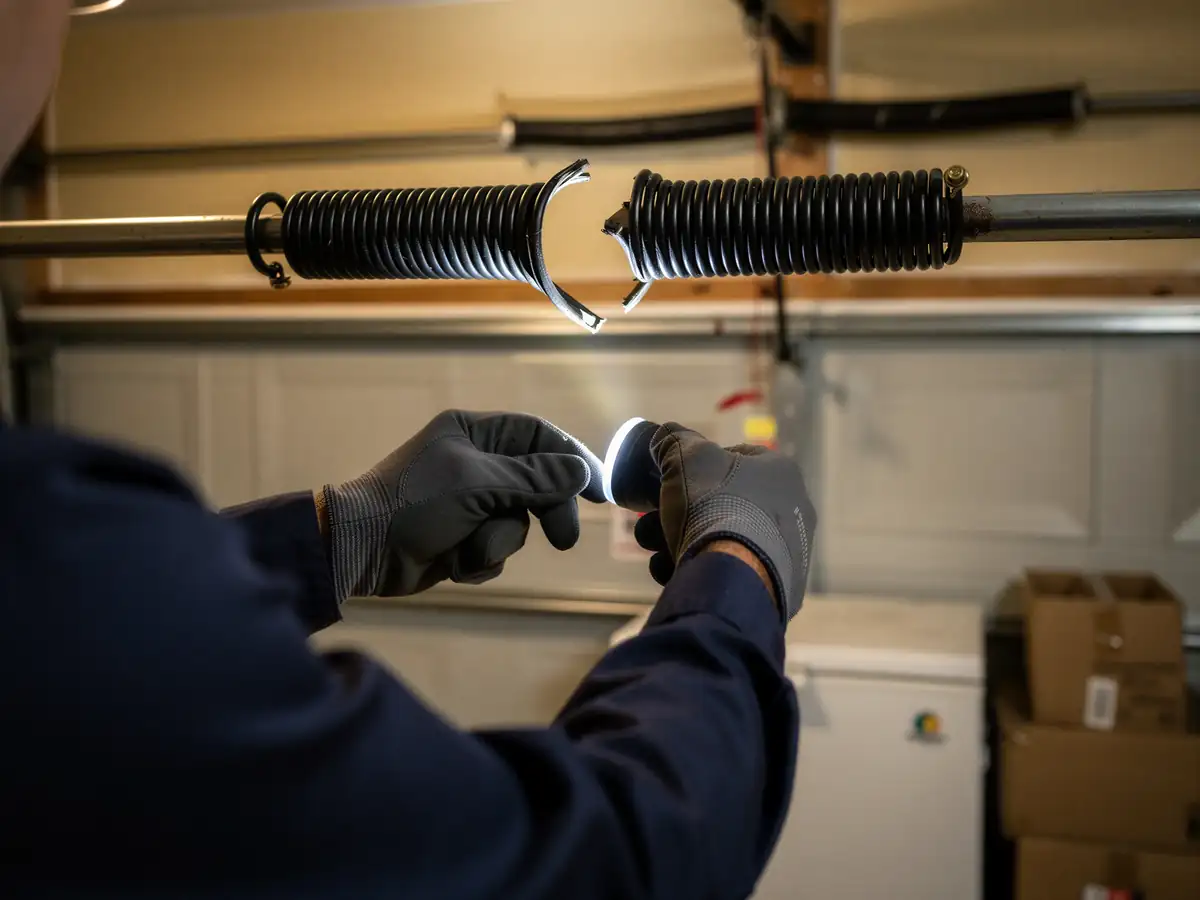
The complaint sounds the same almost every time: a grinding or rattling noise when the door goes up or down, worse at the top or bottom of the travel, sometimes with the door catching or jerking instead of moving smooth. Open the garage and look at the rollers while someone runs the door - if you see flat spots, cracked nylon, or a roller that's wobbling loose in its bracket, that's your answer. Steel rollers that have gone this long without lubrication often show rust pitting on the ball bearings inside the roller stem, which is what causes the grinding more than the roller surface itself. If the noise is a single loud bang followed by the door not moving at all, that's not a roller - that's a spring, and it's a different call.