What That Means for Doors
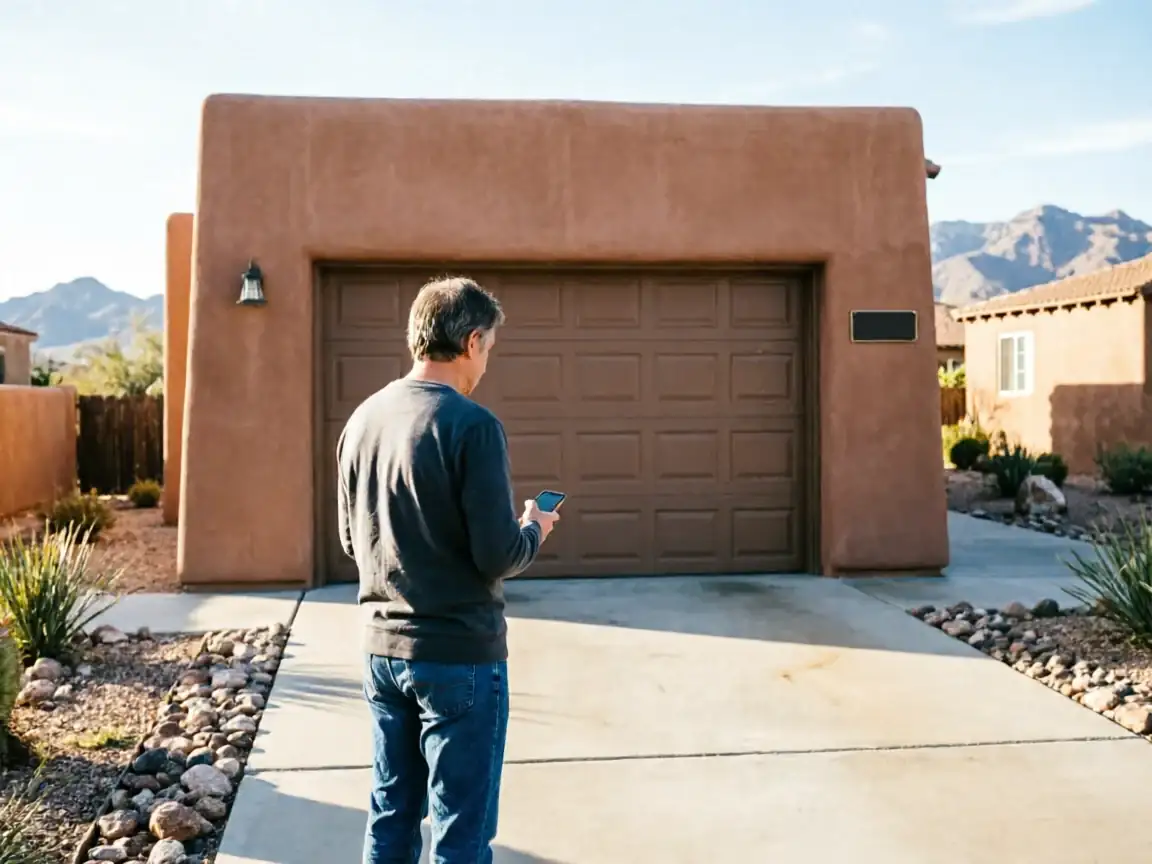
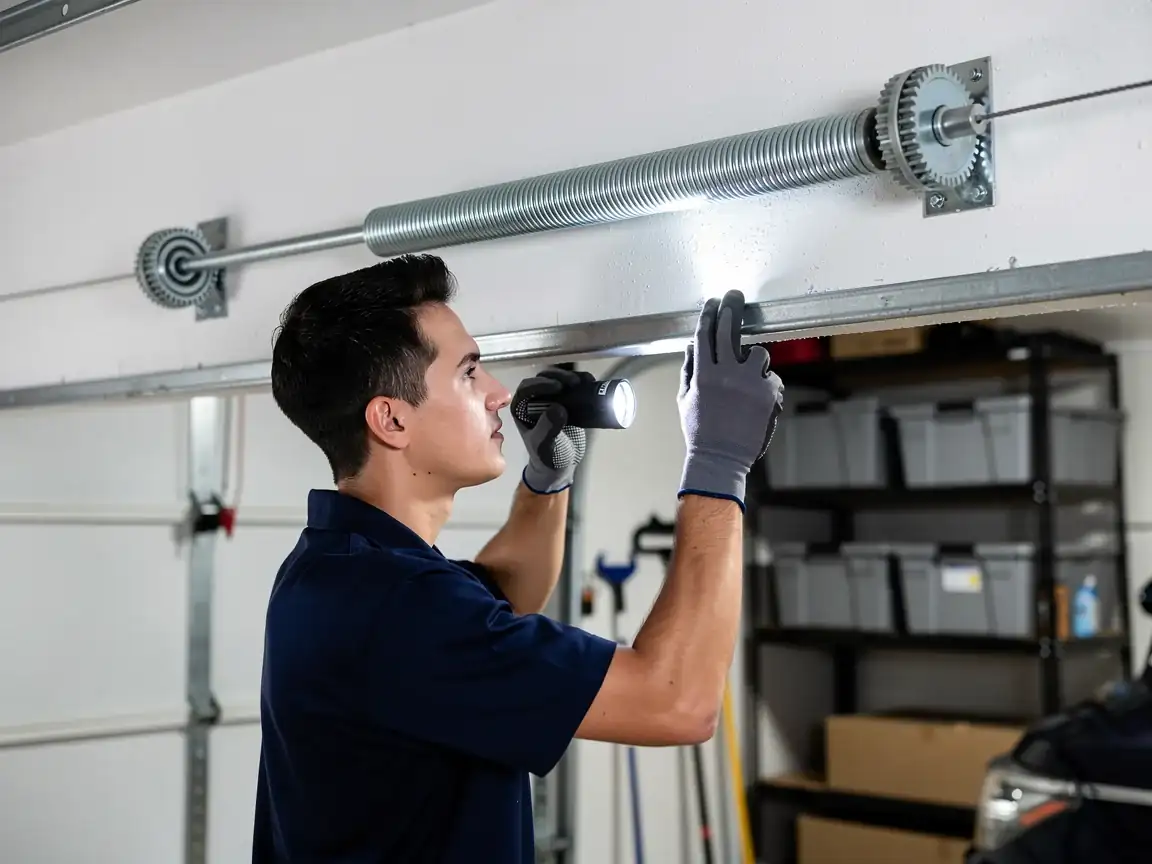
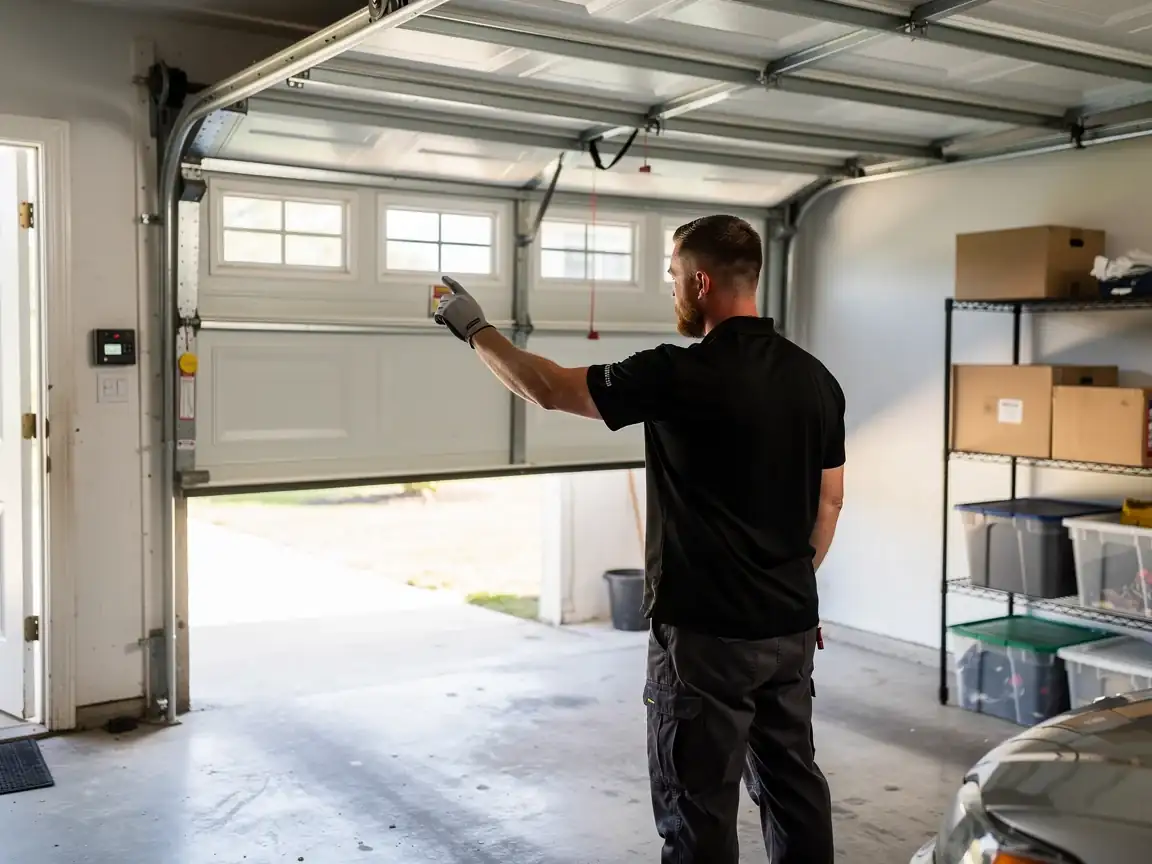
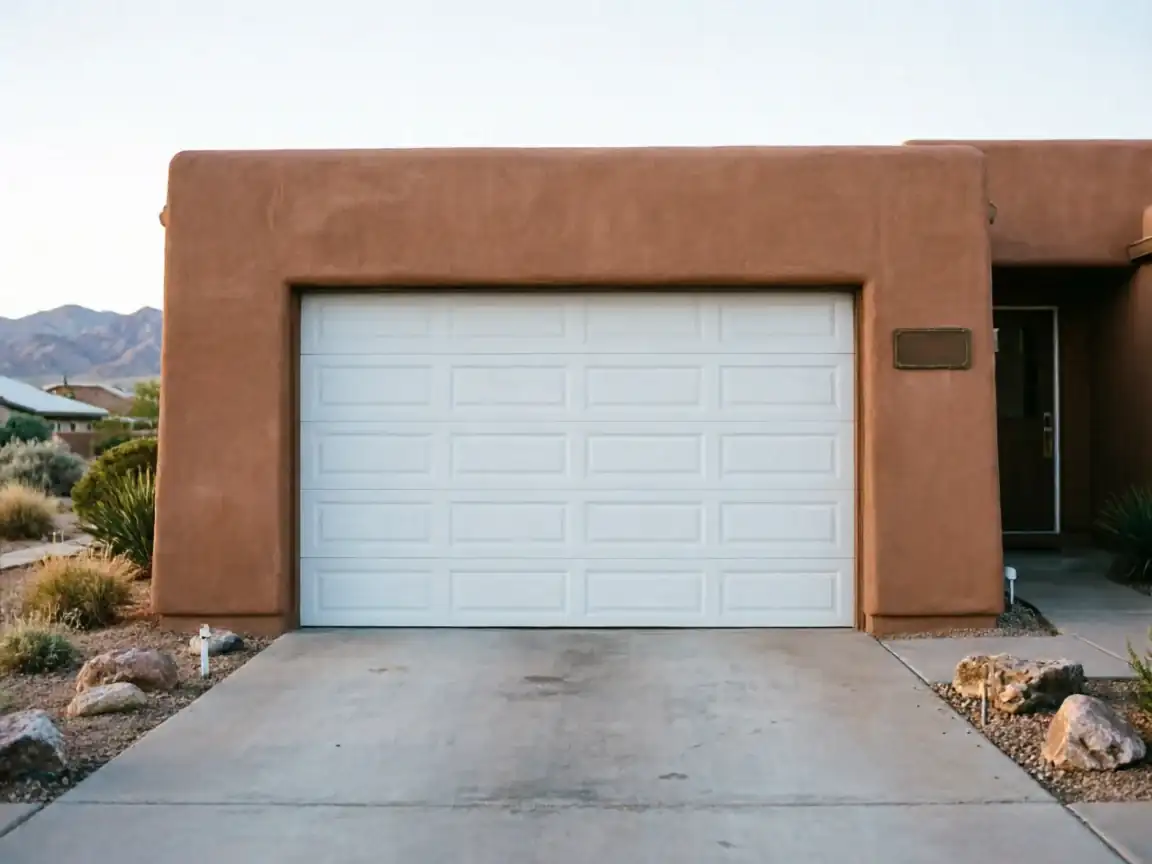
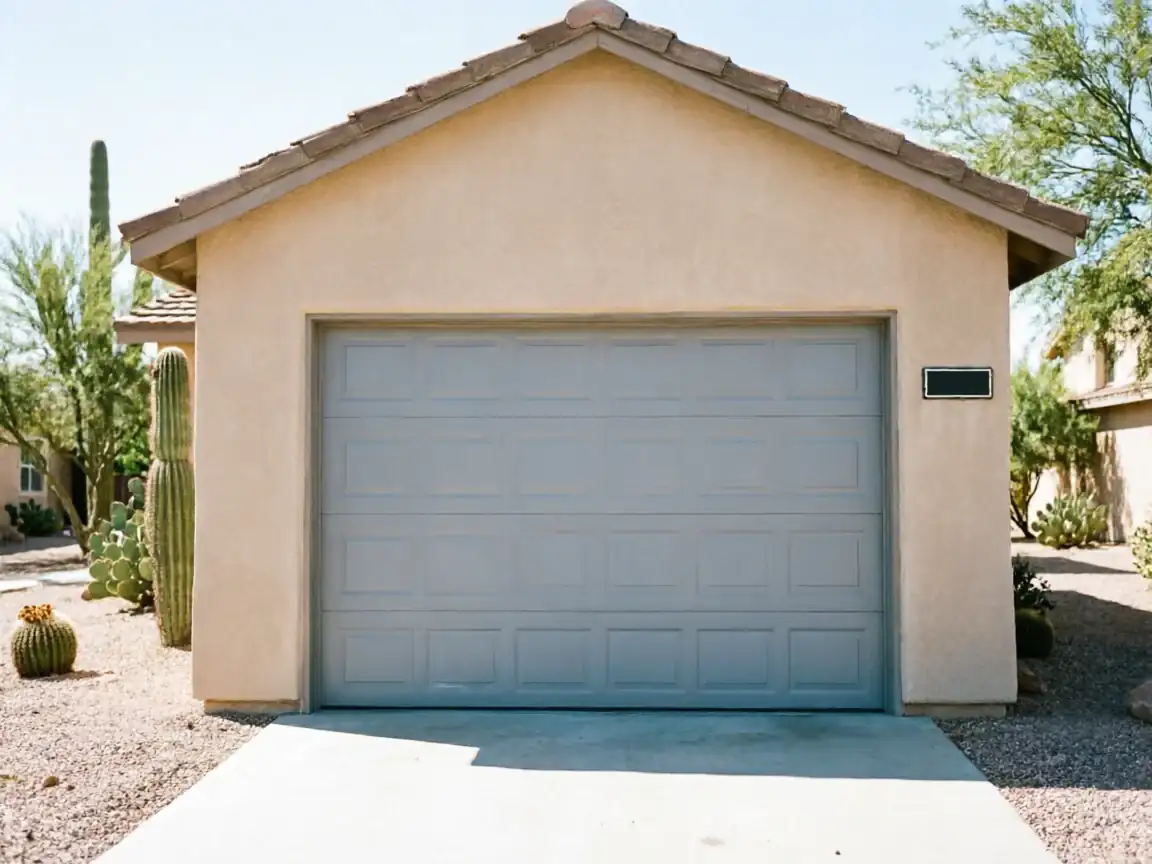
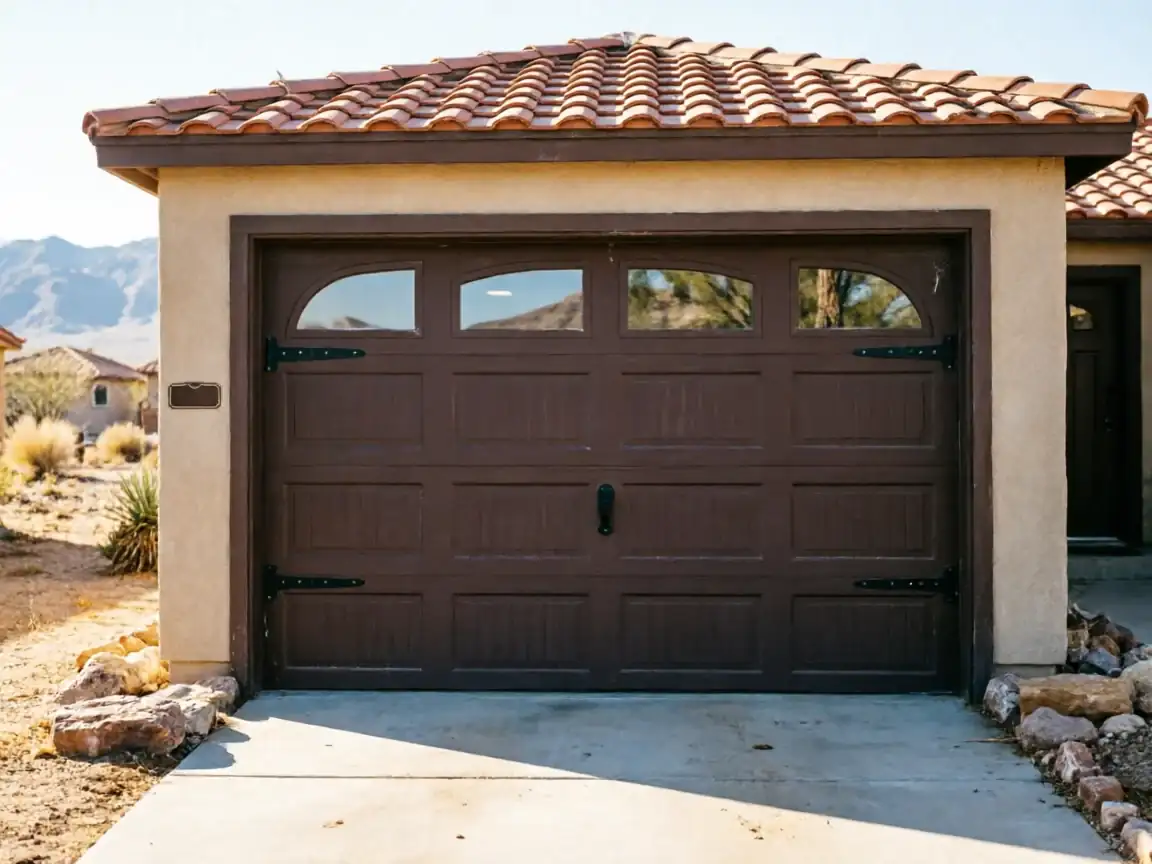
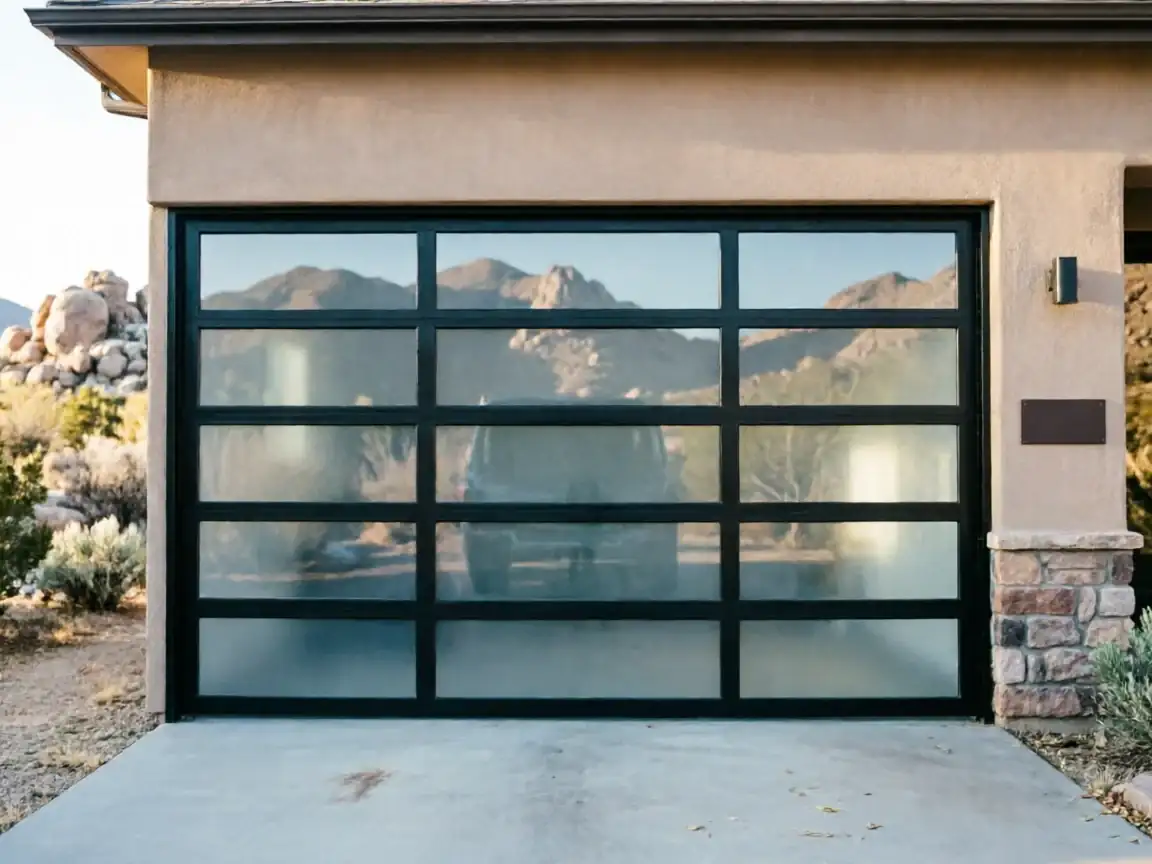
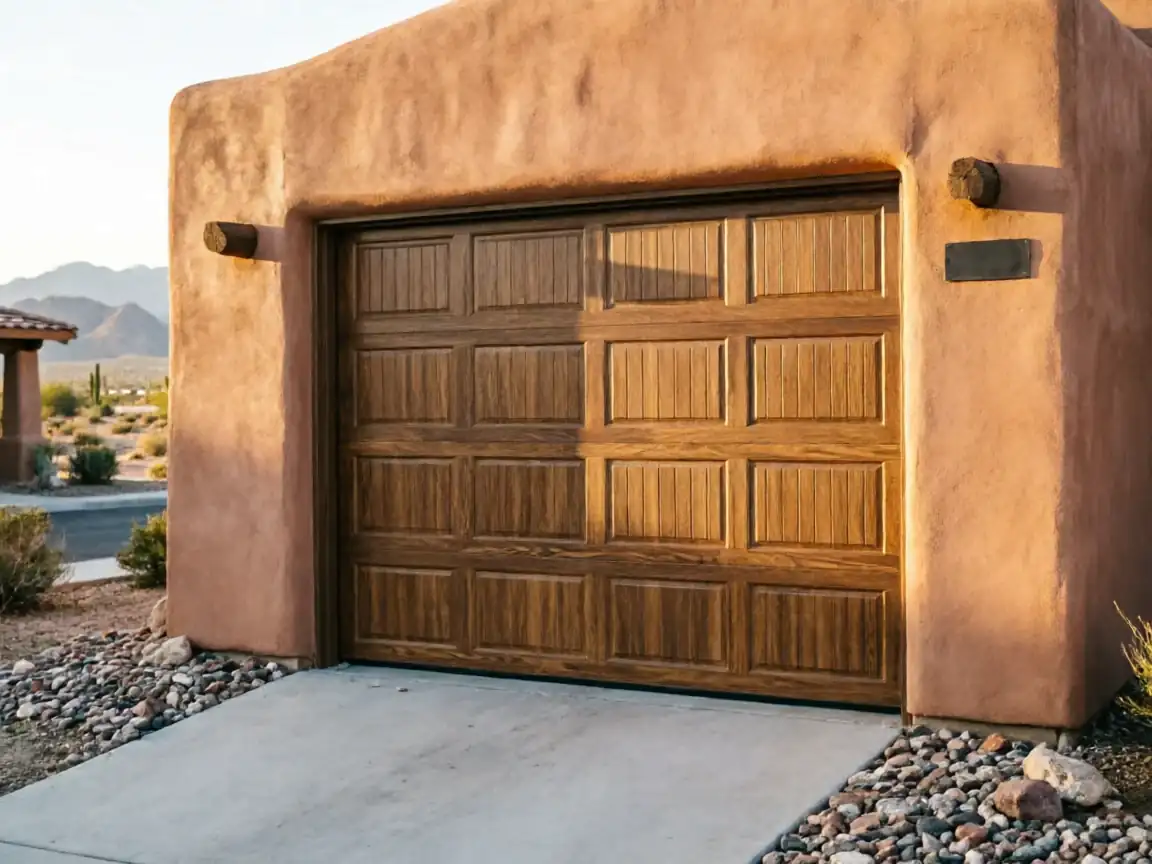
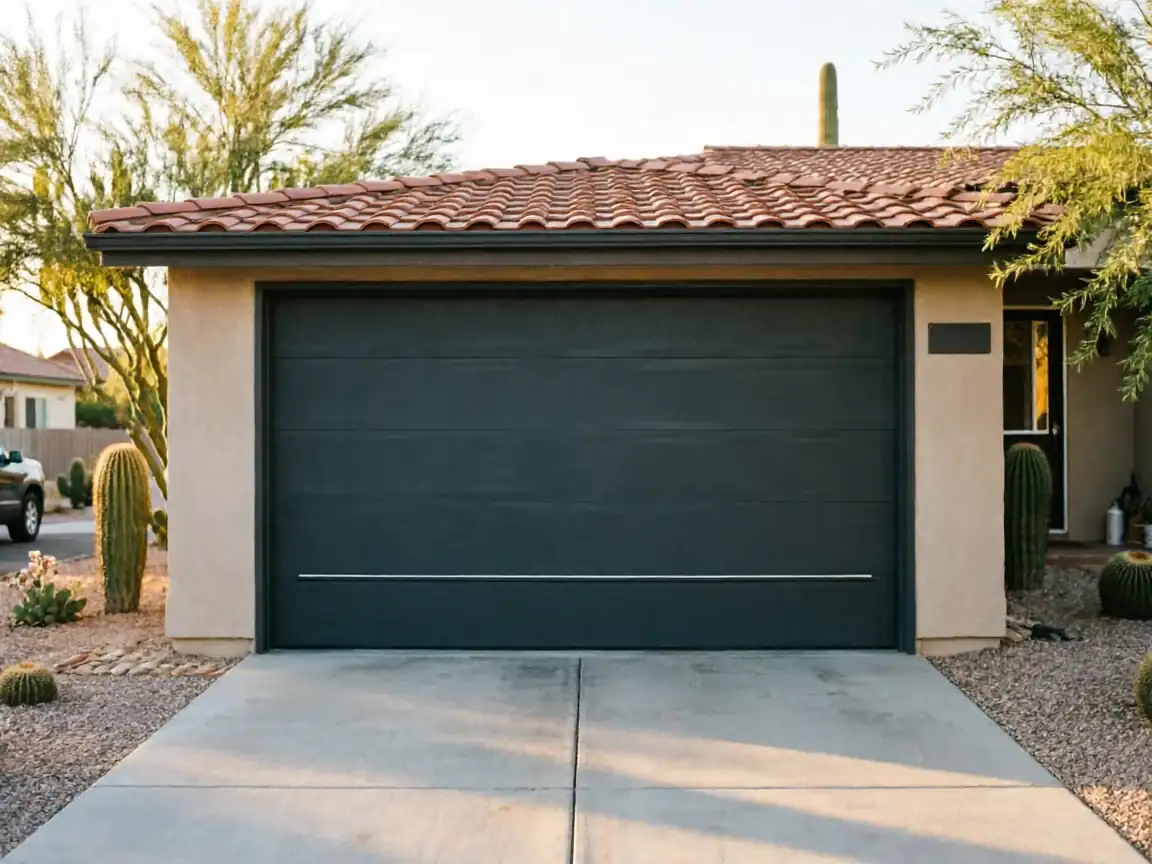
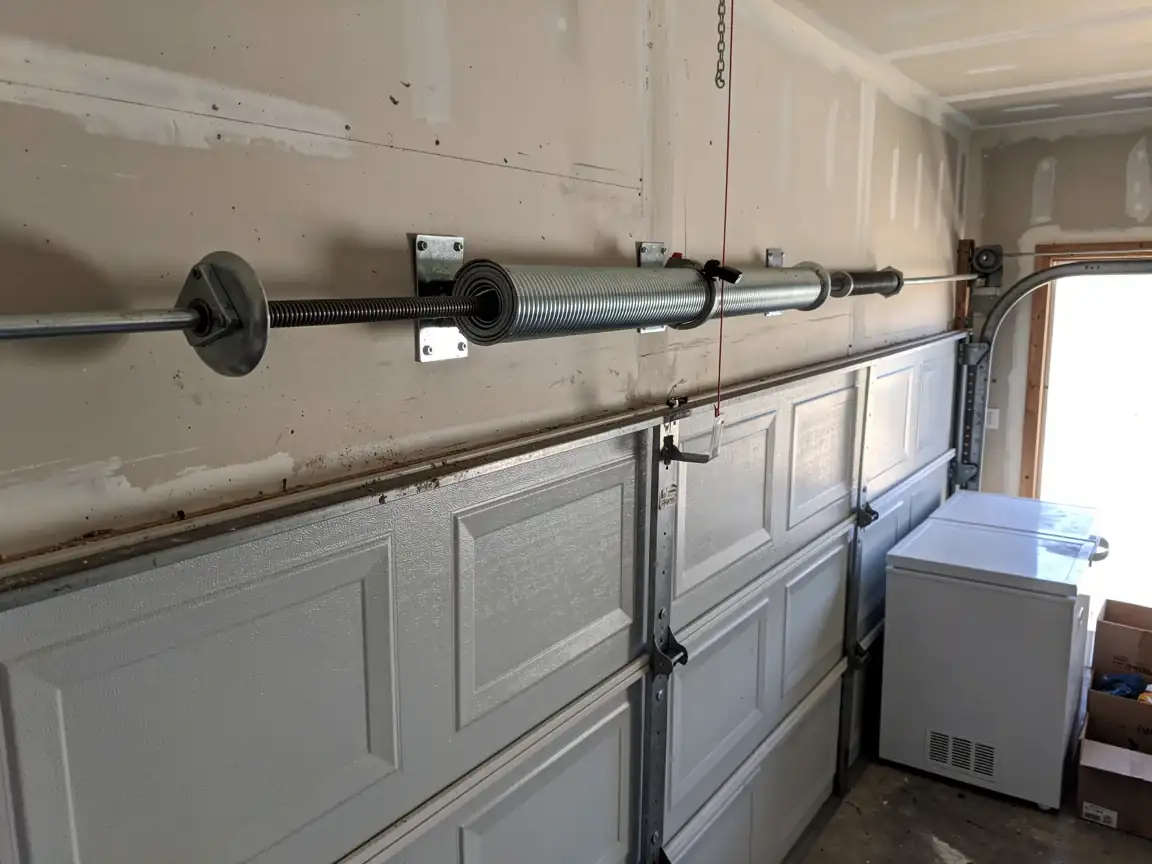
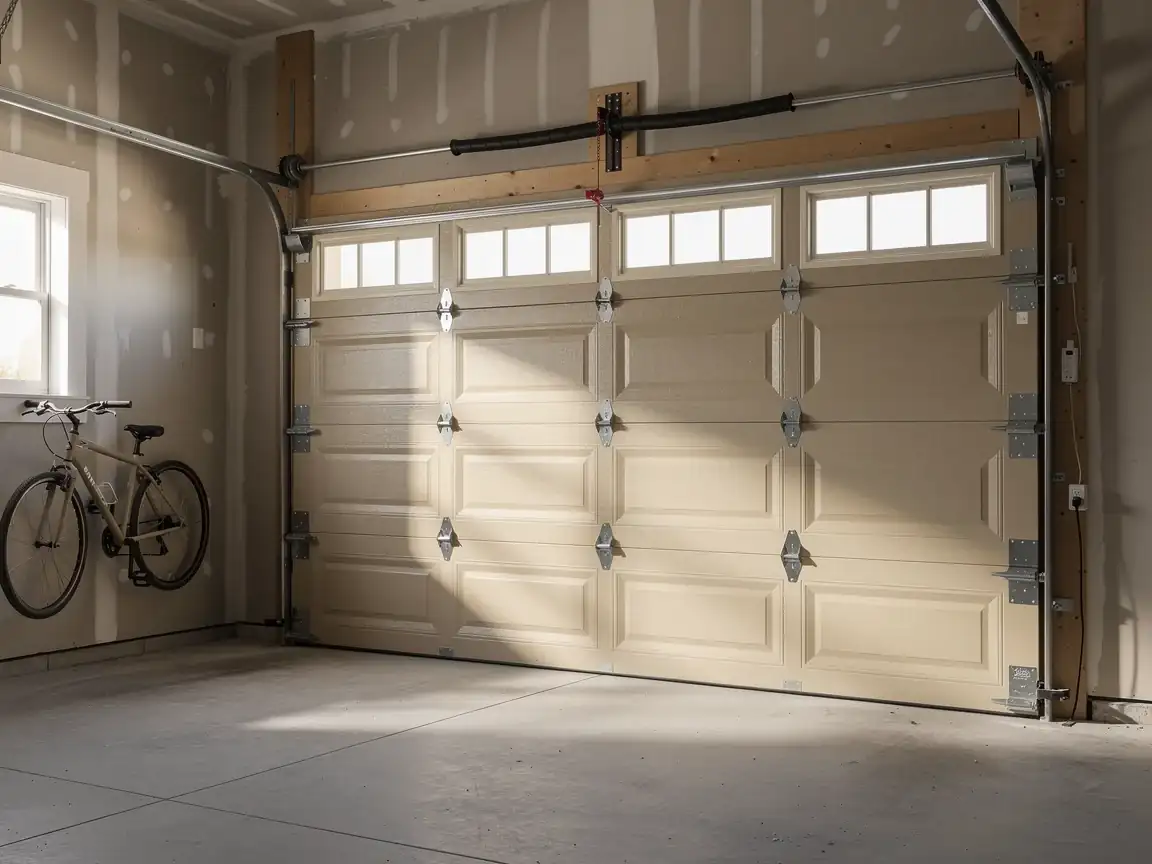
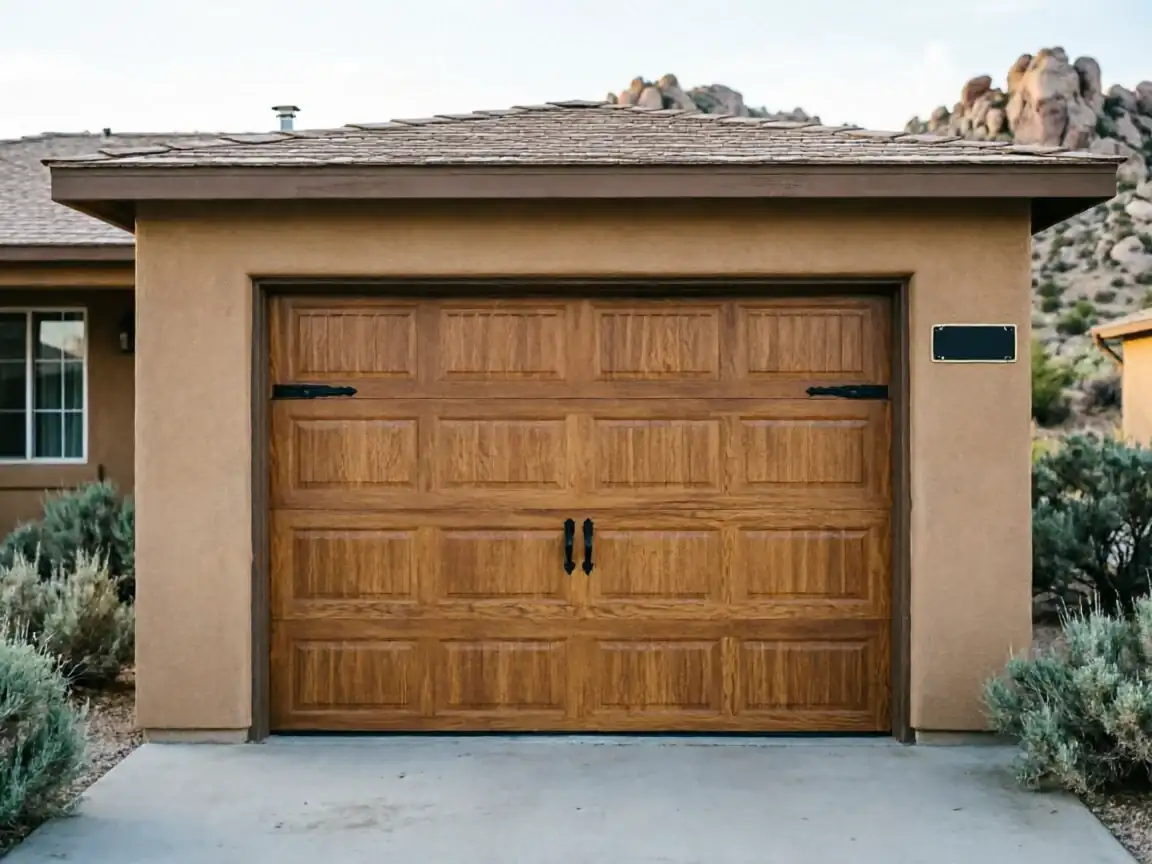
A door built around 1998 is almost always a steel panel door on a factory torsion spring, running on a chain or screw-drive opener from that same era, sometimes already swapped once for a belt-drive upgrade. That's good news for repair speed - parts for doors this age are still common, not special-order. What we don't see much of here are the one-piece wood doors or side-mounted torsion setups that show up in the service area's older 1980s stock, where finding a matching part can take longer. The heat is the other constant. Severe summer heat cycles plastic opener gears and dries out nylon rollers faster than cold climates would, so the most common failure in a Spring Valley garage isn't age, it's heat fatigue - gears that have gone brittle, belts that have stretched, sensors that drift out of alignment as the metal bracket expands and contracts day after day. None of that is unique to one house; it's what a 25-year-old door in a hot climate does, regardless of brand.
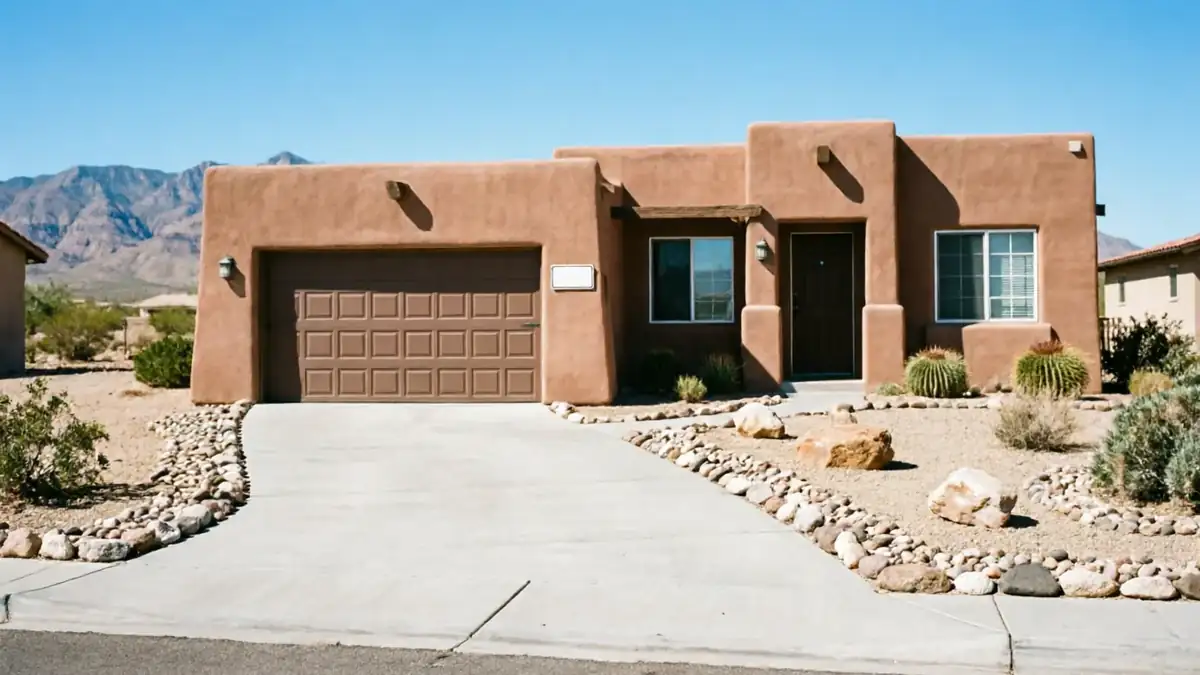
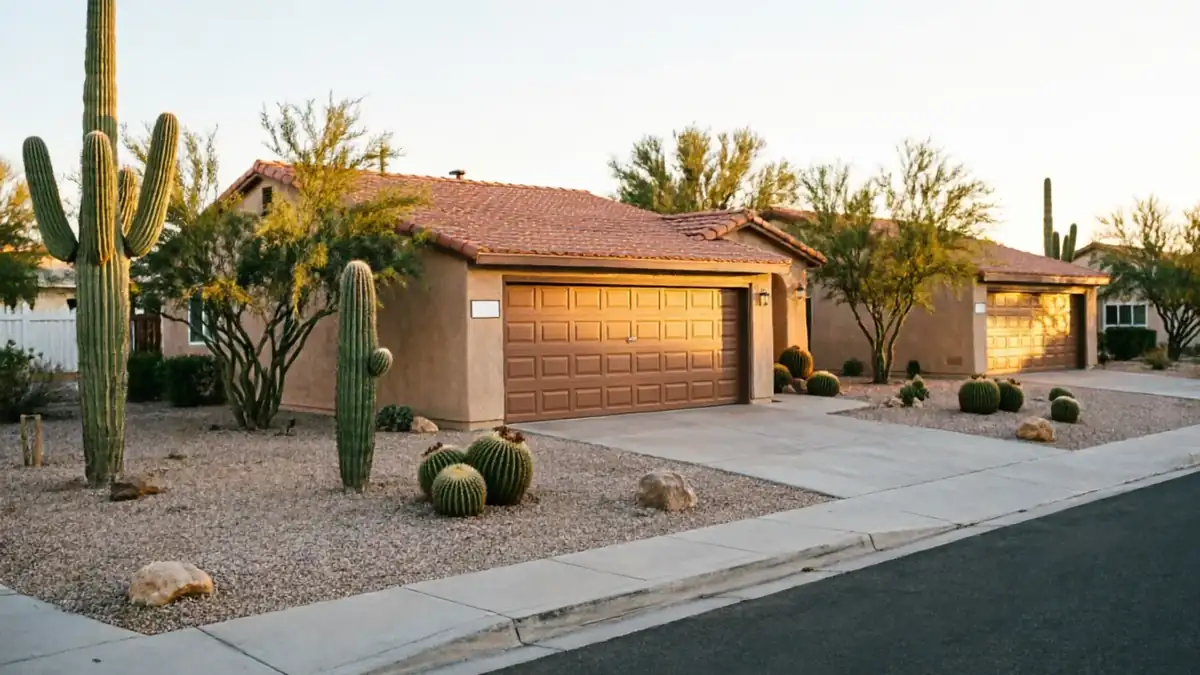
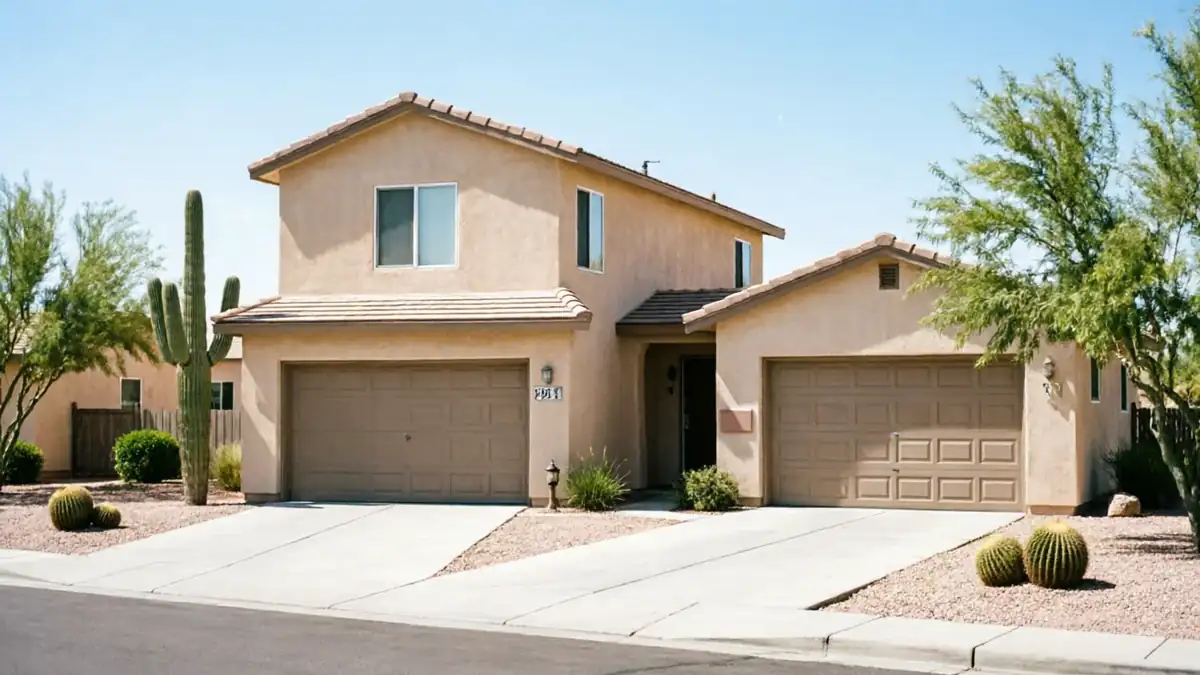
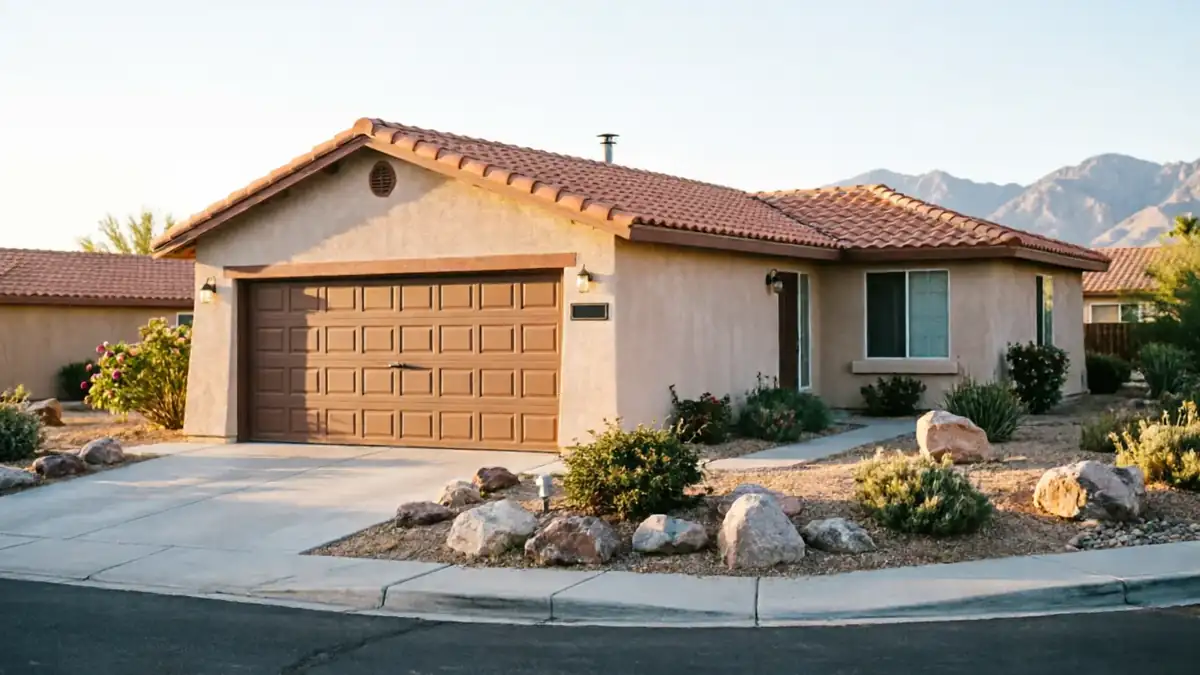
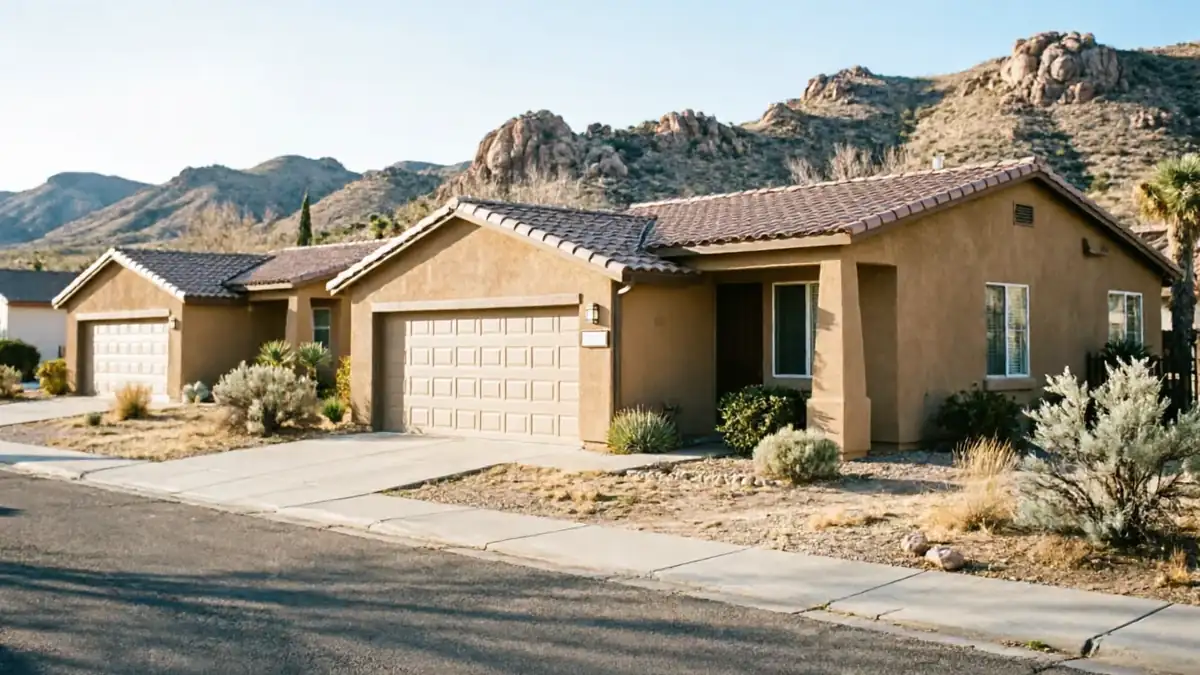
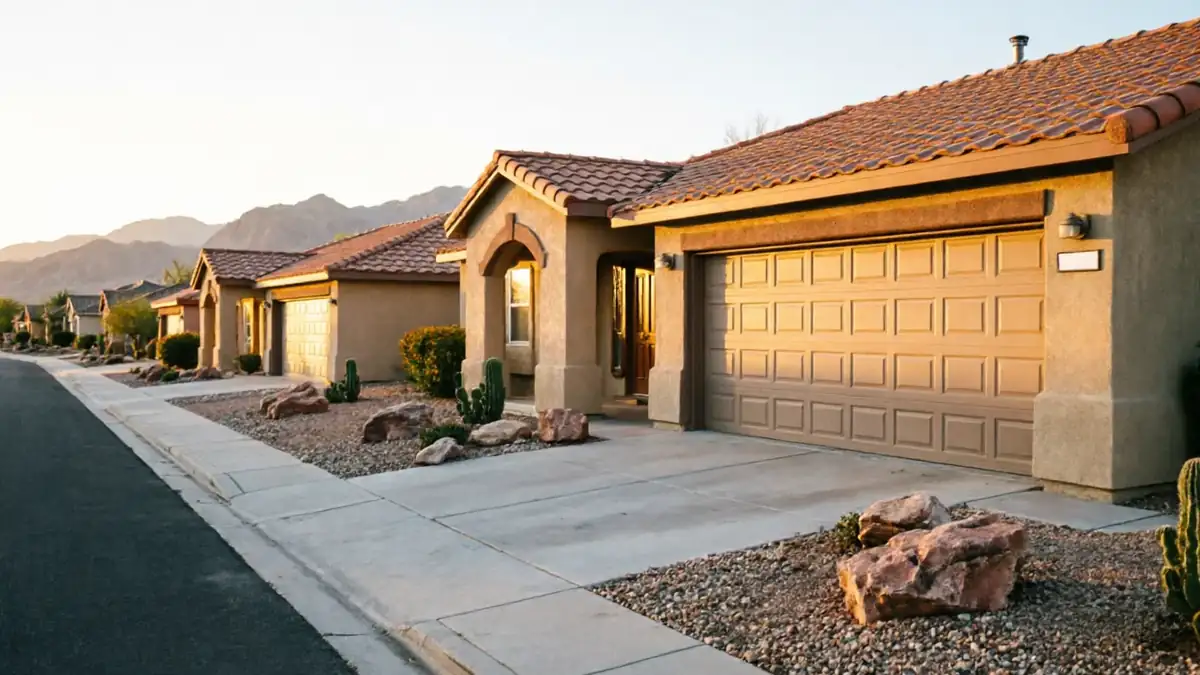
The Houses Here
Spring Valley holds roughly 87,275 households, which makes it one of the larger areas on our route - bigger than most of the other named pockets we cover from North Las Vegas. The building stock here is fairly consistent: built mostly in the late 1990s, which means standard door widths, standard track spacing, and openers that are old enough to need a board or gear replacement but young enough that we're not improvising a fix for hardware that's been out of production for decades. Compare that to the service area overall, where median income runs $61,177 and housing skews toward 1980s-90s construction - Spring Valley's $72,364 median income and newer build year put it in a different bracket for what people are willing to spend on an upgrade versus a patch. We still see outliers - a stuck torsion spring that's clearly original to the house, a garage someone converted and reopened - but the baseline here is predictable in a way that makes quoting a job faster.