Emergency Garage Door Repair for North Las Vegas Homes
Broken spring or dead opener at 10pm in North Las Vegas? We know why 1980s-90s builds fail first in this heat and carry the parts to fix it on the first call.
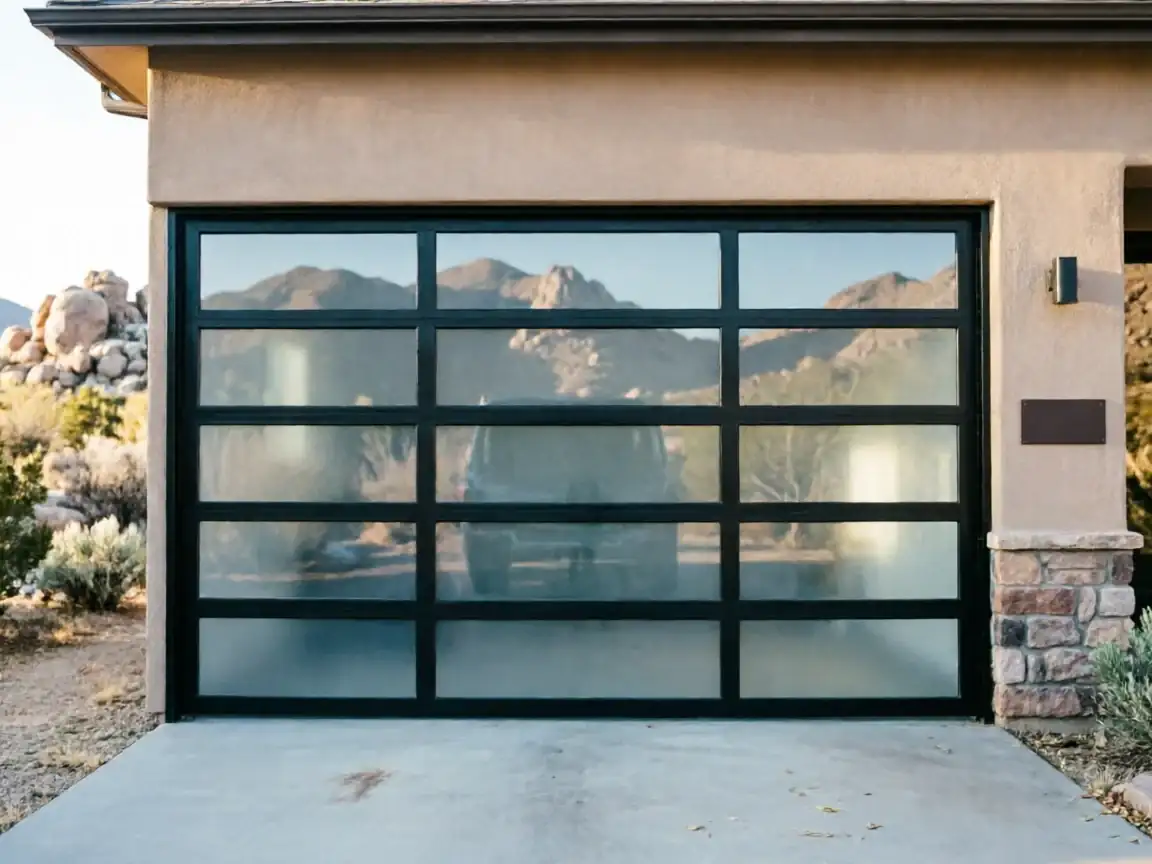
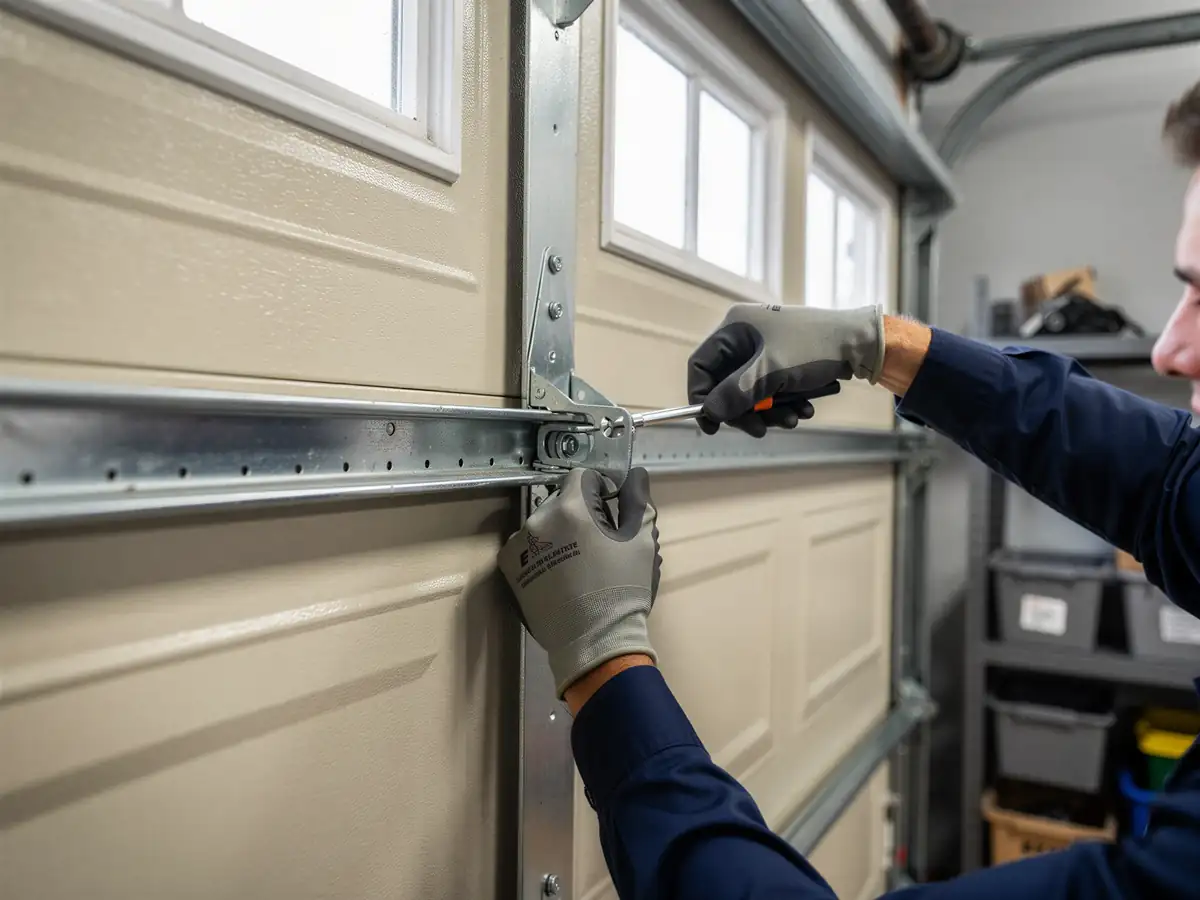
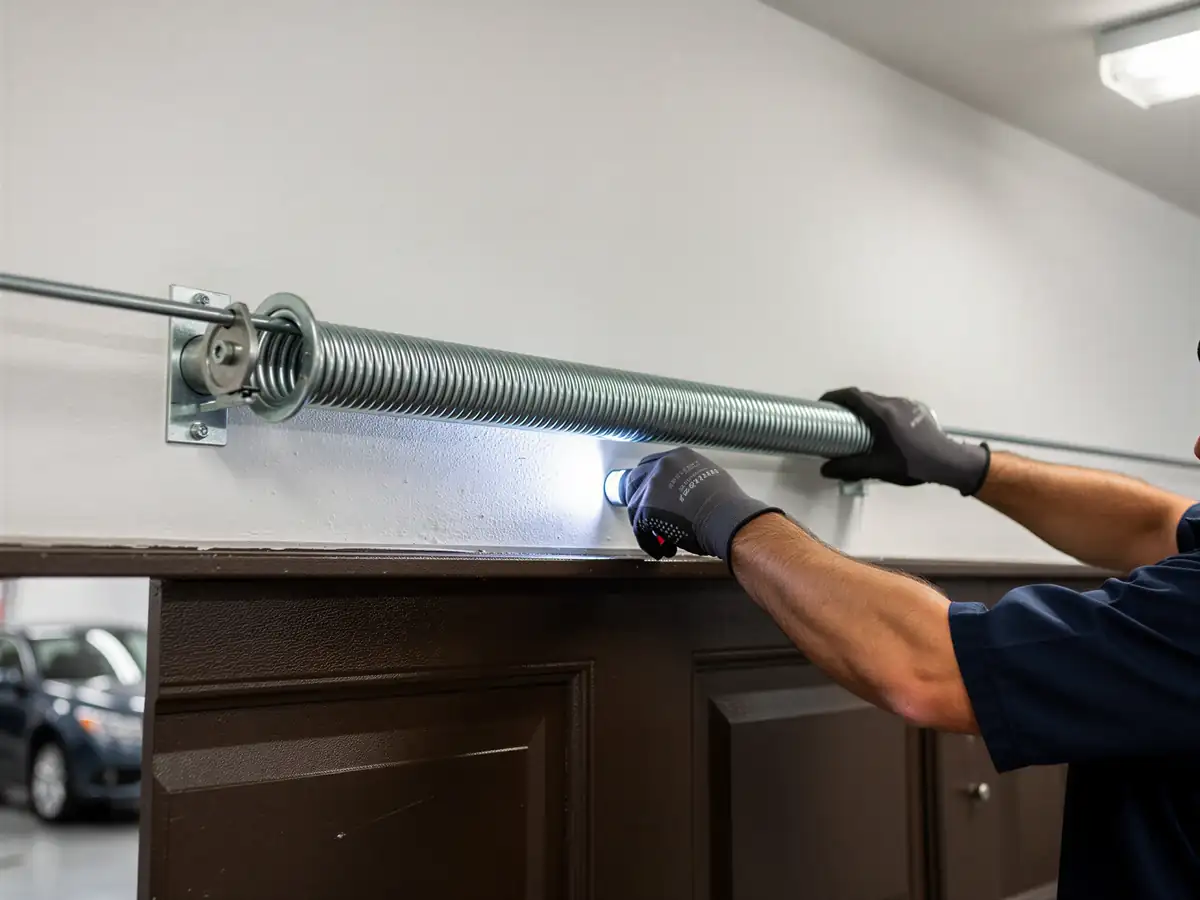
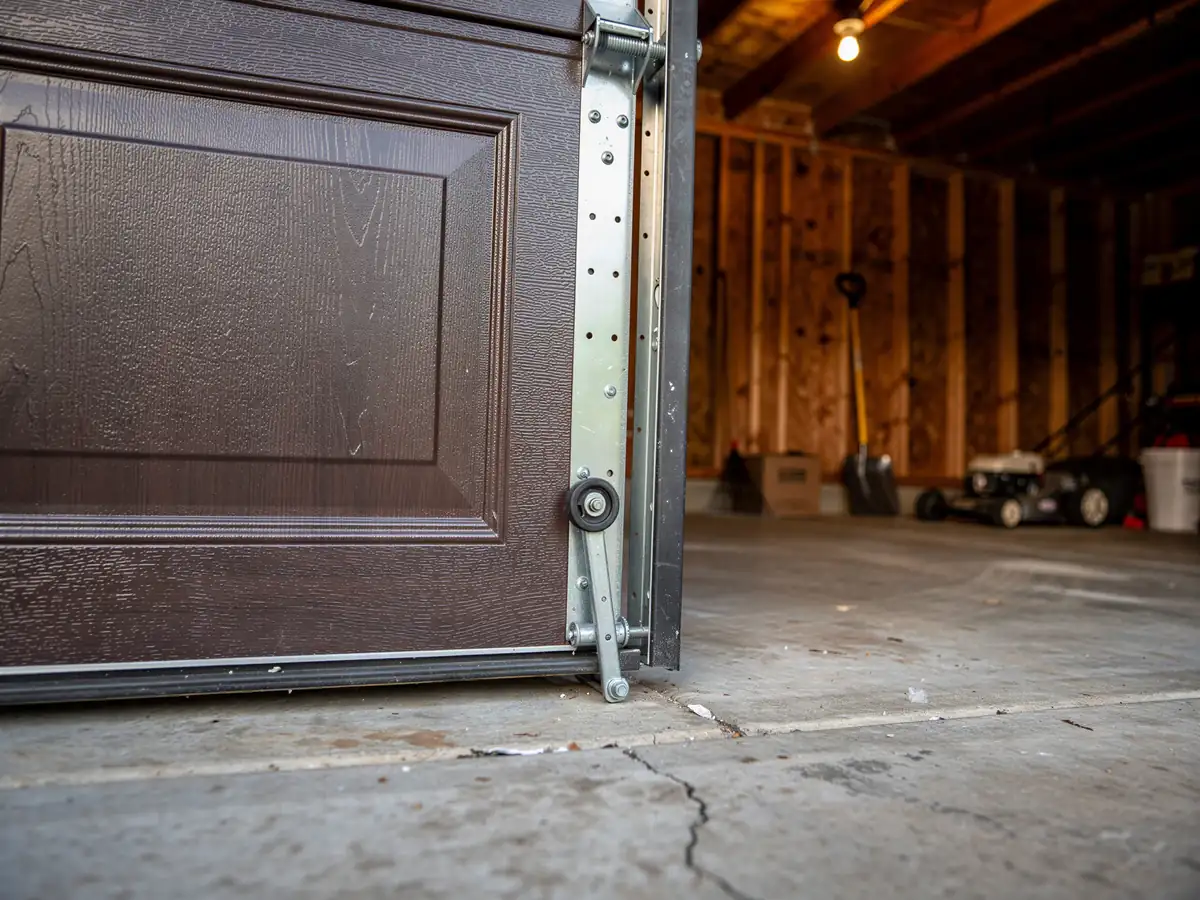
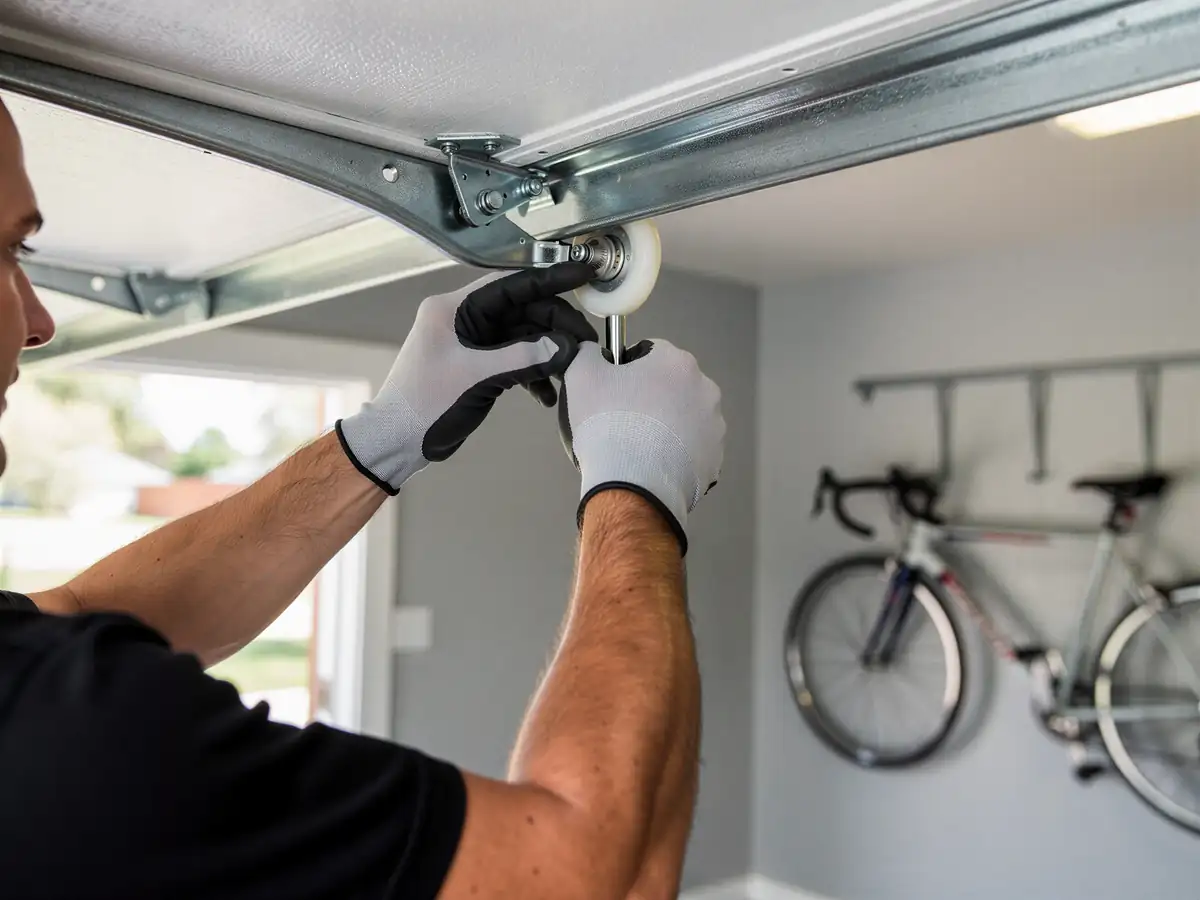
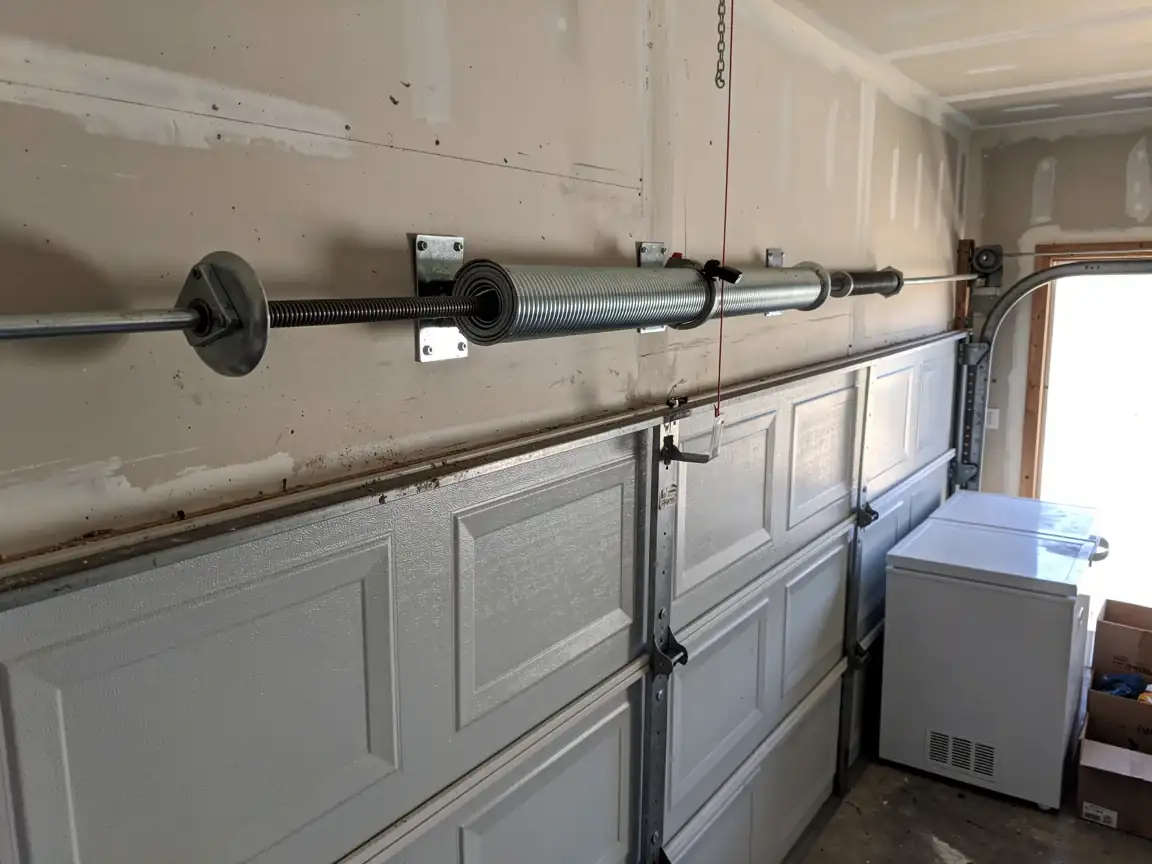
Most of the trucks working North Las Vegas carry torsion springs sized for the doors that actually went up here - the service area's housing stock runs 1979 to 2006, with a median build year of 1994, and that means a narrow band of door weights and spring wind counts. We stock the cable, rollers, and extension and torsion springs that fit those builds, plus the drum and bearing plates that wear out on doors installed in the 1980s and 90s across the area's older subdivisions. What we don't carry on the truck: specialty glass-panel inserts or obsolete opener logic boards for openers no longer made. Those get ordered and that adds a day or two, which is the one honest gap in an otherwise same-day service. If your door was installed before 1994, there's a decent chance the spring on it has already outlived its rated cycle count, and that's often the actual emergency, not the symptom you called about.
What You Pay
We don't post a flat number here because what you pay depends on what actually failed - a single broken torsion spring on a one-car door costs less than a cable snap that's also bent the track, and a 90s-era opener with a dead circuit board costs more to fix than to replace outright. What we can tell you: with median household income in the service area at $61,177 and most owner-occupied houses here part of 70,779 across the region, we quote the repair before we touch the door, not after. If the opener is original to a house built in the early 90s, we'll usually tell you straight that replacing it costs less over five years than patching it twice more.
The Symptom
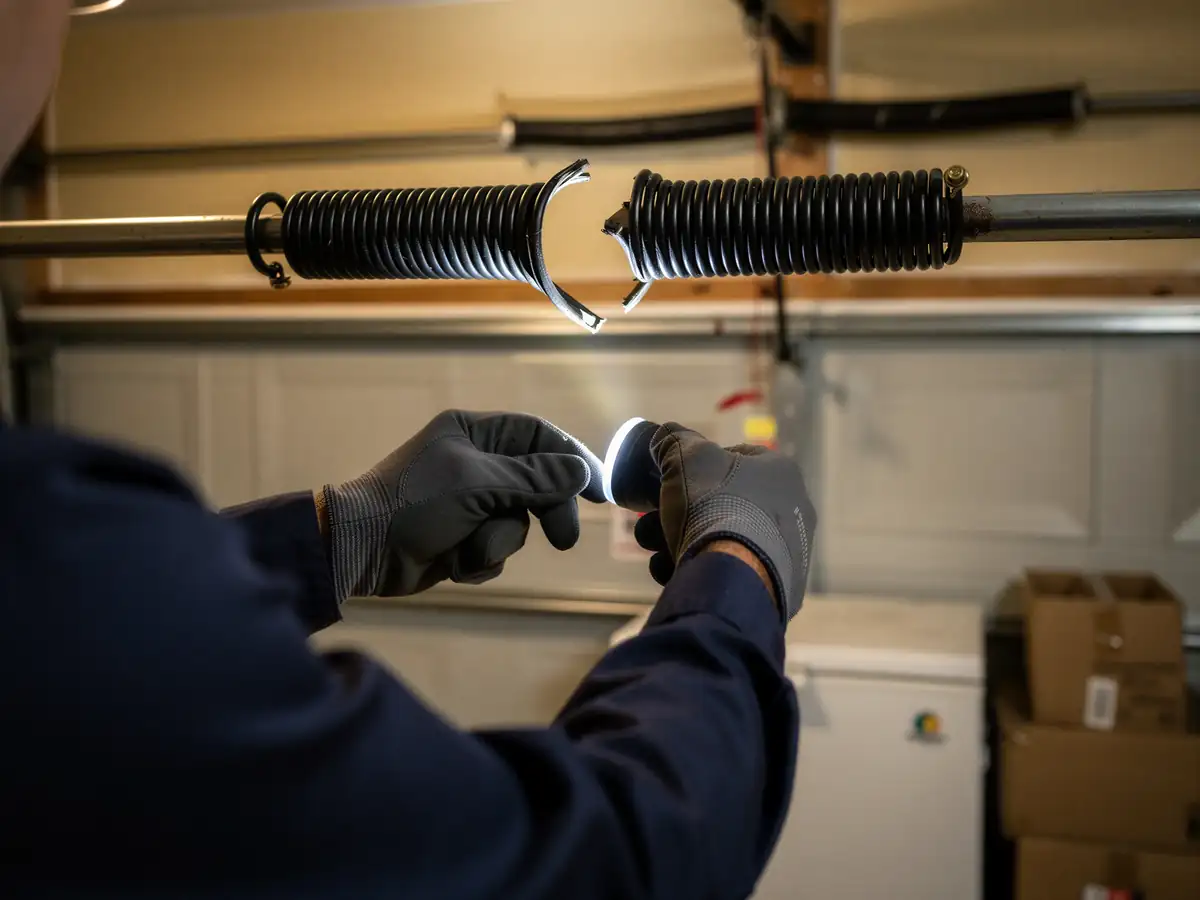
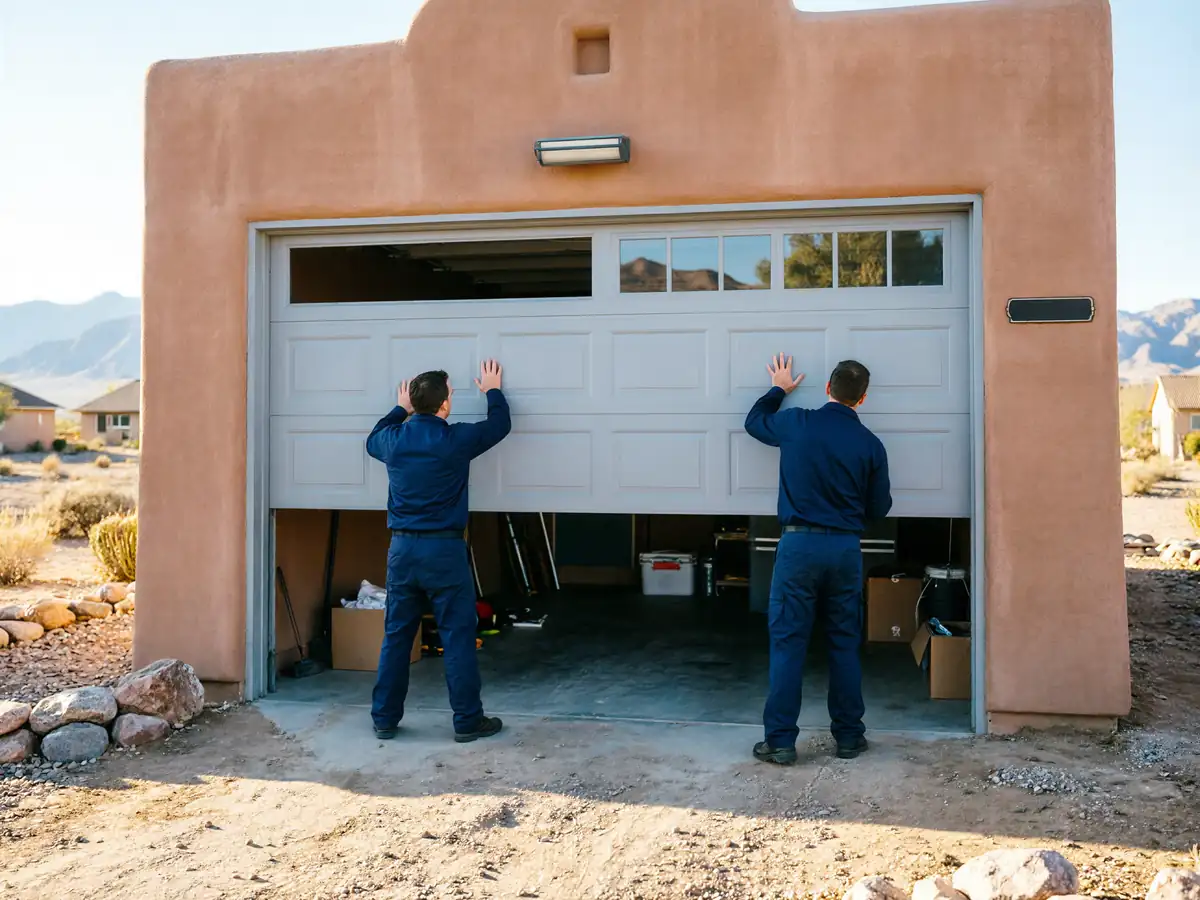
The call almost always sounds the same: the door was fine yesterday, and this morning it won't open, or it opens a few inches and stops, or it slammed down on its own. Sometimes there's a loud bang from the garage first - that's the spring letting go under tension, not the opener failing. Other times the opener motor just hums and the door doesn't move at all, which points to a stripped gear or a spring too weak to lift the door's own weight. On older doors in this area, the giveaway is a door that feels unusually heavy to lift by hand once the opener is disconnected - that's a spring that's lost tension gradually, not all at once, and it was likely one hot afternoon away from snapping outright.
What Causes It Around Here
This area sits in a severe heat climate band, and that matters more for garage doors than people expect. Steel torsion springs expand and contract with daily temperature swings that are sharper here than in milder climates, and that cycling fatigues the metal faster than the spring's rated cycle count assumes. Lubricant on rollers and hinges also breaks down quicker in sustained heat, which is why a door that was quiet in spring starts grinding by midsummer. Layer that onto housing stock built mostly between 1979 and 2006, concentrated in six established areas with similar construction eras, and you get a lot of original hardware - springs, openers, and track - all aging out around the same calendar window. A spring installed in 1994 and never replaced has had three decades of Nevada summers working against it, and that's the single biggest reason the failures cluster the way they do.
How it works
From “it’s stuck” to “it’s fixed”
01
Tell us what’s wrong
Describe the symptom - won’t open, loud bang, opener runs but the door won’t move.
02
On-site diagnosis
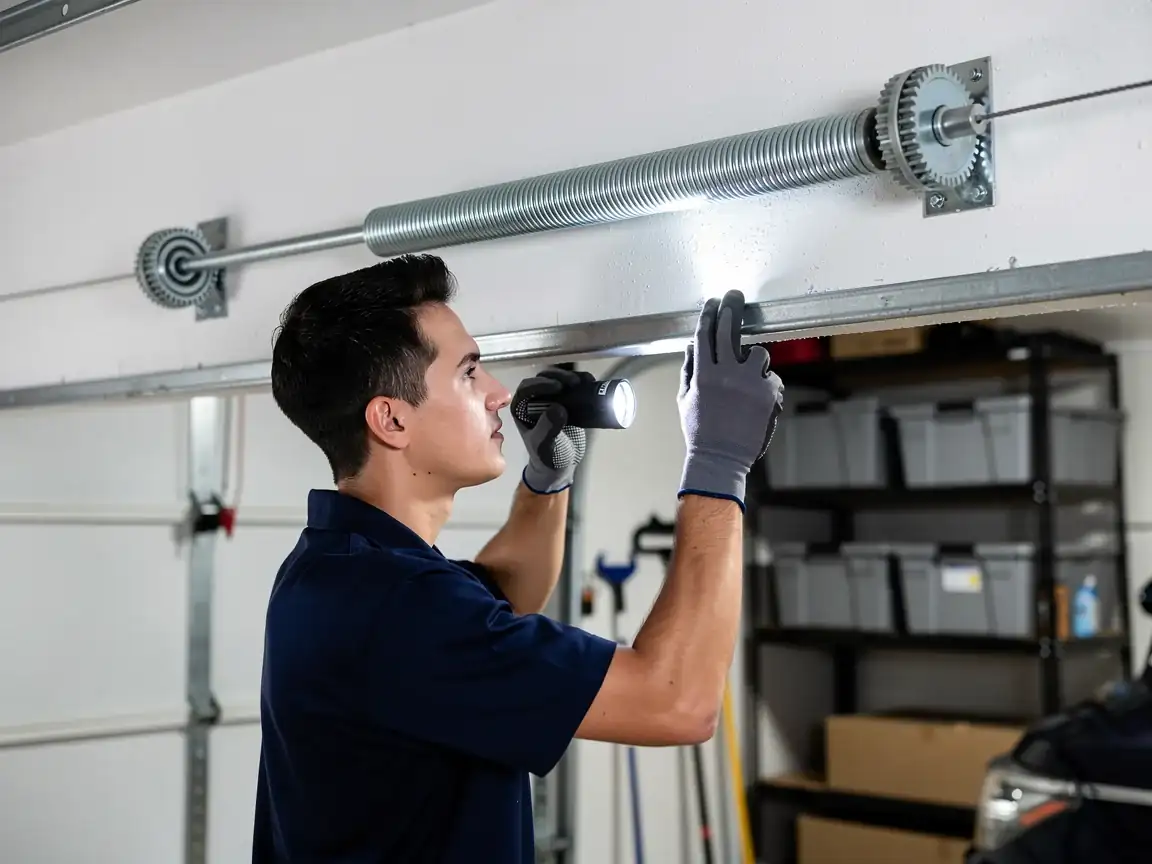
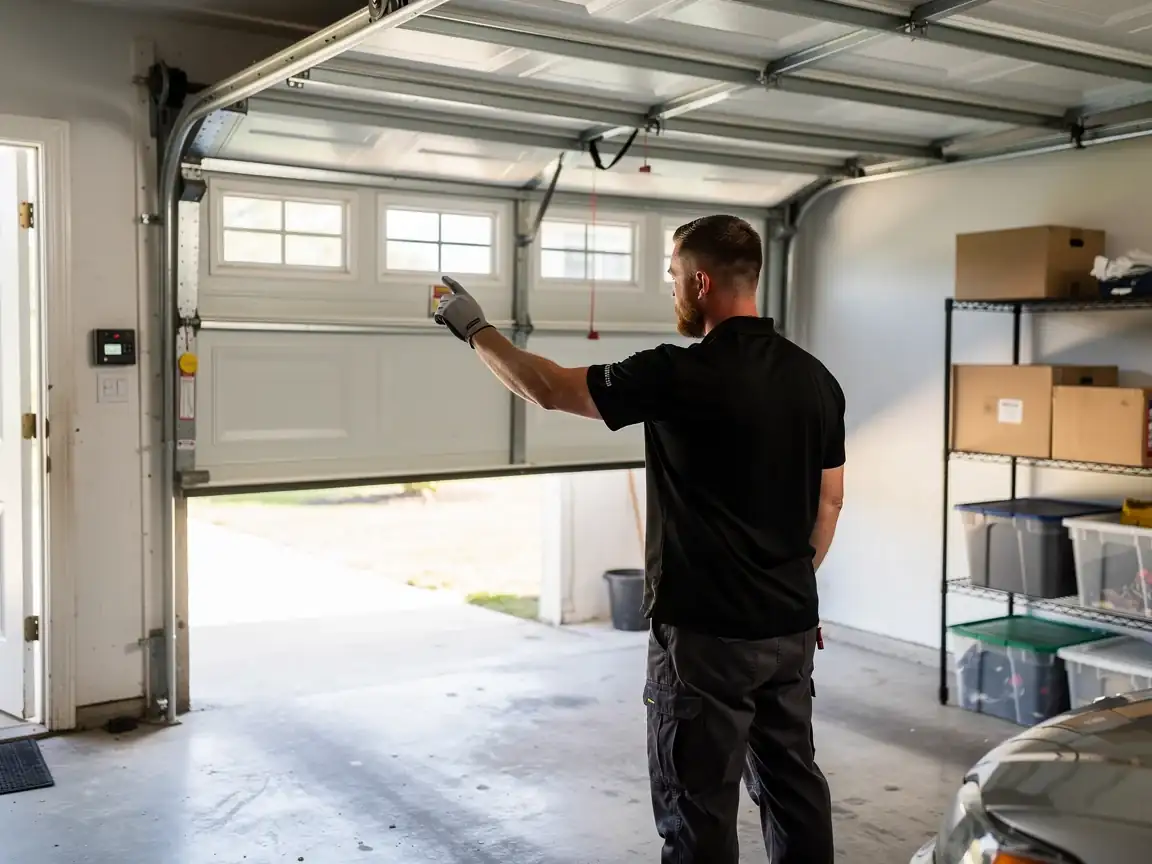
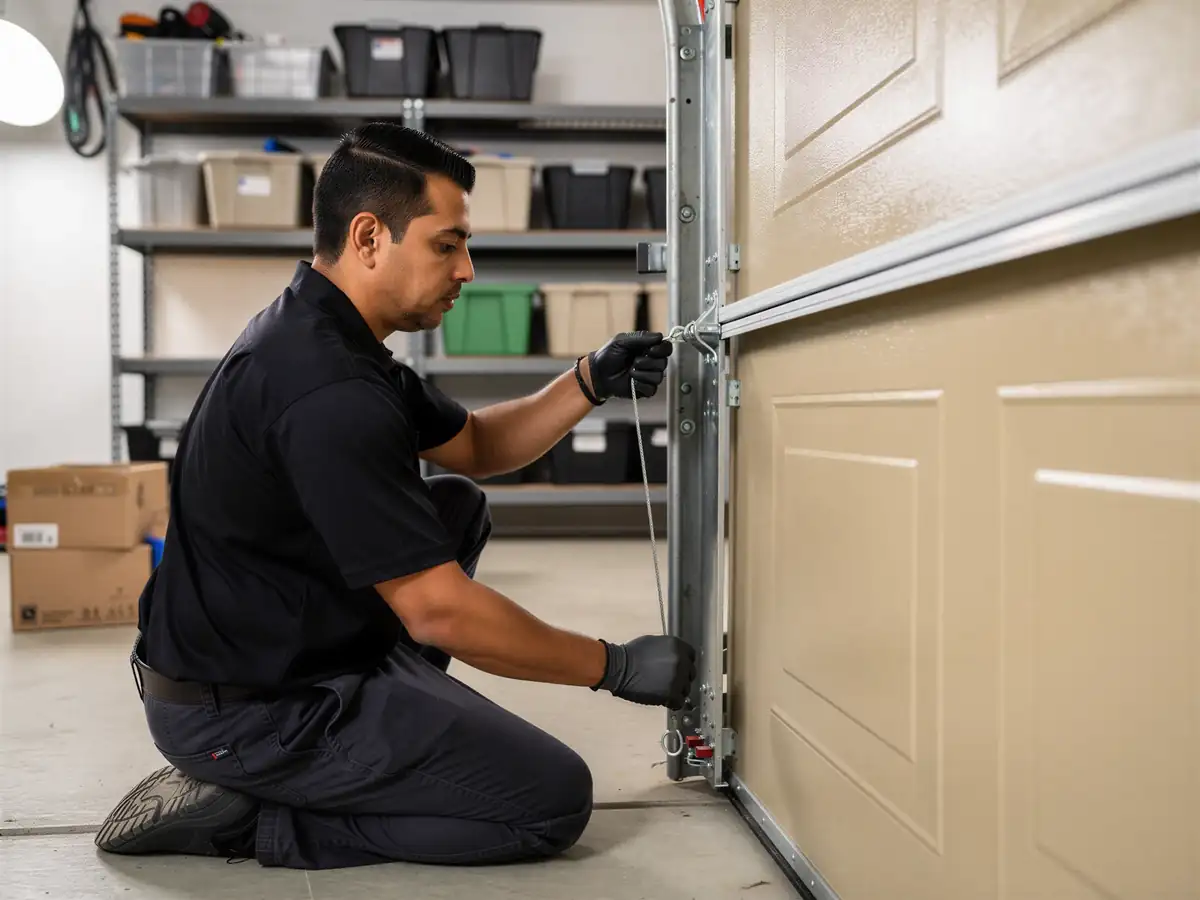
A technician tests the door under power and by hand and finds what actually failed.
03
Clear, up-front plan
You get the fix that’s needed and what drives the cost - before any work starts.
04
Repaired & tested
The repair is done, the door is set true and tested, and the work area left clean.
Not sure which repair your door needs in North Las Vegas, NV? Describe what it’s doing - every job starts with a diagnosis.
Why did my garage door spring snap with no warning?
Torsion springs rarely fail cleanly - they lose tension gradually from heat cycling and metal fatigue, then let go on an ordinary lift. In this climate, that fatigue happens faster than in milder regions, so a spring that seemed fine can go without obvious warning signs beforehand.
Is it worth fixing an opener from the 1990s or should I replace it?
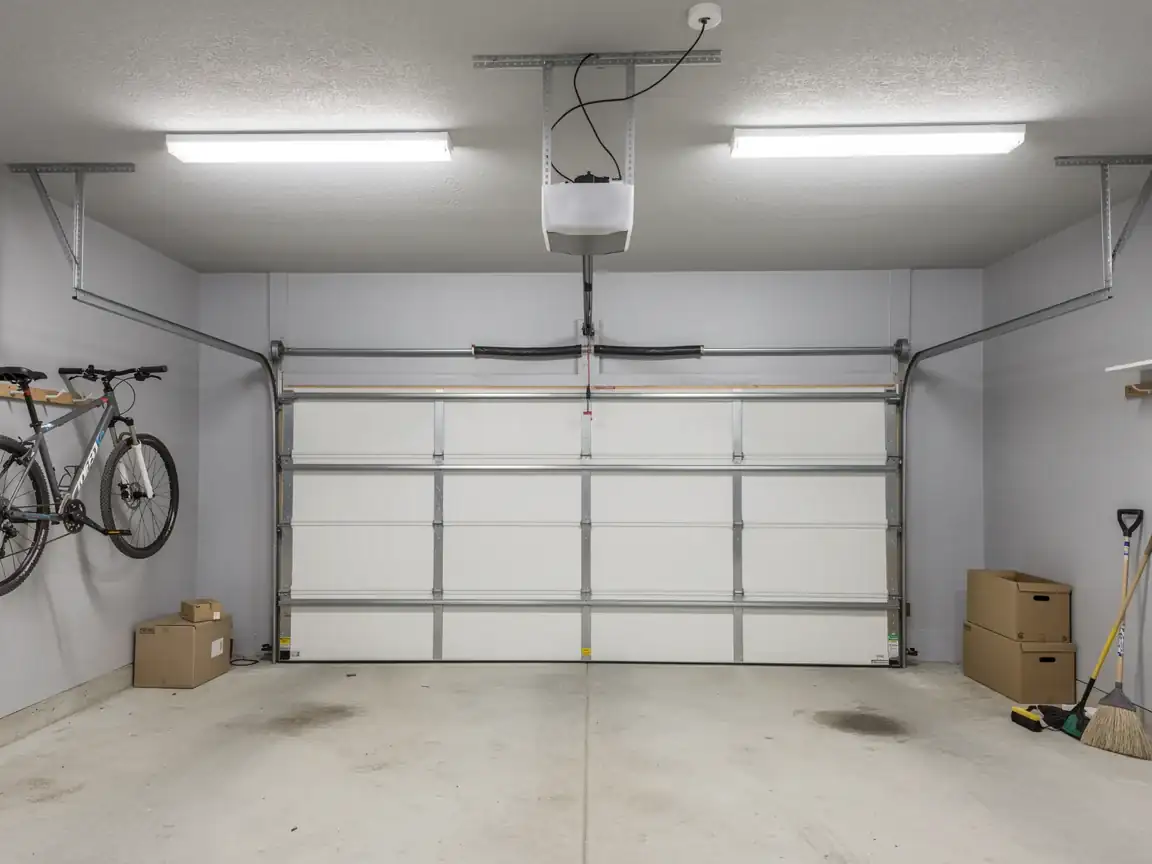
Depends on what failed. A dead capacitor or a worn gear is a reasonable repair. A failed circuit board on an opener that old usually costs close to what a new unit runs, and parts for discontinued models can take days to source, so replacement is often the more sensible call.
Can heat really cause a garage door to fail?
Yes - sustained heat breaks down lubricant on rollers and hinges faster, and it cycles torsion springs through more expansion and contraction than a mild climate would. That accelerates fatigue in metal parts that are rated by cycle count, not by calendar year.
Do you carry parts for older doors on the truck?
For springs, cable, rollers, and bearing plates common to houses built in the 1980s and 90s, yes. Specialty panel inserts or discontinued opener logic boards usually need to be ordered, which can add a day or two to that part of the job.
Ready to get your garage door sorted?
Tell us what it’s doing and where you are in North Las Vegas - we’ll take it from there.