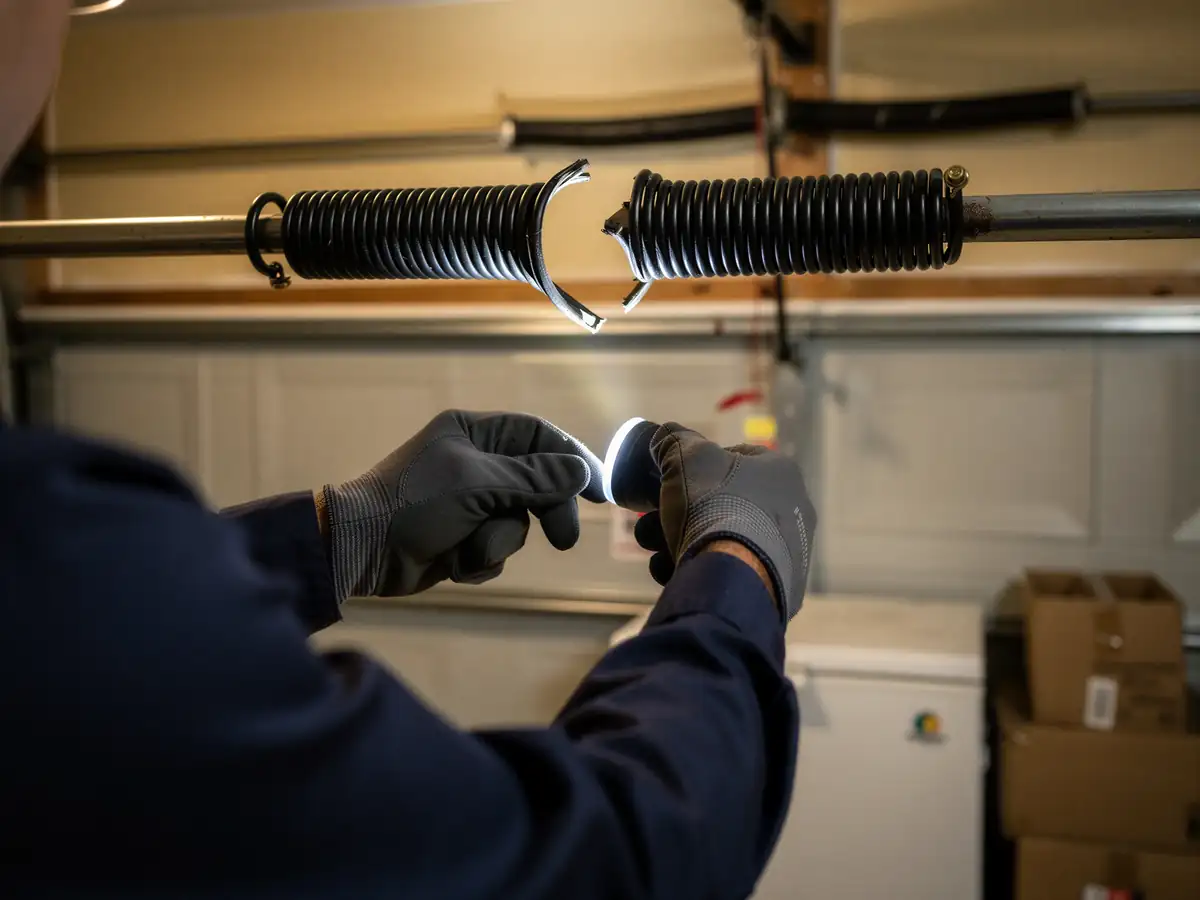
North Las Vegas homes built mostly 1979-2006 face specific garage door wear from severe summer heat. Here's what that means for repair calls and parts.
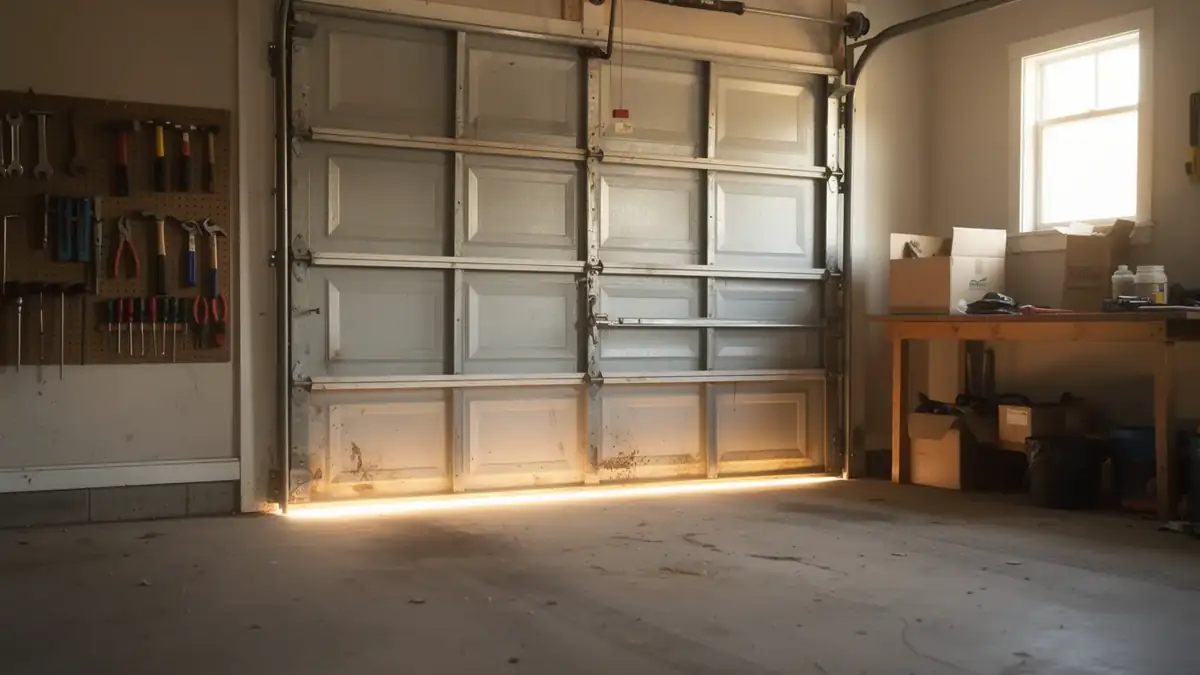
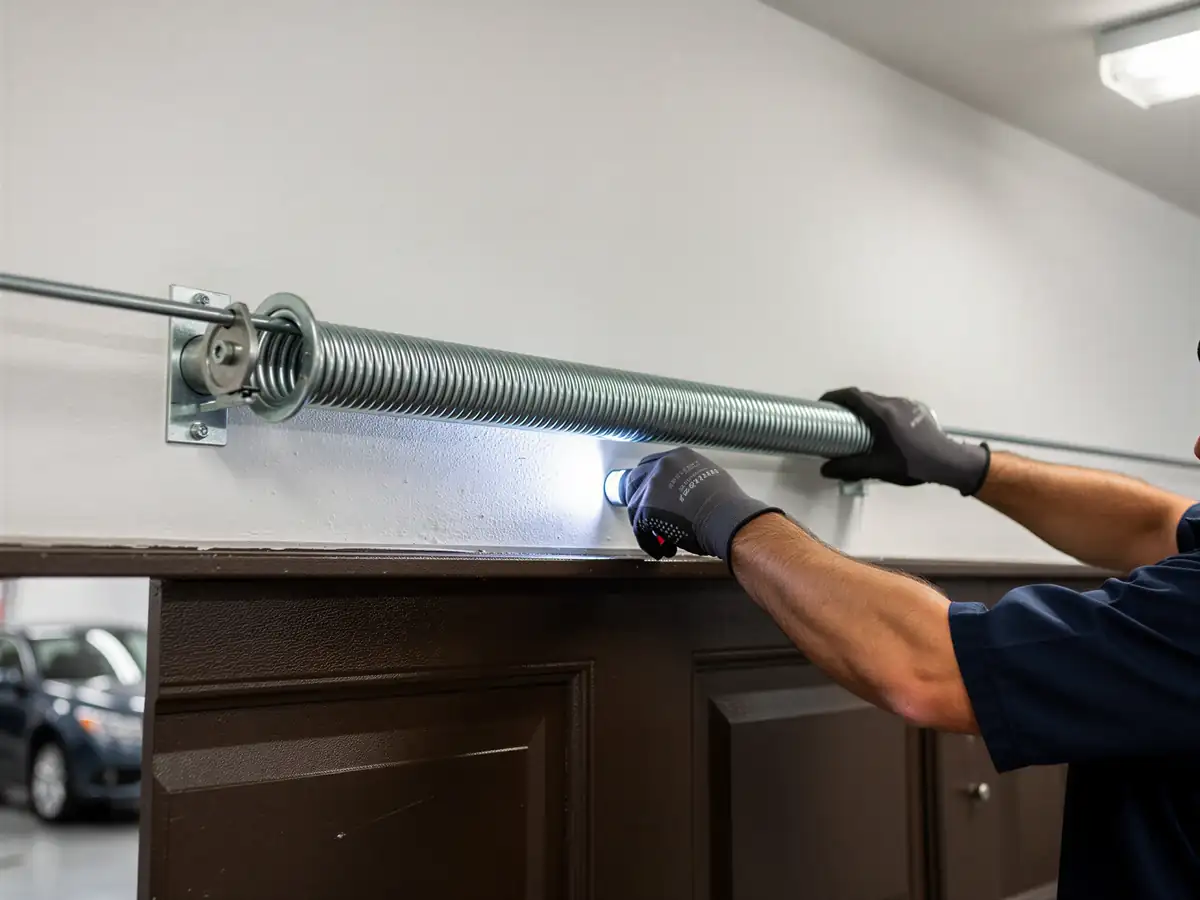
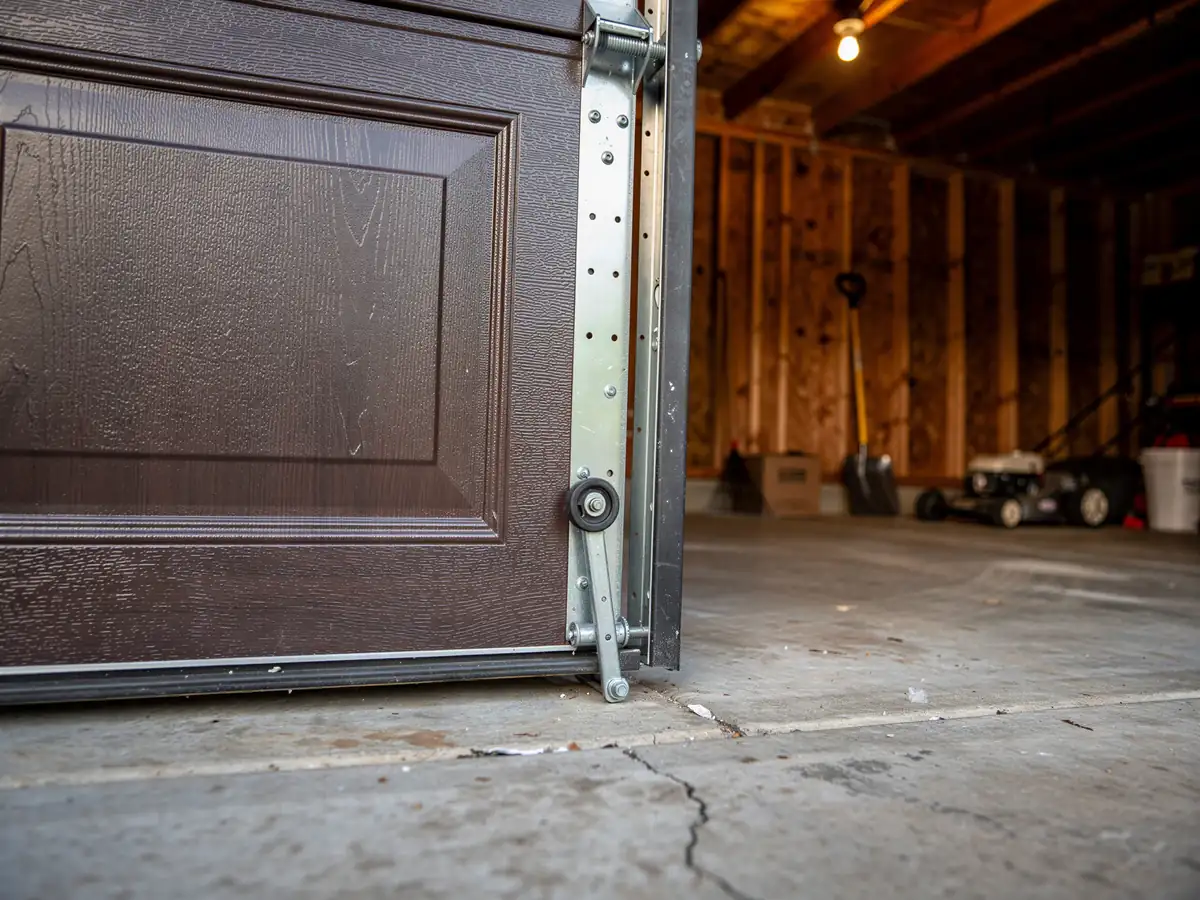
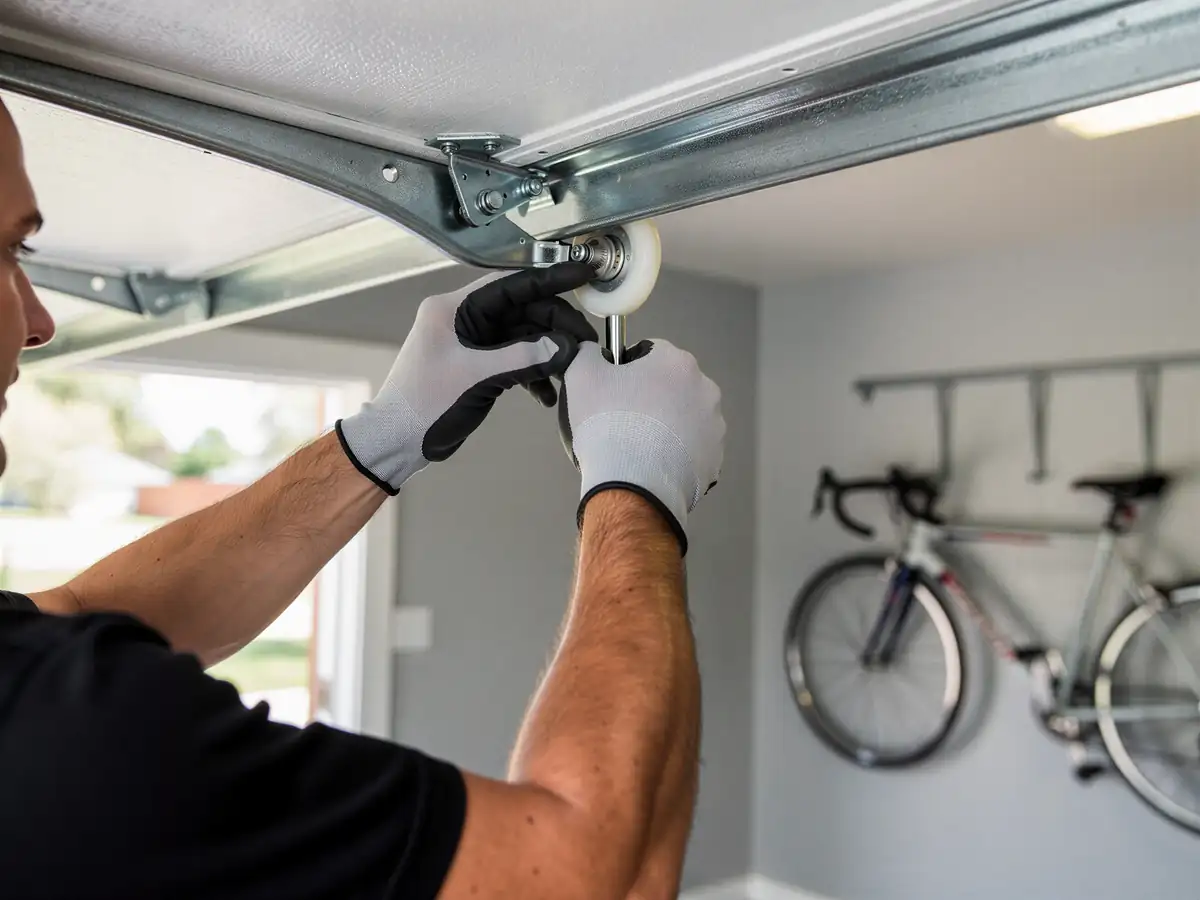
Most houses across North Las Vegas went up between 1979 and 2006, with the median build year sitting around 1994. That's a specific window: steel sectional doors from that era used lighter-gauge panels and nylon rollers that were never rated for the kind of sustained heat this valley gets. The climate here falls into the severe heat band, and that matters more to a garage door than almost anything else we see. Heat doesn't just warp panels - it thins out lubricant on torsion springs, dries cracked weatherstripping faster, and makes PVC rollers brittle enough to shatter on a hot afternoon close. Across the six main pockets of housing stock we work in, the pattern repeats: 1980s and 90s construction, single or double garage, steel door, factory-spec hardware that's now 20 to 40 years past the day it was installed. None of that hardware was built with today's heat cycles in mind - it was built to the standard of its decade. A door that opens fine in February can bind hard in July because the metal track has expanded and the rollers inside it haven't kept pace. If your door sticks only in the hottest months, that's not a coincidence - that's the house telling you its age.
When to Call Someone
Call when the door is noticeably louder, slower, or heavier to lift by hand than it used to be - those are early signs of a spring losing tension, and on a house from the 1979-2006 build window, that spring has likely never been replaced. Call immediately if a cable looks frayed or a panel has visible heat warp, since both can let a door drop without warning. Don't wait on a door that reverses itself on the way down; that's usually a safety sensor knocked out of alignment, often from thermal expansion in the track rather than anything mechanical breaking. One honest note: if your opener is original to a house built in the early 1990s, replacing it is almost always the better call than repairing it - parts for openers that old are getting hard to source, and a technician's time chasing a dead board usually costs more than a new unit. We'll tell you straight when that's the case instead of running the clock on a repair that won't hold.
What You Pay
We don't publish a flat price here because what a job costs depends on what's actually wrong and what parts your specific door needs - a spring swap on a 1990s builder-grade door is a different job than replacing heat-cracked panels on a wider double door. What we can tell you is that the median household income across this service area runs around $61,177, and we price jobs with that in mind: real quotes before work starts, not padded estimates. With roughly 70,779 owner-occupied houses in the area and the bulk of them sharing that same late-70s-to-mid-2000s construction era, a lot of the repairs we run are predictable - torsion springs, roller replacement, opener boards worn out by heat cycling. Predictable work means we can usually tell you a tight range on the phone once you describe the door and its age.
The Situation
North Las Vegas sits inside a service area that stretches out to Sunrise Manor about 8 miles off, Winchester at 11, Whitney around 13, Paradise at 14, Spring Valley 17 miles out, and Summerlin South 18 miles away, with about 10 miles to the south. That spread covers a lot of houses built in the same two-and-a-half-decade stretch, which means a lot of garages carrying the same aging hardware under the same severe heat load. It's not a glamorous situation - it's 271,542 households worth of steel doors doing slow, steady damage to themselves every summer. The upside is that the pattern is well understood. We're not guessing what's likely wrong with a door built in this window and run through decades of this climate; we've seen the shape of the problem enough times that diagnosing it on the phone, before a truck even rolls, usually gets us most of the way there.
How it works
From “it’s stuck” to “it’s fixed”
01
Tell us what’s wrong
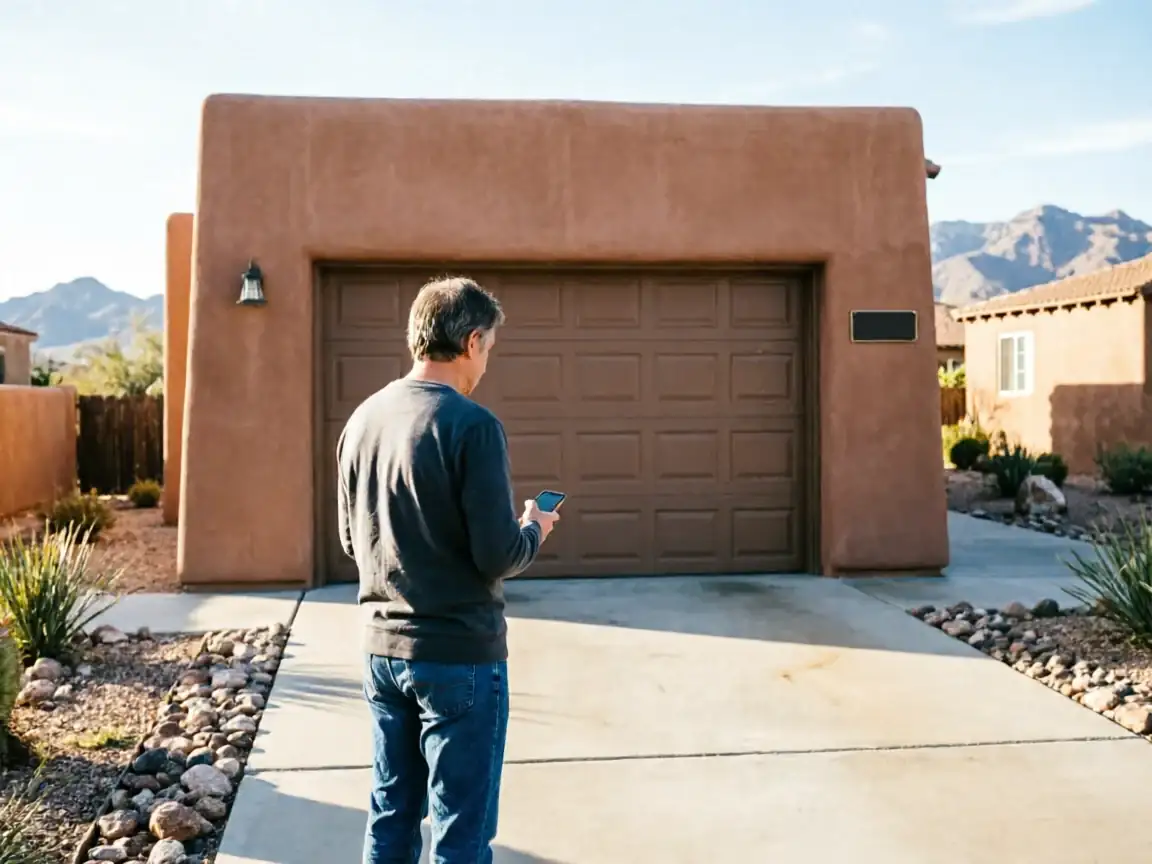
Describe the symptom - won’t open, loud bang, opener runs but the door won’t move.
02
On-site diagnosis
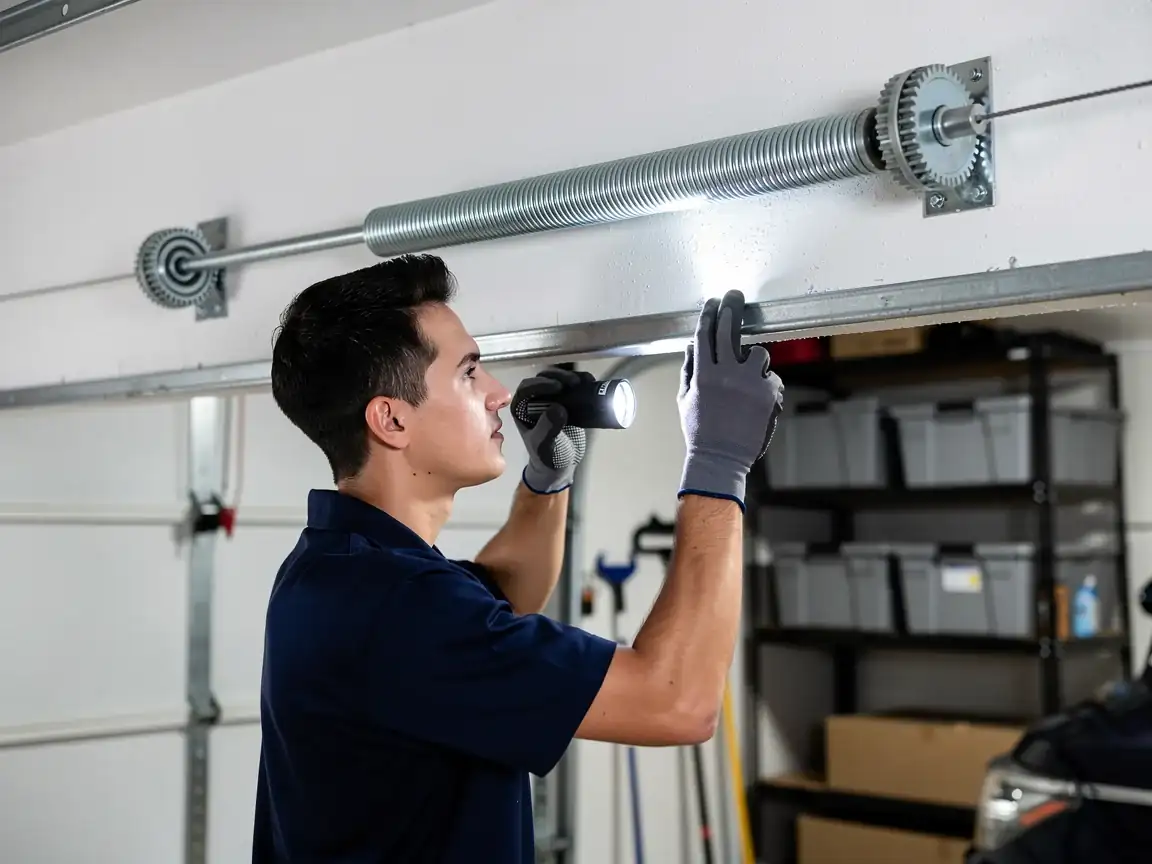
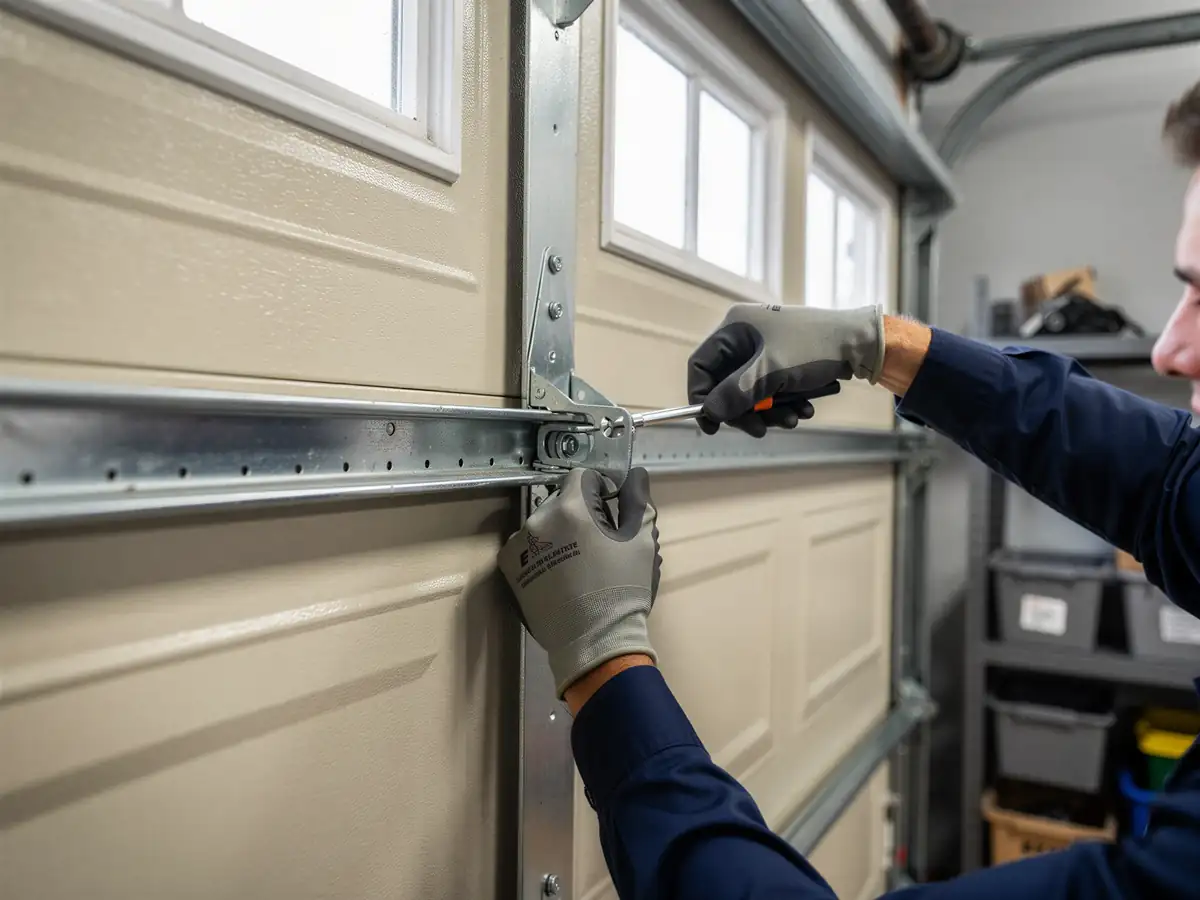
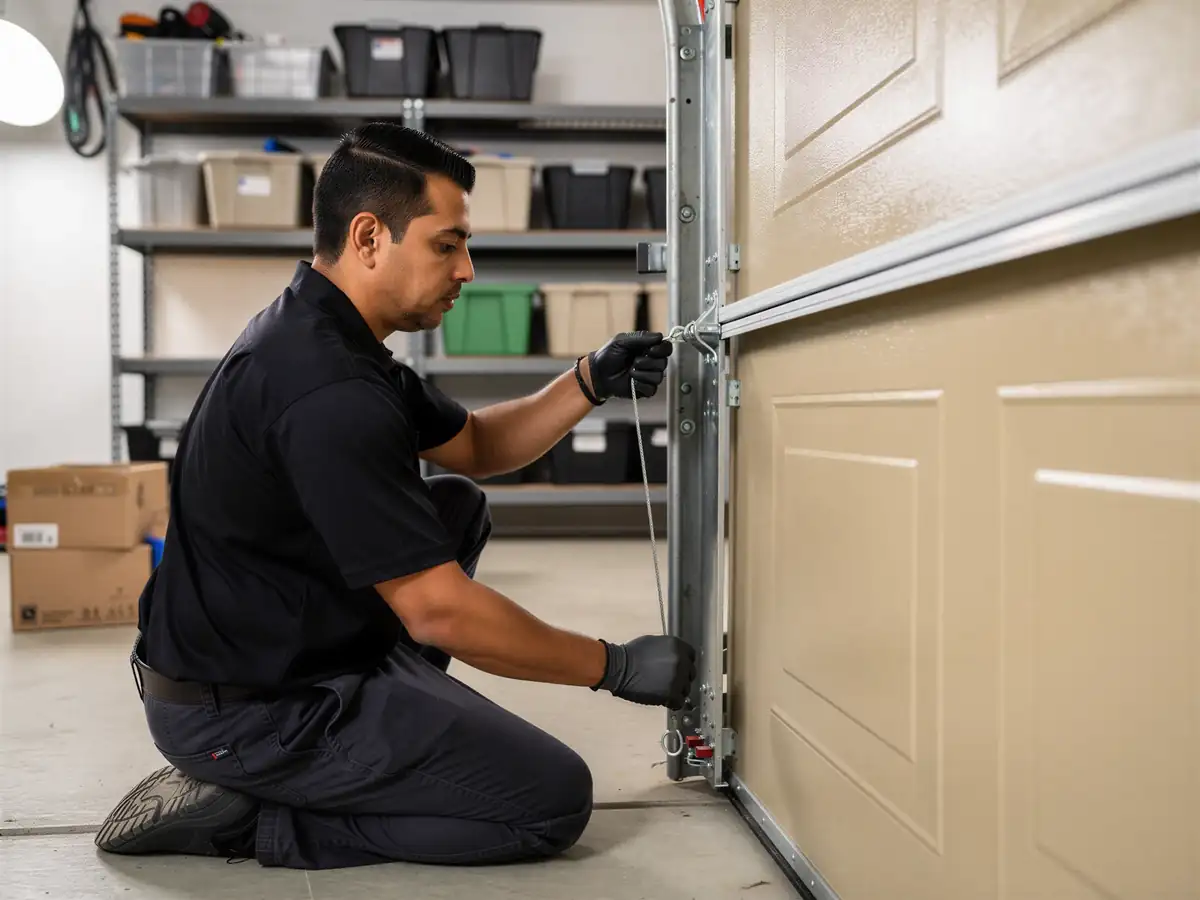
A technician tests the door under power and by hand and finds what actually failed.
03
Clear, up-front plan
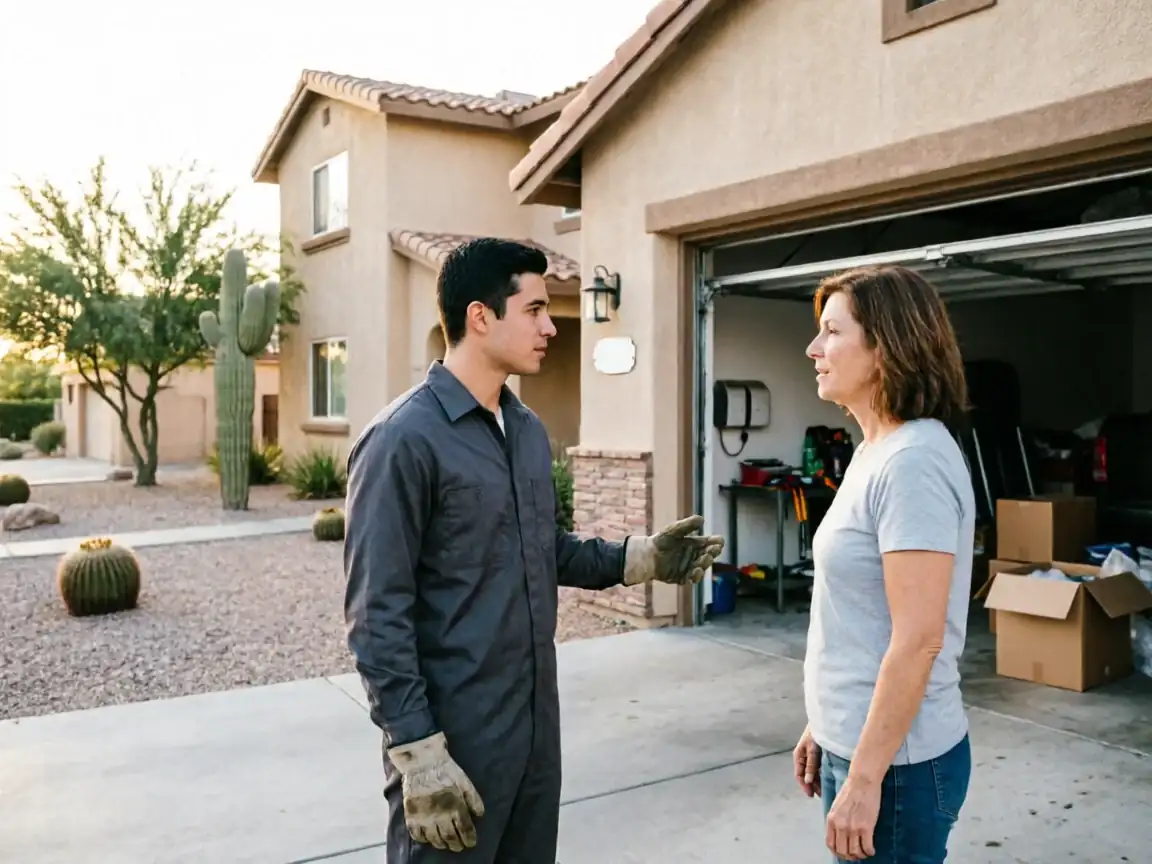
You get the fix that’s needed and what drives the cost - before any work starts.
04
Repaired & tested
The repair is done, the door is set true and tested, and the work area left clean.
Not sure which repair your door needs in North Las Vegas, NV? Describe what it’s doing - every job starts with a diagnosis.
Heat expands the steel track and dries out spring lubricant faster than cooler months do. On a door built in the 1980s or 90s, which describes most houses in this area, that seasonal swing is often the first sign a spring or roller is near the end of its life, not a one-off glitch.
Is my opener too old to fix?
If the house and opener date to the early-to-mid 1990s window common across this area, repair parts can be hard to find and not worth the labor time. We'll check the model before recommending anything and tell you honestly if replacement is the better value.
Do newer doors handle the heat better?
Generally yes - doors made in the last decade or so use heat-tolerant seals and steel gauges that weren't standard when most houses here were built between 1979 and 2006. It's one reason an older door can need more frequent spring and roller work.
Ready to get your garage door sorted?
Tell us what it’s doing and where you are in North Las Vegas - we’ll take it from there.