What Heat and Age Do to a Garage Door in North Las Vegas
North Las Vegas sits in a severe-heat zone with houses mostly built 1979-2006. Here's how that age and heat affect your garage door, spring, and opener.
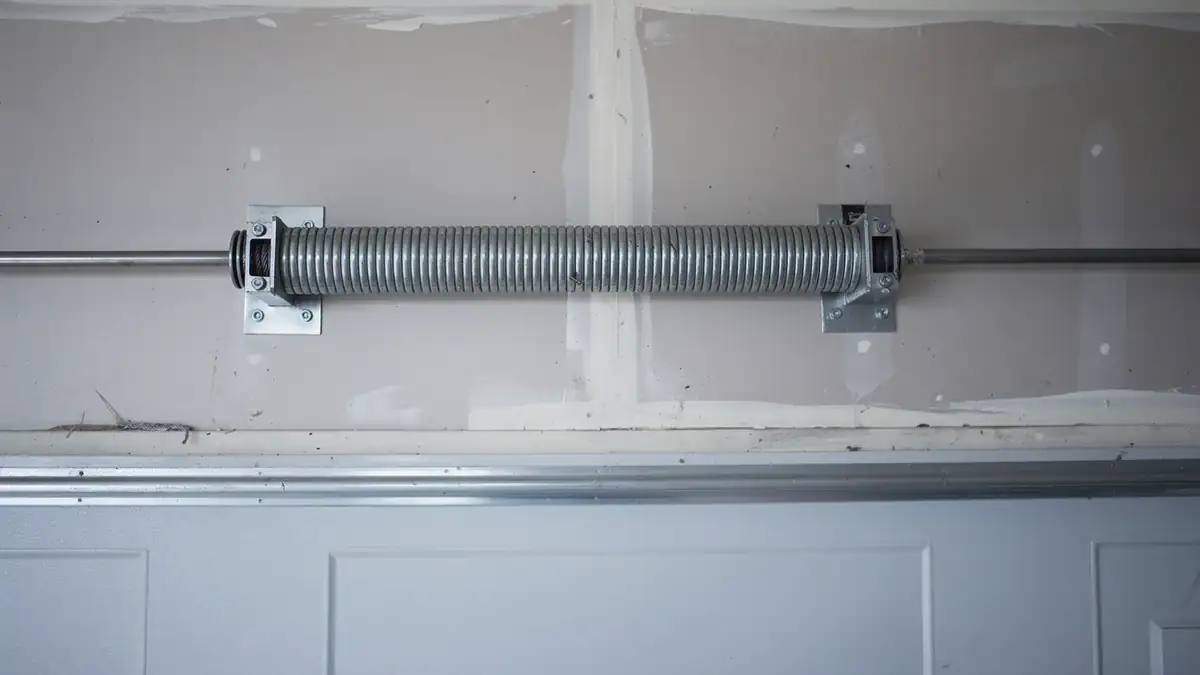
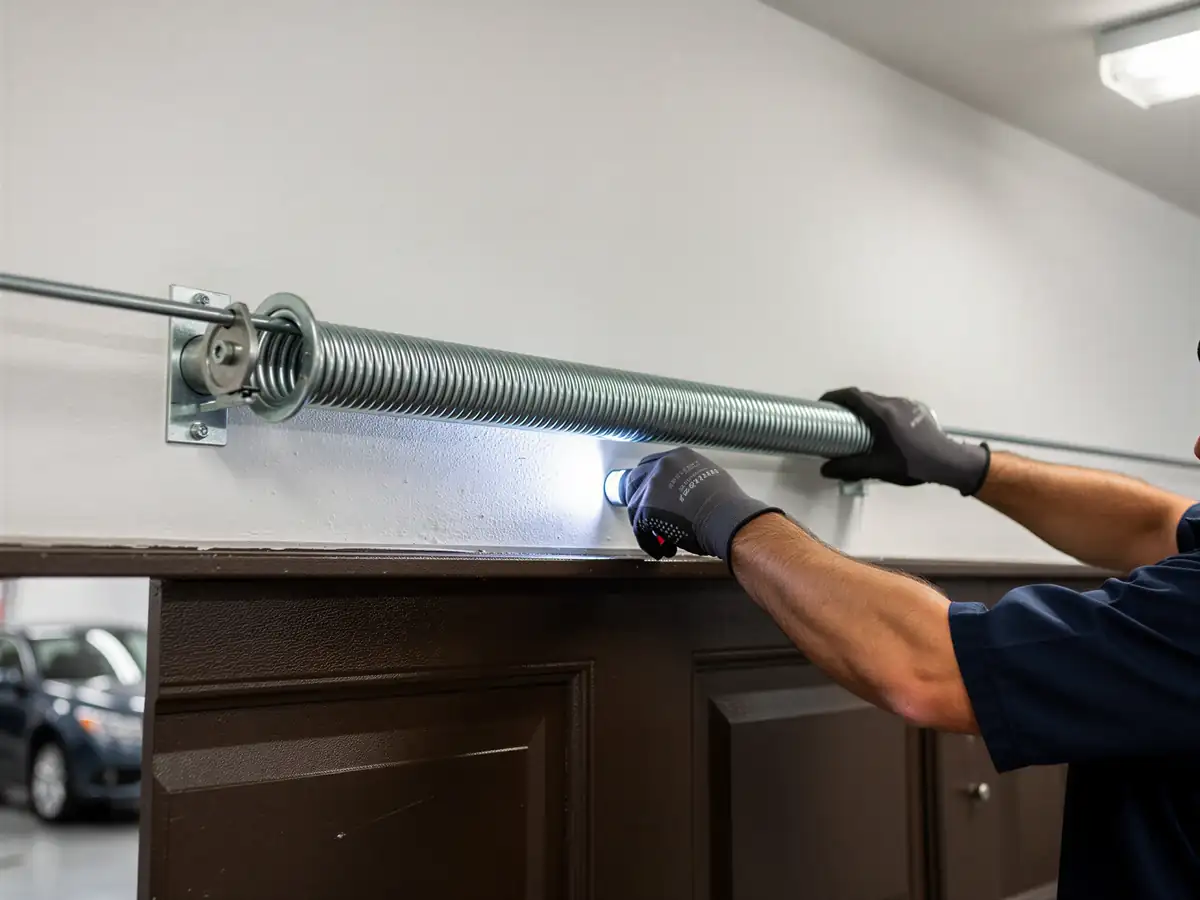
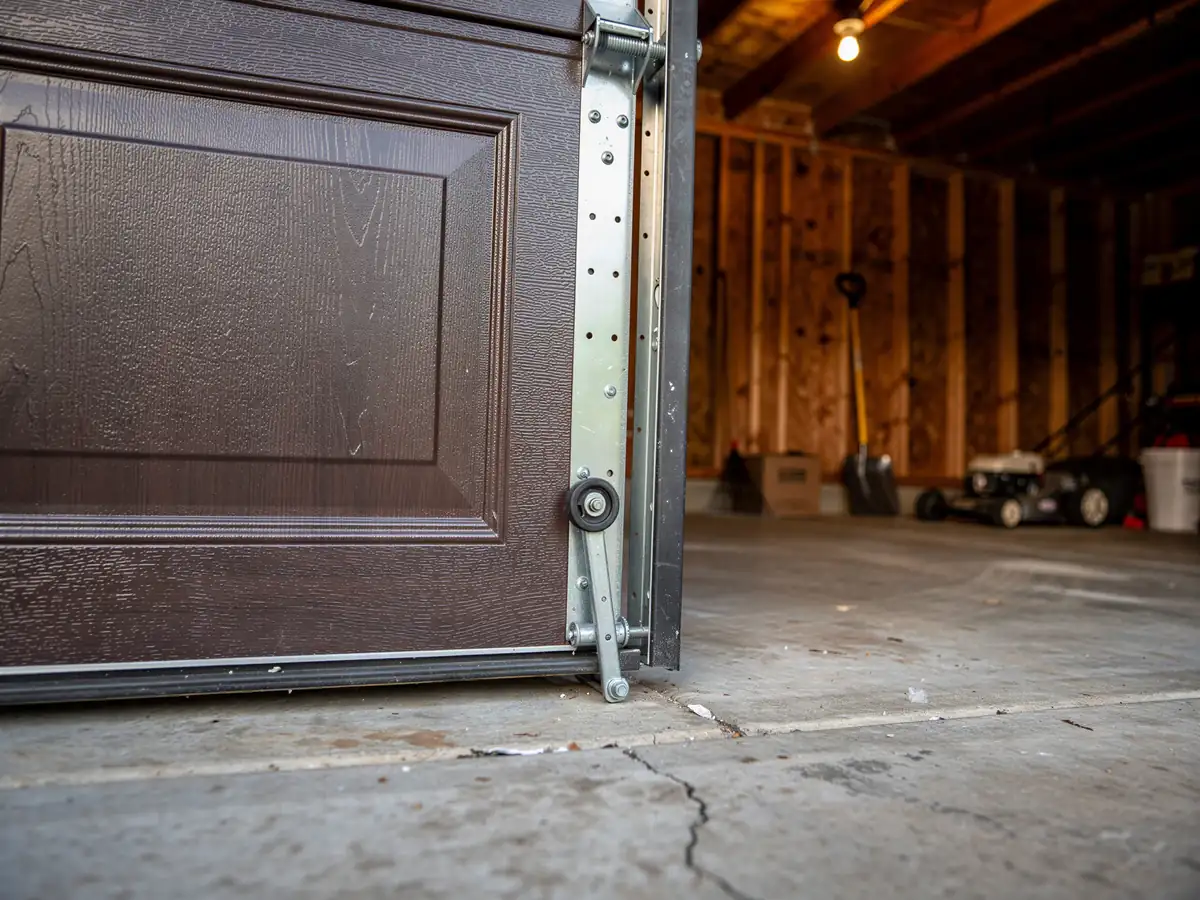
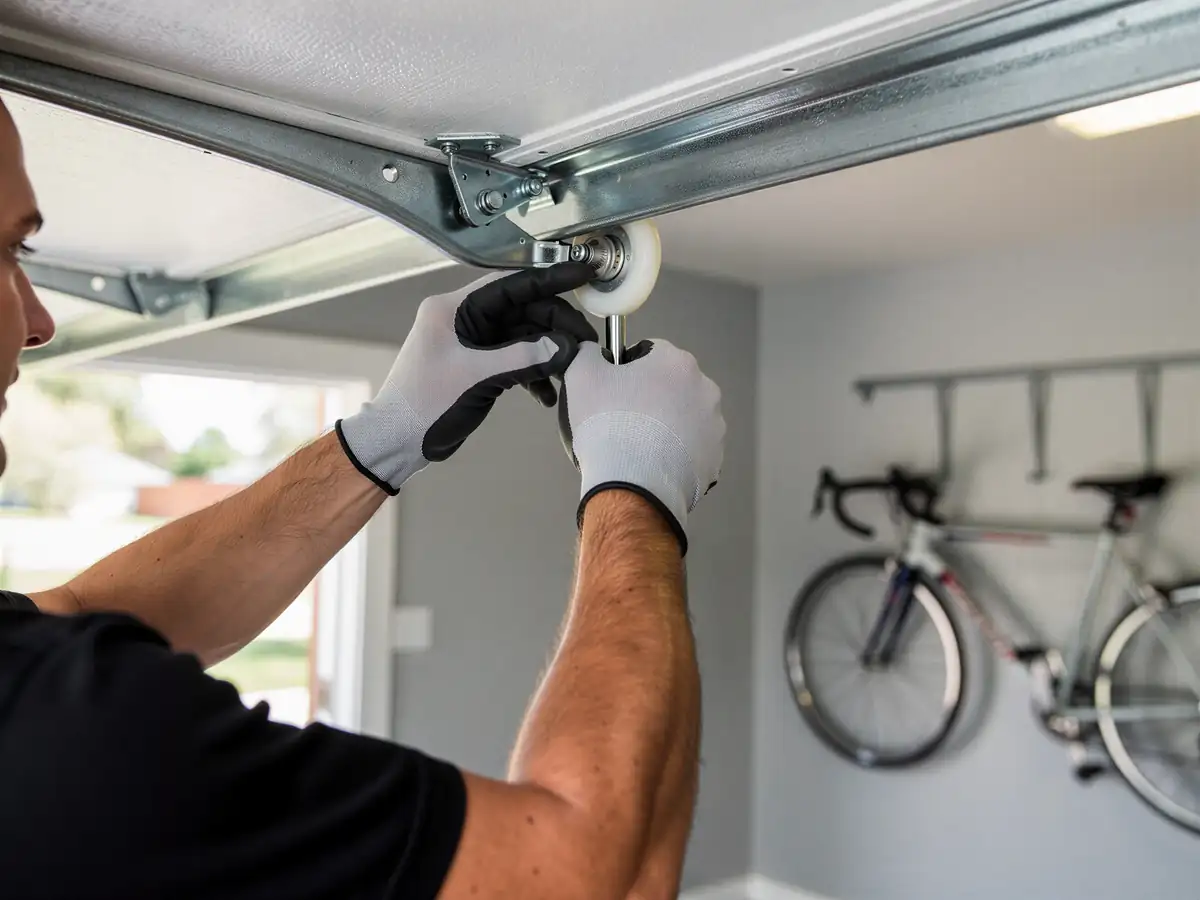
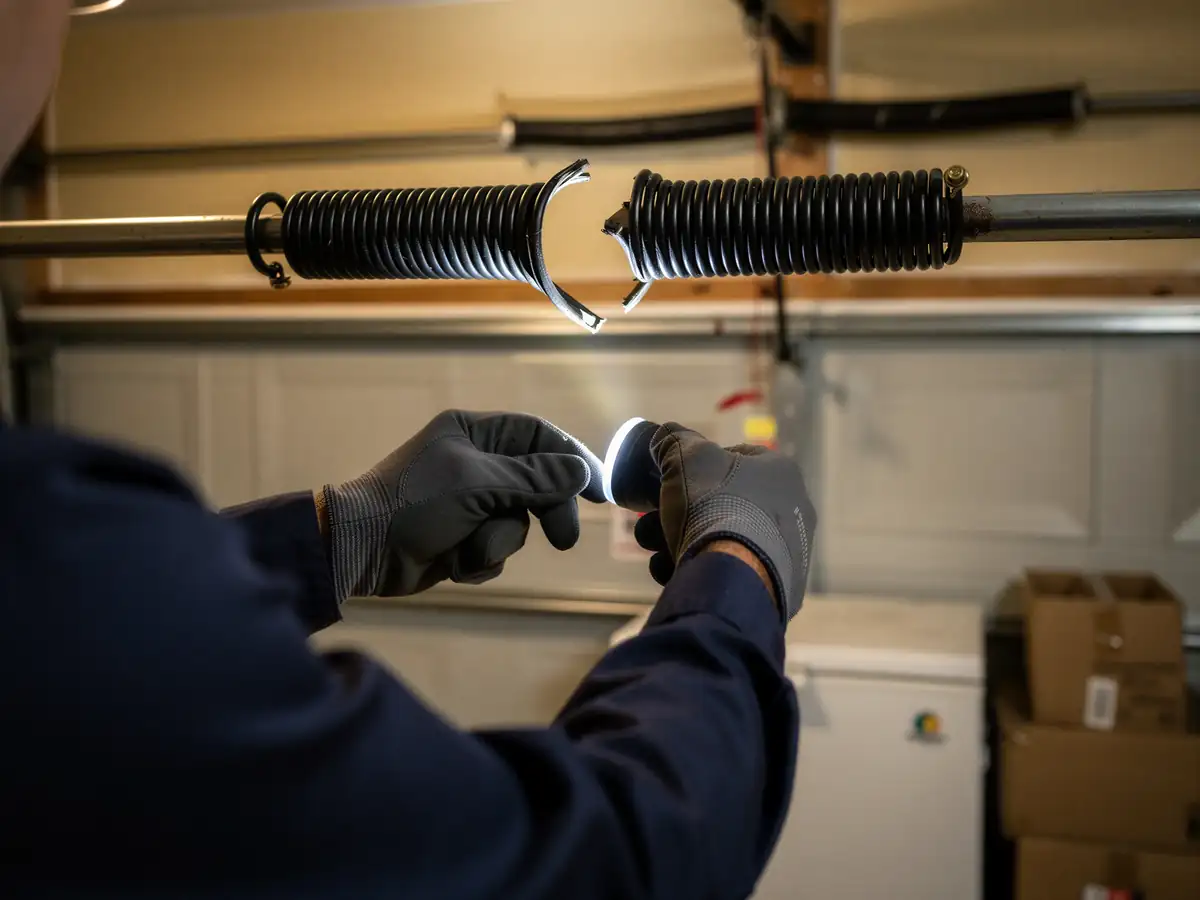
Most of the housing stock in this service area went up between 1979 and 2006, with a median build year around 1994. That means a lot of doors, springs, and openers that are now thirty to forty-five years old, installed in the same narrow window and aging out at the same time. North Las Vegas sits in a climate band classed as severe heat, and heat does specific things to a garage door that cold never gets blamed for here. Steel torsion springs lose temper faster when they cycle through high daytime heat and then cool at night - that expansion and contraction fatigues the coil quicker than the manufacturer's rated cycle count assumes. Nylon rollers, especially the originals from 1980s and '90s builds, go brittle and crack rather than wear smooth. Lubricant on tracks and hinges breaks down and gums up faster in sustained heat, which is why a door that rolled quiet in spring starts grinding by August. None of this is dramatic - it's slow attrition on hardware that was never swapped out. The six named areas with this same era of stock, from Sunrise Manor out to Summerlin South, are all carrying the same clock on the same parts.
When to Call Someone
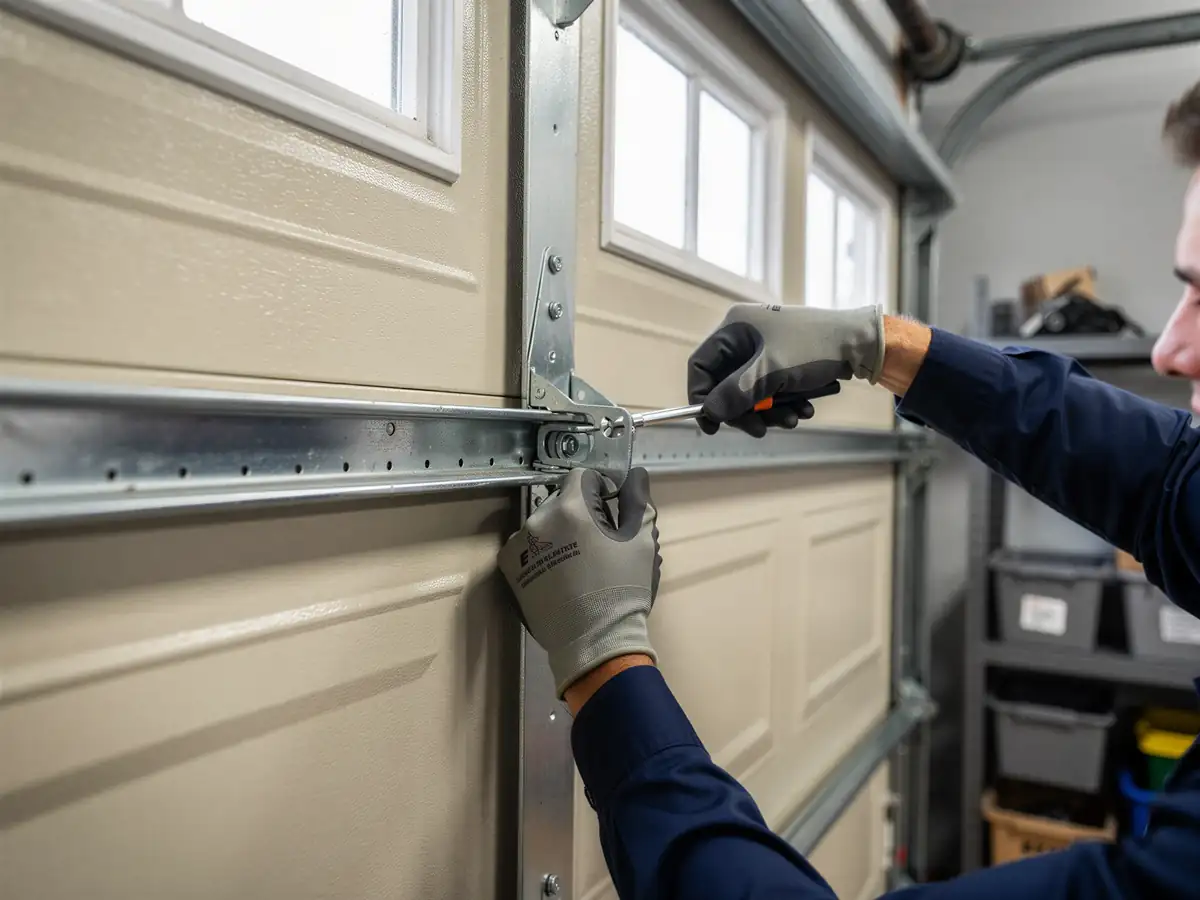
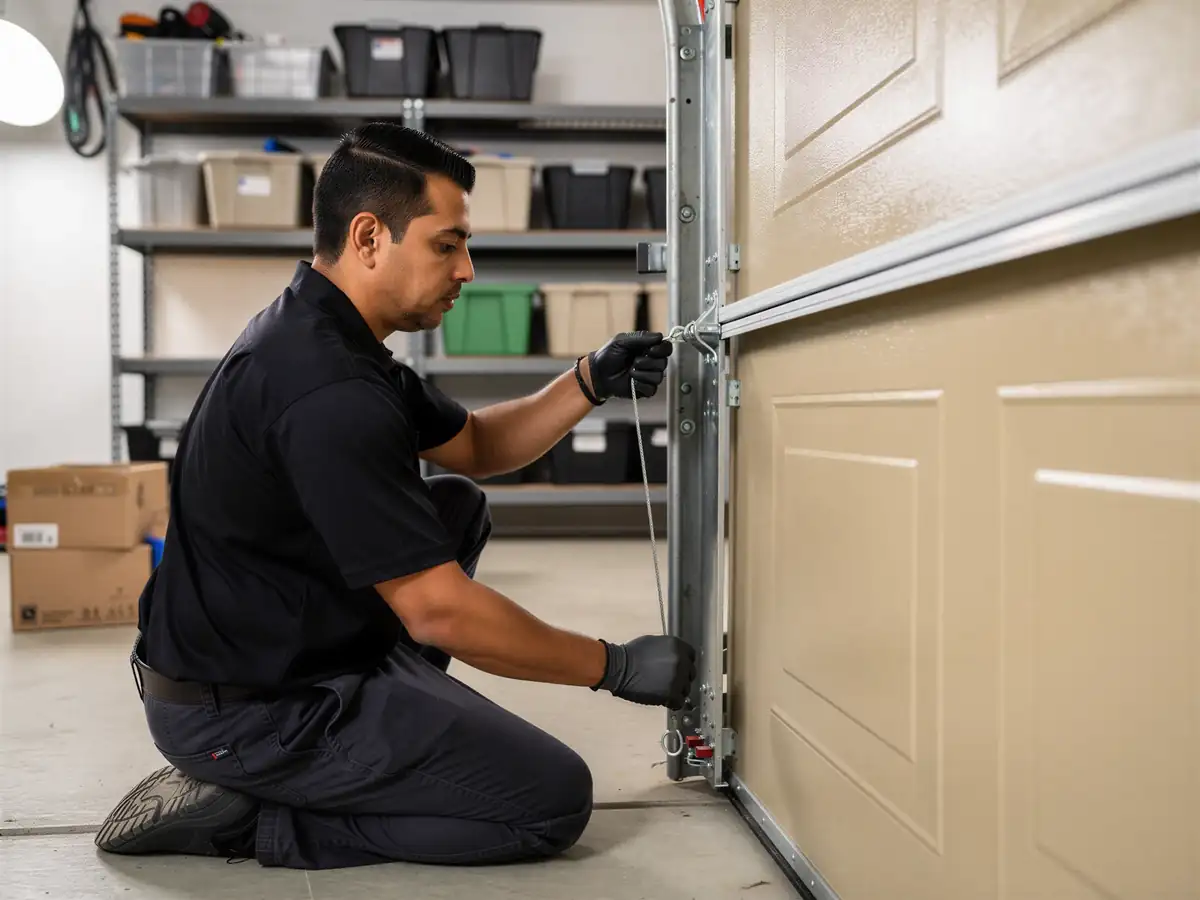
Call before the spring snaps, not after. A torsion spring under heat-fatigued stress usually gives warning: the door feels heavier on manual lift, the opener strains and makes a new whining noise, or you notice one side of the door tilting a half-inch as it travels. That tilt means a cable or spring is losing tension unevenly, and it gets worse fast once it starts. If the door reverses on its own partway down, that's the opener's safety sensor reacting to something - heat-warped track alignment is a common cause in houses from this era, since steel track expands slightly in sustained high temperatures and can pull a hair out of plumb over the years. If you hear a loud bang from the garage and the door won't move at all, that's very likely the spring and it's not a DIY fix - torsion springs under load can cause real injury. A door that opens fine but is just noisy and slow isn't an emergency, but it's also not nothing. Catching the roller and lubrication wear before it becomes a cable issue is cheaper every time.
What You Pay
We don't have a price list to hand you here, and giving you a number without seeing the door would be a guess dressed up as a quote. What drives the cost on most jobs in this area is the same handful of variables: whether it's a single or double door spring, whether the opener needs replacing alongside the spring or just the spring itself, and how much the heat has already done to rollers, hinges, and track alignment beyond the one obvious failure. Median household income across the service area runs around $61,177, and most homeowners we talk to want a straight answer on repair-versus-replace before they commit, not an upsell. One honest limitation: if your opener is original to a 1980s or '90s build, parts for it may be discontinued, and a repair quote can turn into a replacement conversation fast - that's not us padding the job, that's the part not existing anymore.
The Situation
Across the service area there are 271,542 households and 70,779 owner-occupied houses, a lot of them built in that same 1979-2006 stretch with a median year of 1994. That's a large number of torsion springs, openers, and rollers installed within a few years of each other, which means the wear curve hits a lot of garages around the same time rather than spreading evenly. The six named areas carrying this stock - Sunrise Manor roughly eight miles out, Winchester at eleven, Whitney at thirteen, Paradise at fourteen, Spring Valley at seventeen, and Summerlin South at eighteen, with ten miles south - all sit in the same severe-heat band and all got their original garage hardware in roughly the same era. It's not a crisis, it's just physics working on a predictable schedule. If your door is from the original build and has never had the spring or rollers swapped, the heat has been working on it the whole time whether or not it's made noise about it yet.
How it works
From “it’s stuck” to “it’s fixed”
01
Tell us what’s wrong
Describe the symptom - won’t open, loud bang, opener runs but the door won’t move.
02
On-site diagnosis
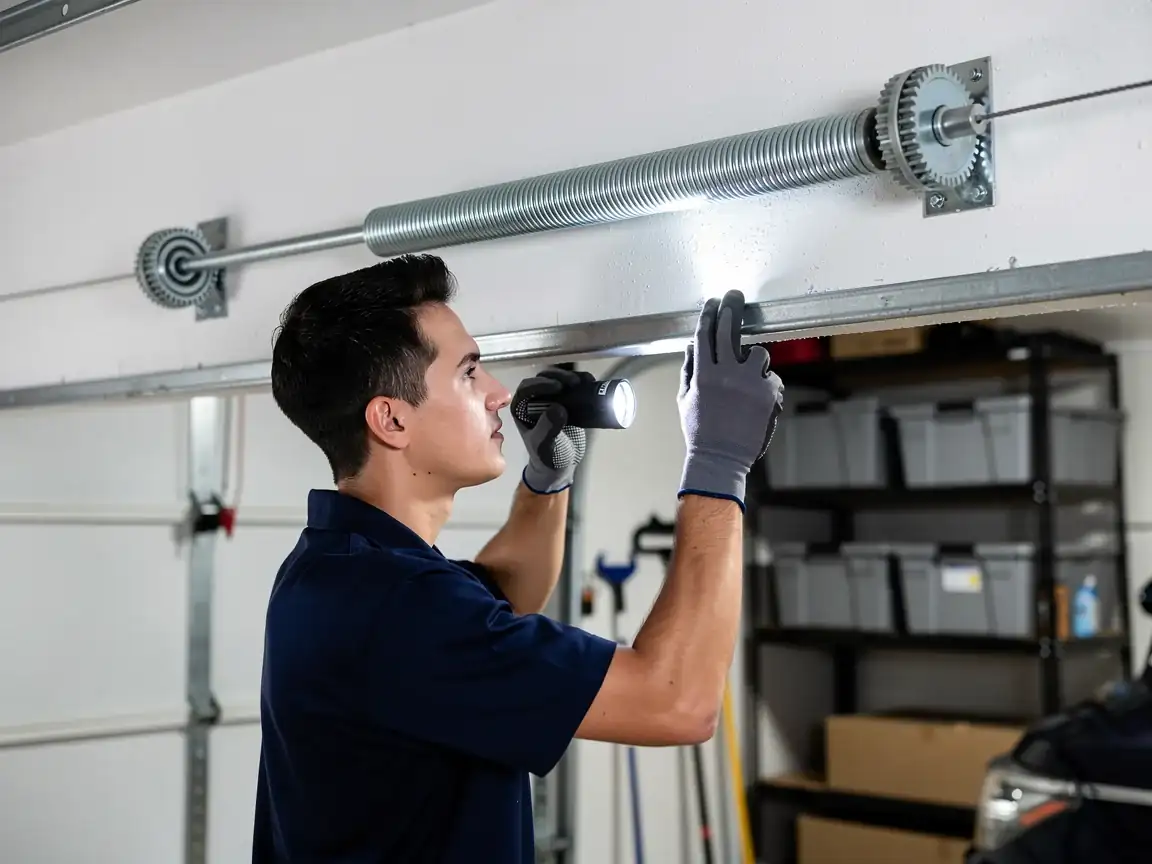
A technician tests the door under power and by hand and finds what actually failed.
03
Clear, up-front plan
You get the fix that’s needed and what drives the cost - before any work starts.
04
Repaired & tested
The repair is done, the door is set true and tested, and the work area left clean.
Not sure which repair your door needs in North Las Vegas, NV? Describe what it’s doing - every job starts with a diagnosis.
Why does my garage door spring keep breaking in North Las Vegas when it's not even cold?
It's heat, not cold, doing the work here. North Las Vegas sits in a severe-heat climate band, and repeated daytime heat followed by nighttime cooling fatigues a torsion spring's coil faster than its rated cycle count accounts for. If your house dates to the 1979-2006 build era common across this area, that spring is likely original and has been absorbing that stress for decades.
My house was built in the early 1990s - is the opener original too?
Possibly. With a median build year of 1994 across much of this area, a lot of openers are original equipment. If yours is, parts may be discontinued, and a repair call can turn into a replacement recommendation once we see what's actually failing inside the unit.
Is a tilted door an emergency?
Not usually an immediate one, but don't ignore it. A door traveling unevenly usually means a cable or spring is losing tension on one side, sometimes from heat-related track misalignment common in older stock here. It gets worse with use, so it's worth a call before it becomes a full failure.
Ready to get your garage door sorted?
Tell us what it’s doing and where you are in North Las Vegas - we’ll take it from there.