What That Means for Doors
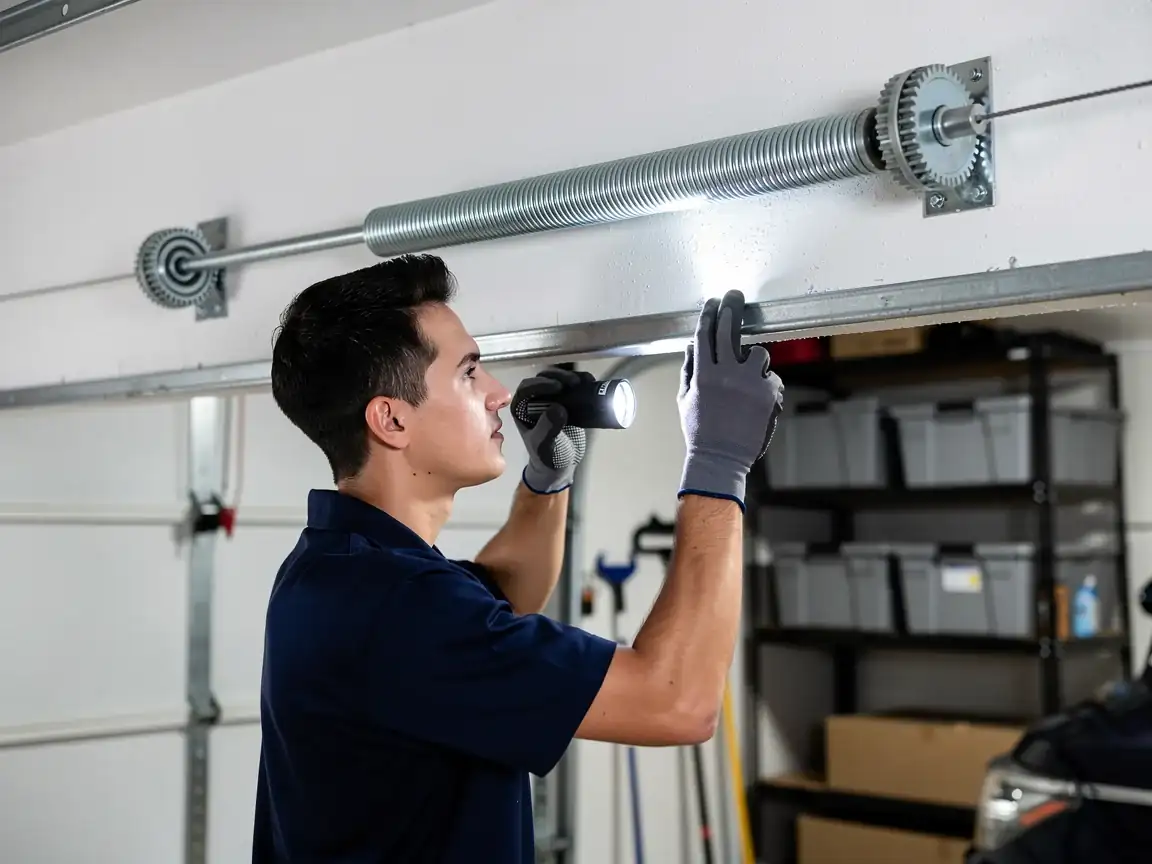
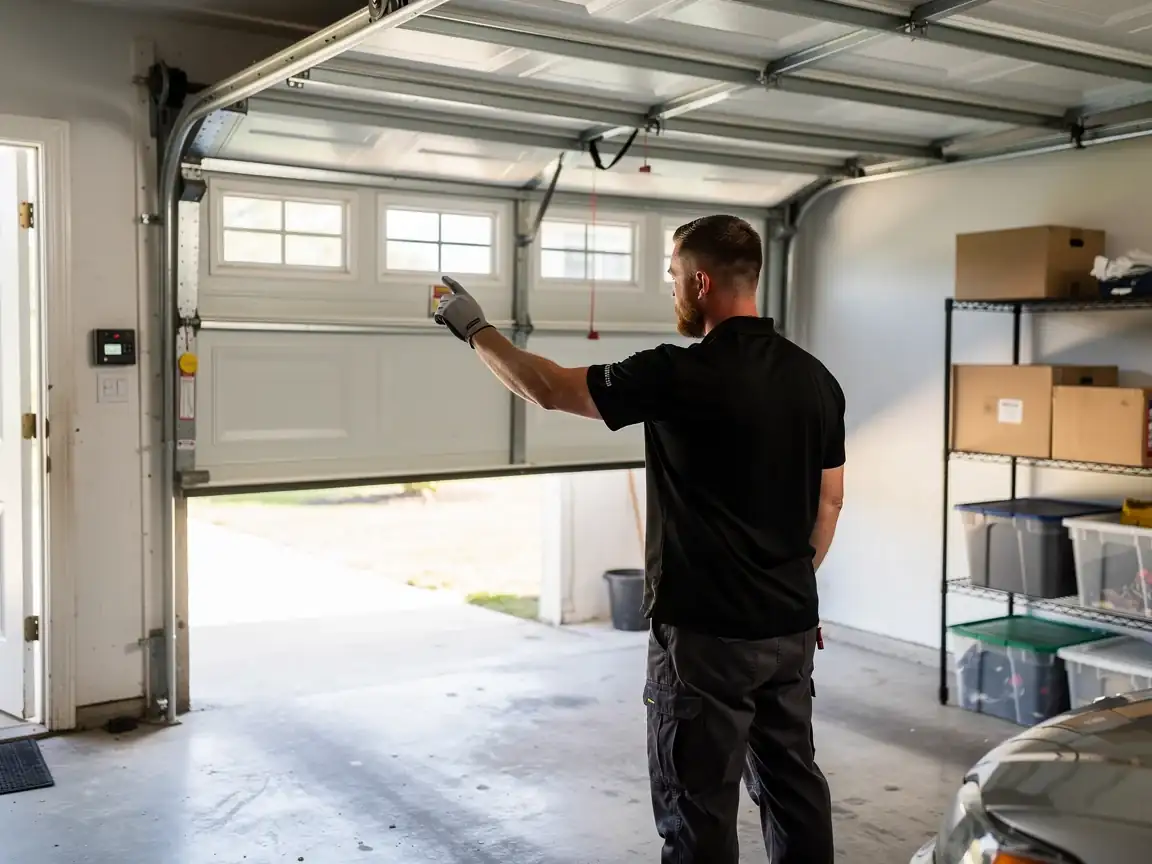
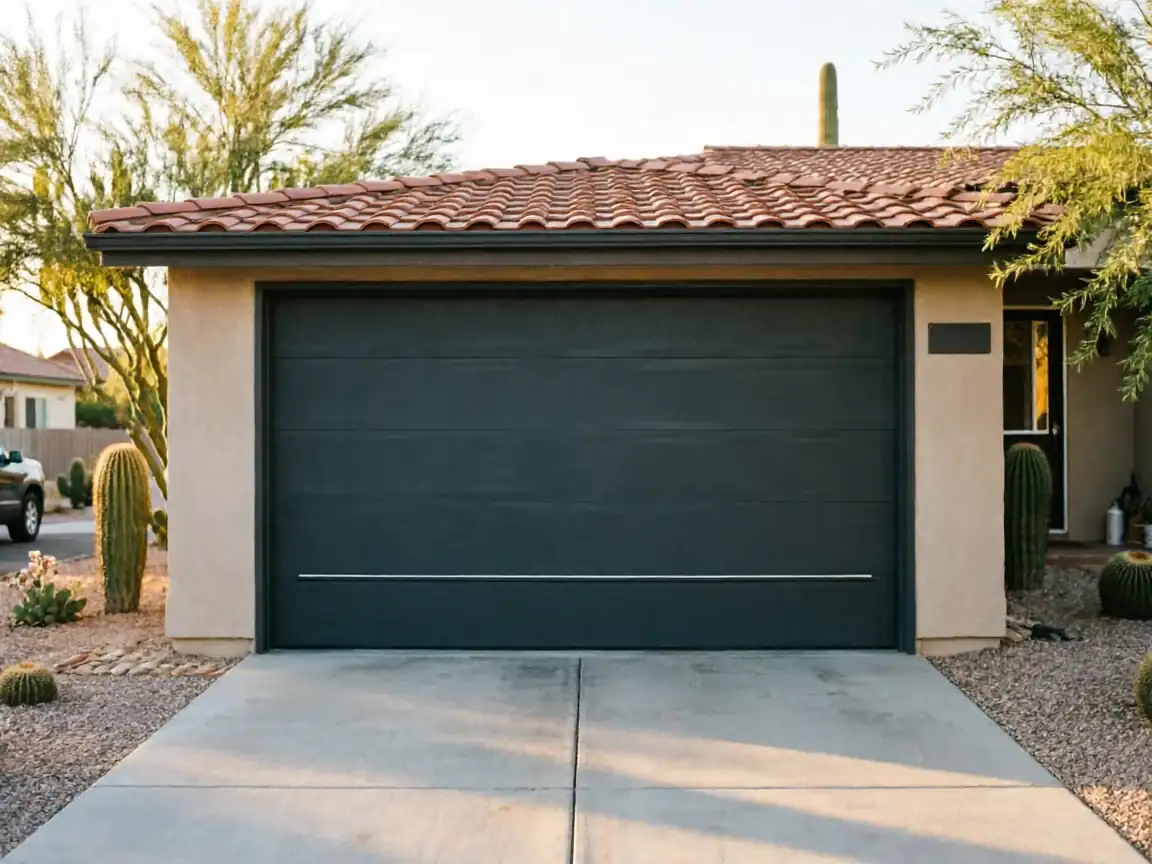
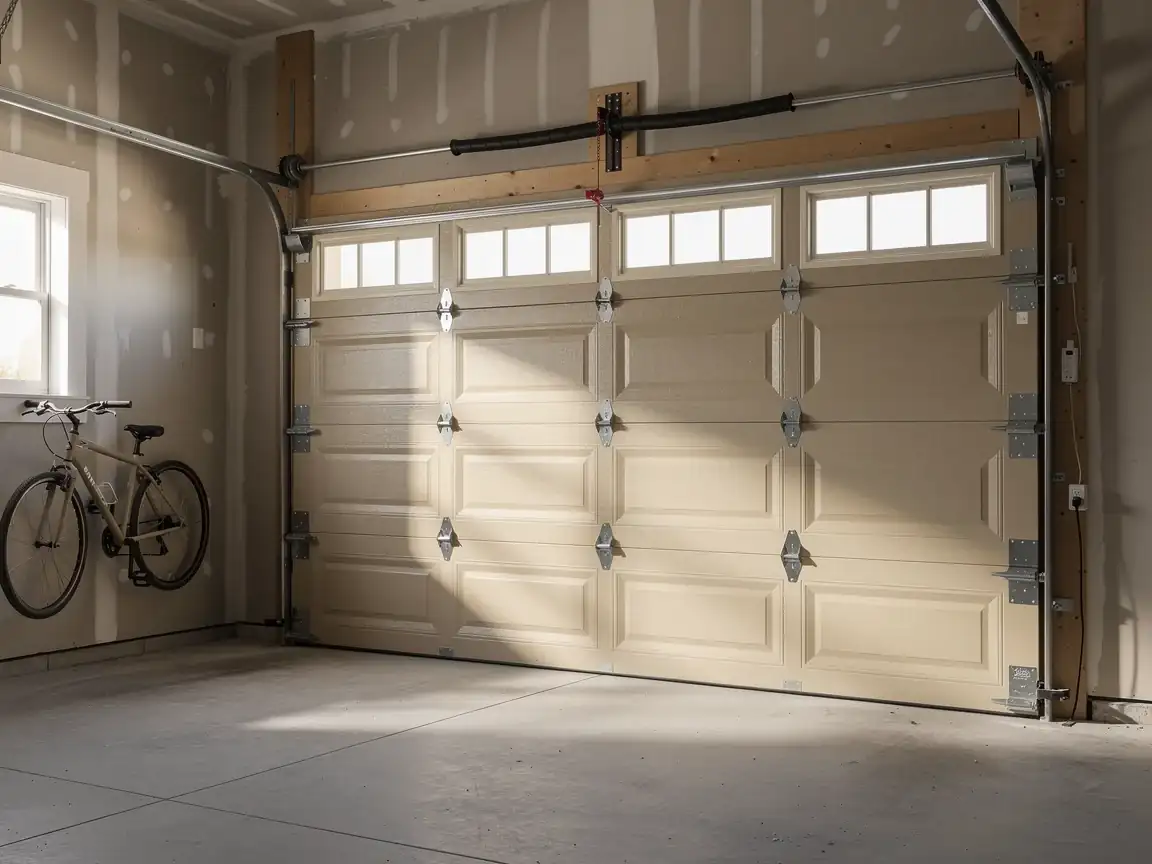
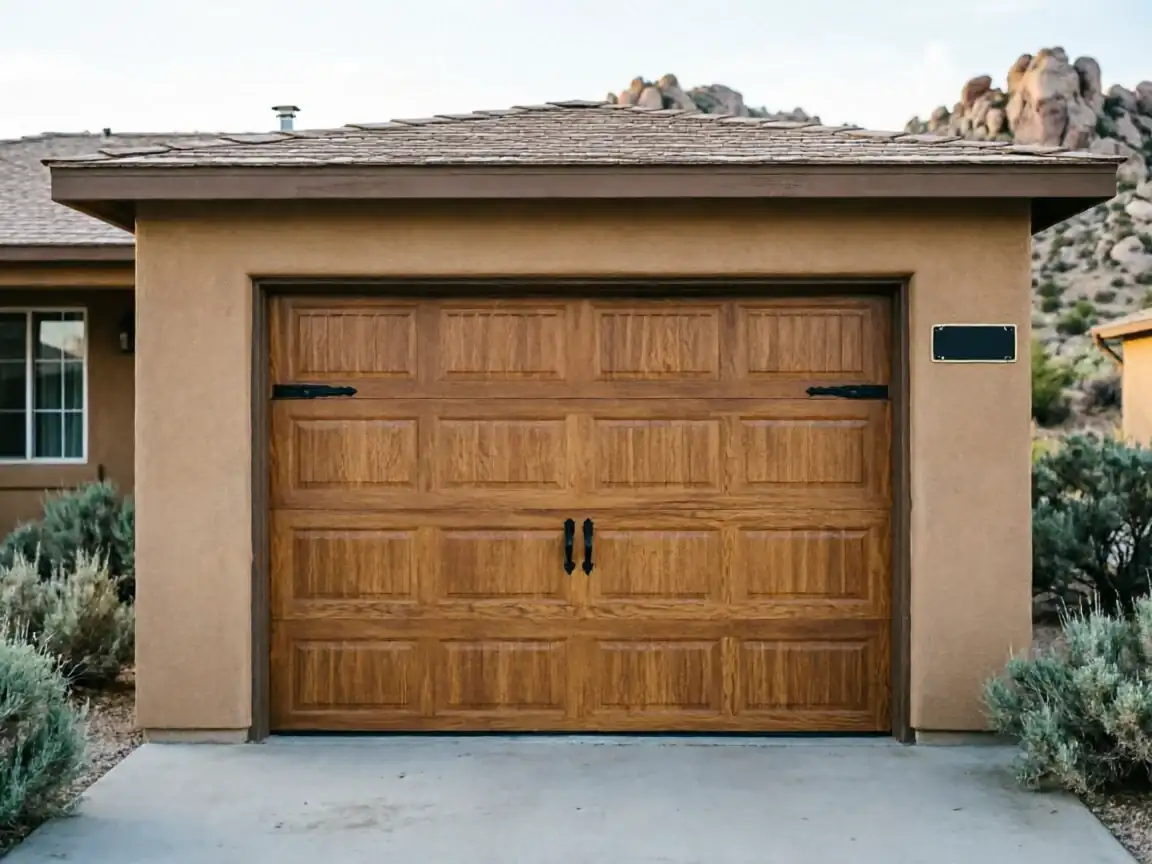
Older doors in a severe heat climate take a specific kind of beating. Steel panels expand and contract through triple-digit swings for years, and that stress finds the weakest point first - usually the spring, sometimes the weld seams on the bottom bracket. A 1979-era door built before current wind and heat-load expectations existed wasn't engineered for today's installation standards, so when a panel finally needs replacing, the full-width replacement panel for sale now often doesn't match the original dimensions. That's not a flaw in the door, it's just a mismatch of eras, and it's the kind of thing that turns a simple panel swap into a longer conversation about whether to patch or replace the section. We'll tell you straight when a repair is the better move and when it's throwing money at a door that's done.
The Houses Here
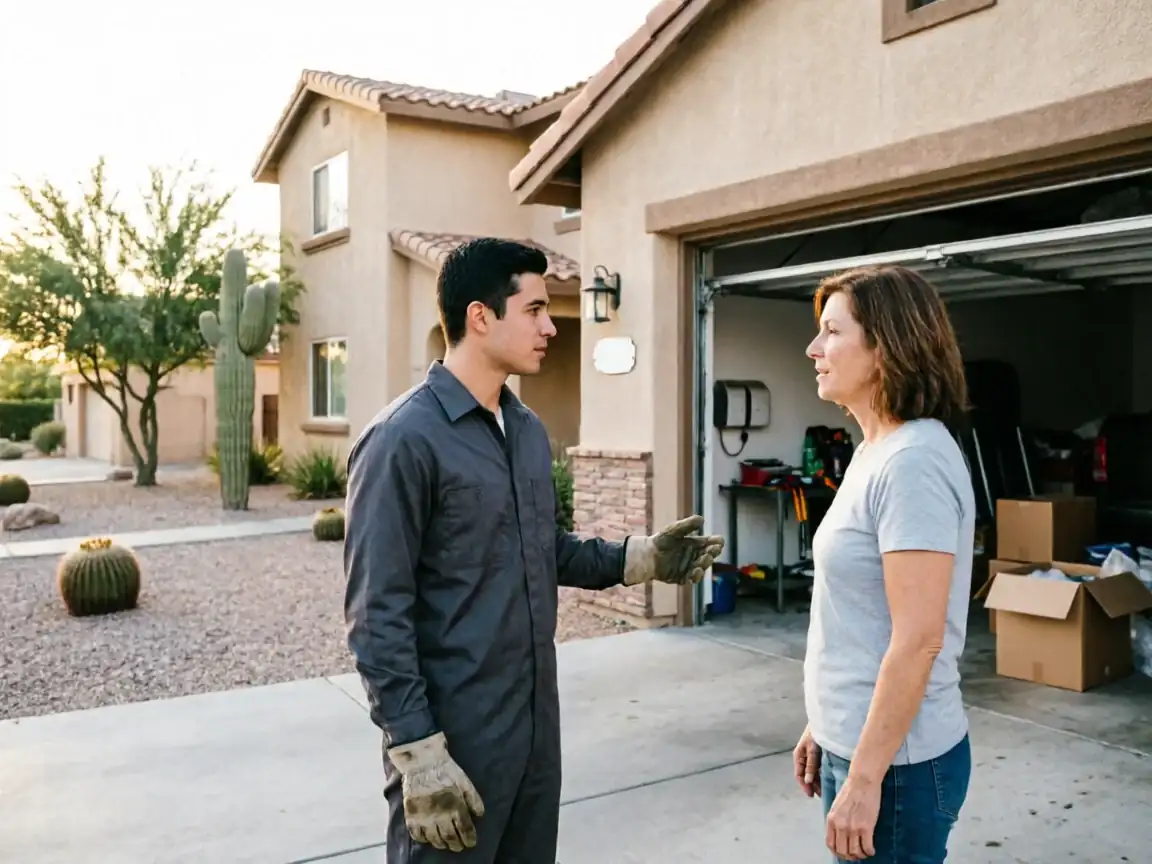
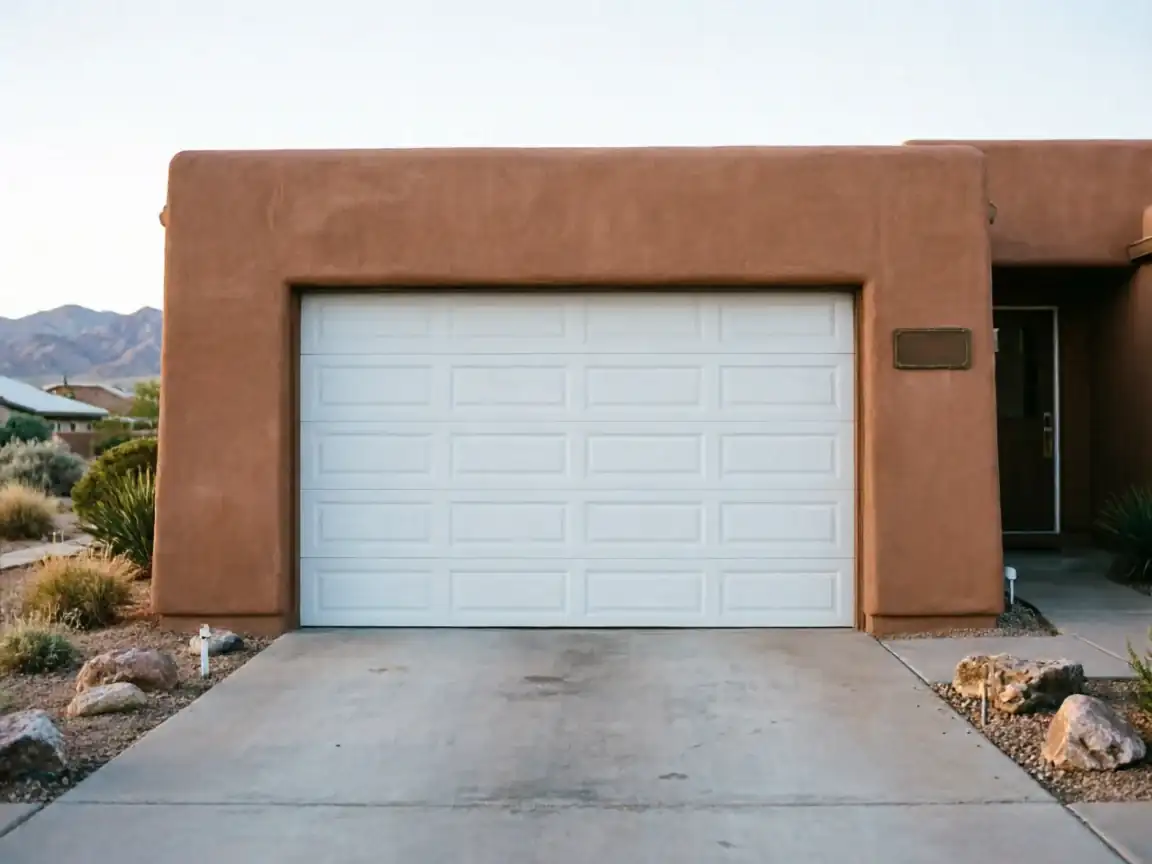
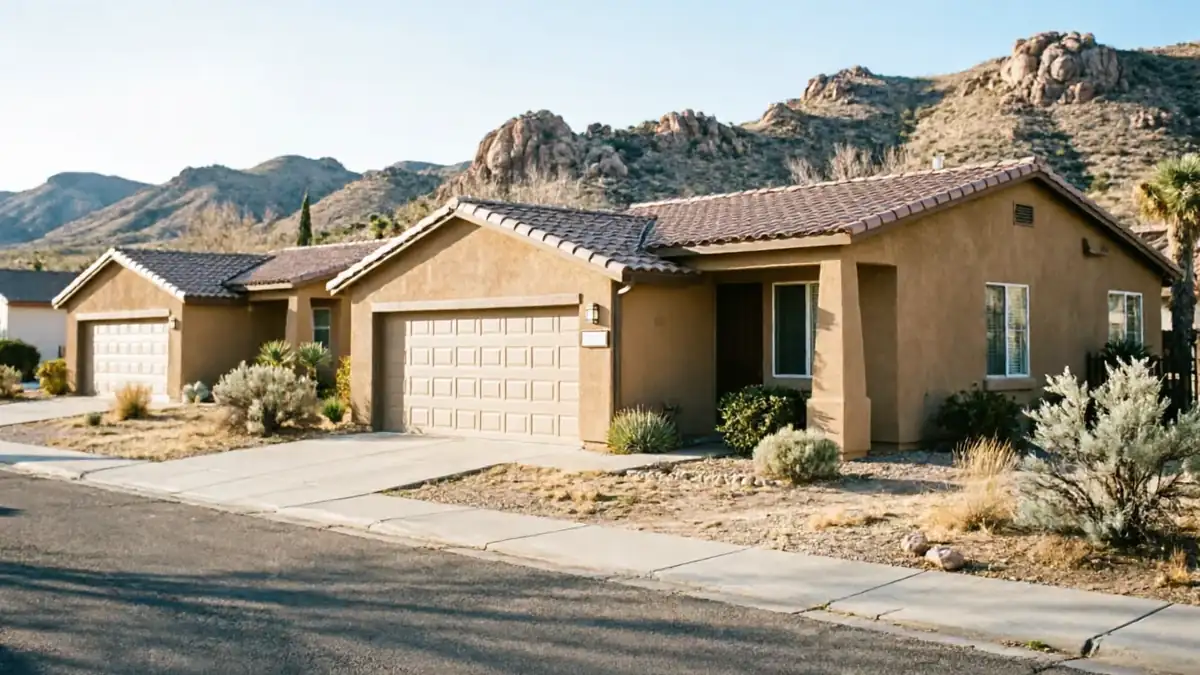
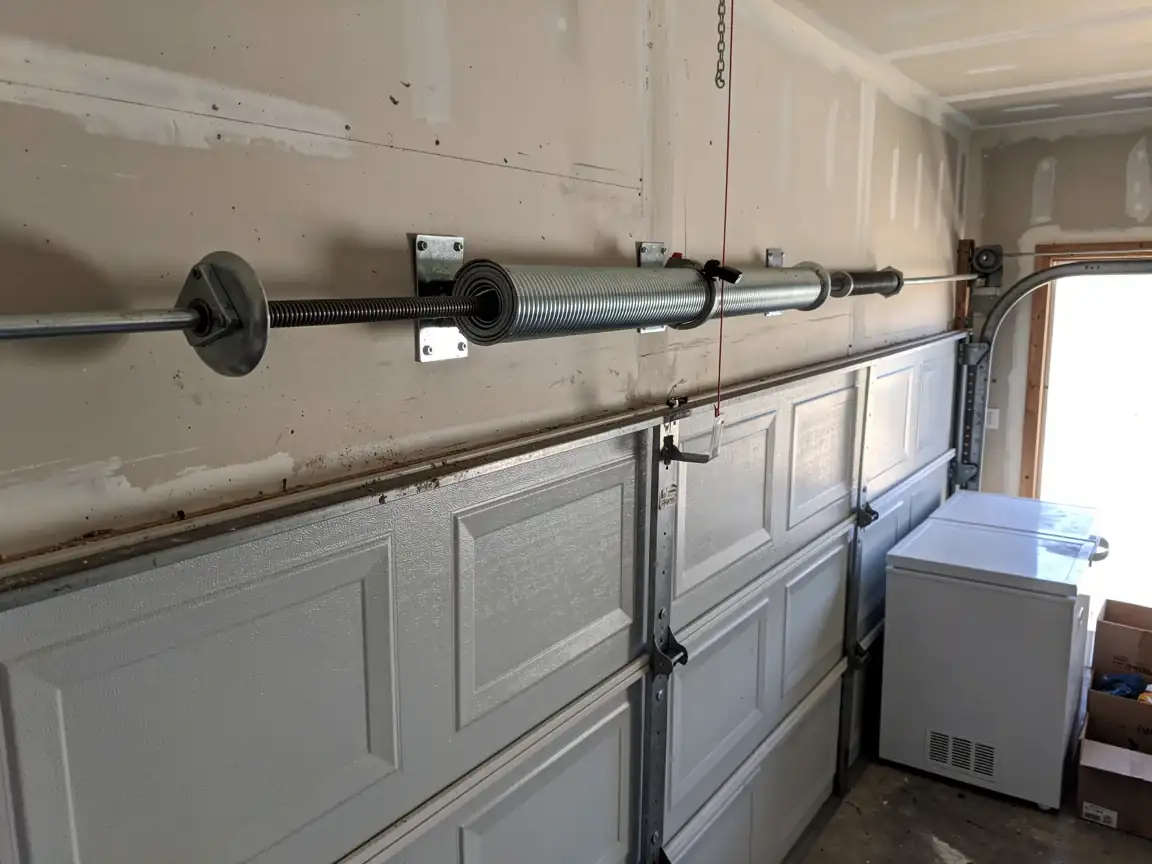
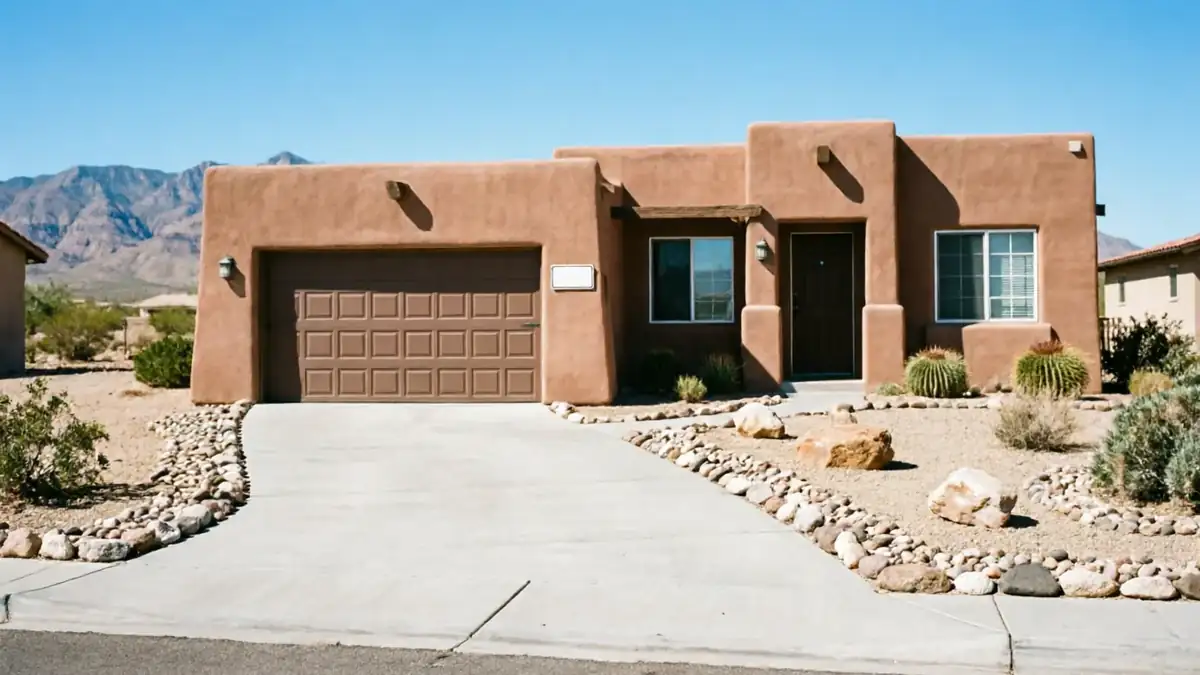
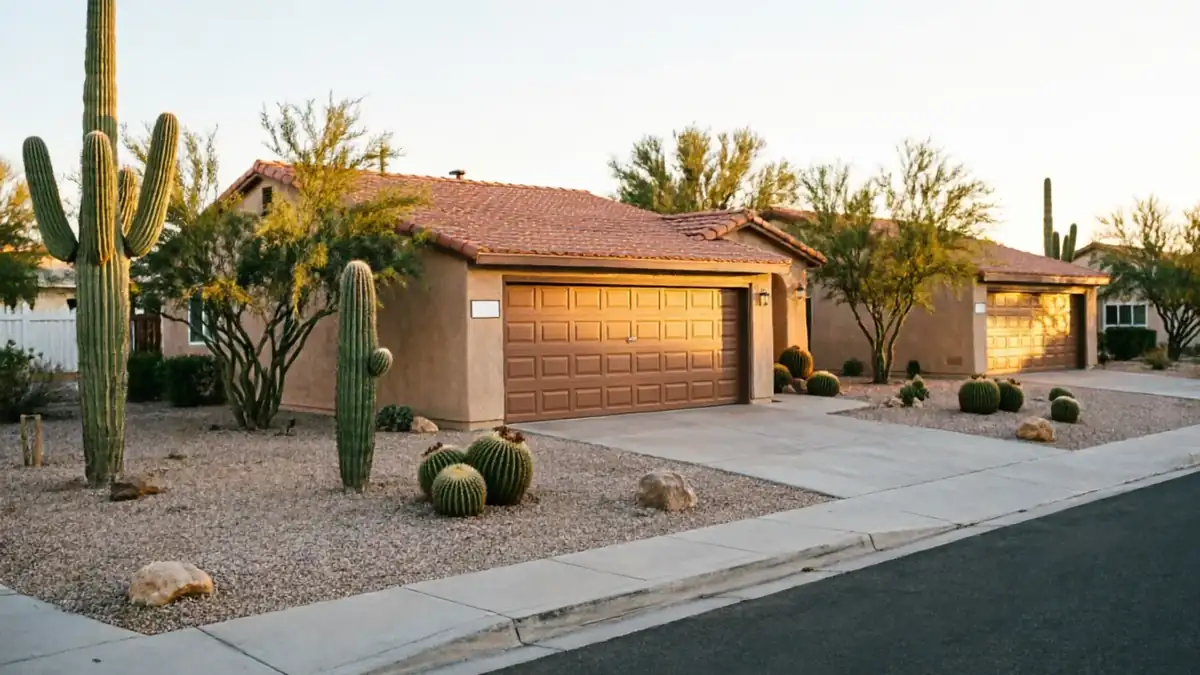
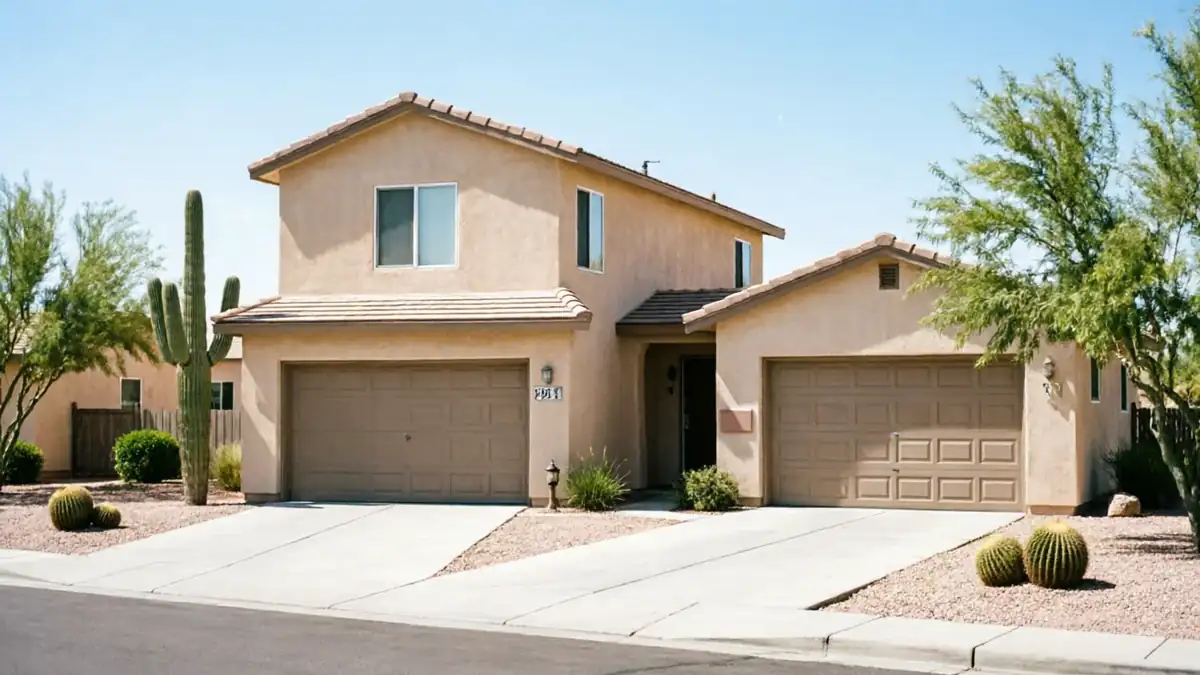
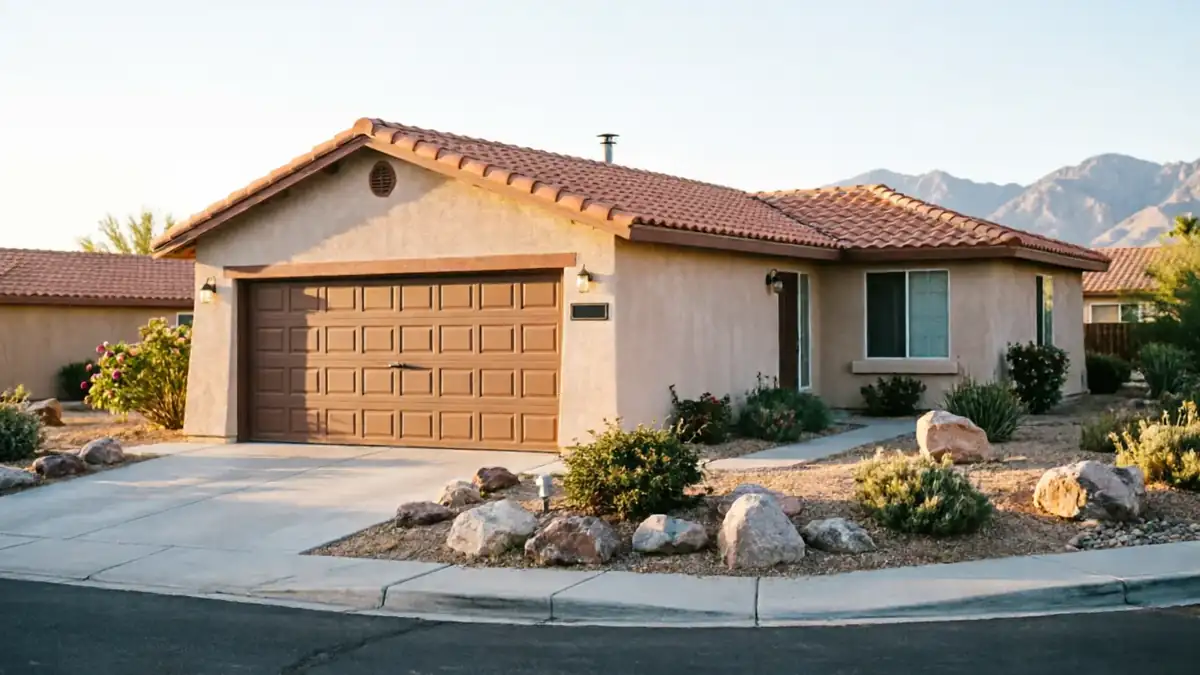
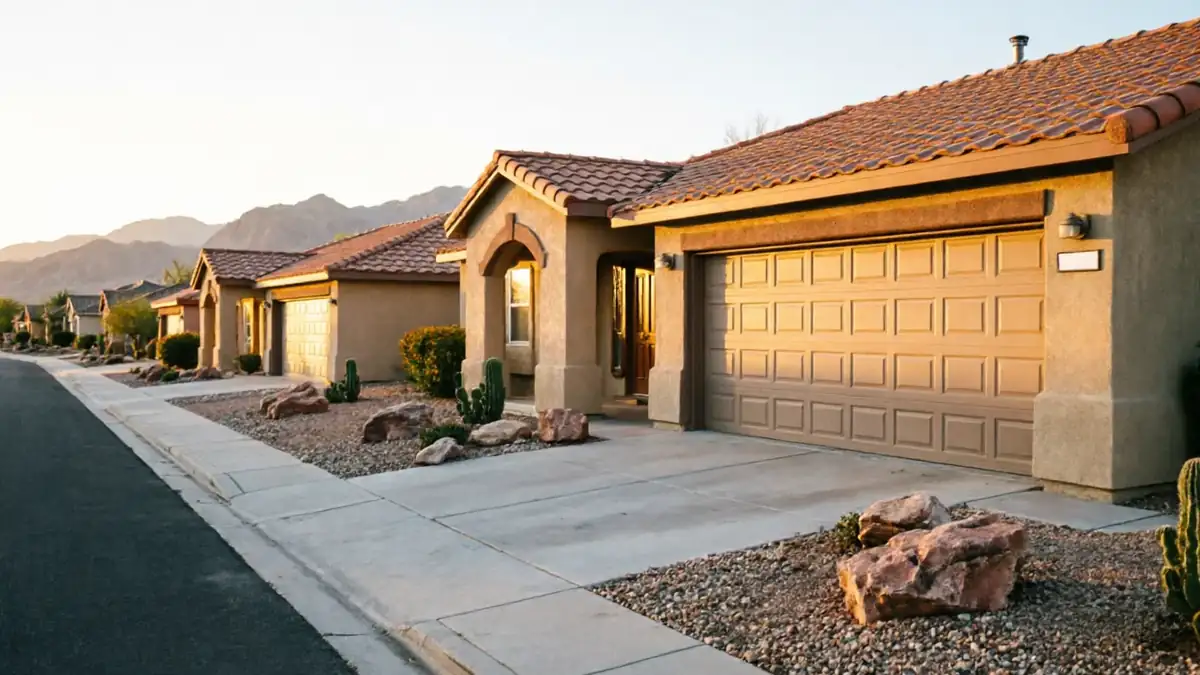
Winchester sits about 11 miles from our North Las Vegas base, and the housing here reflects an older build era than a lot of the surrounding service area, where median year built runs closer to 1994. With roughly 14,436 households in Winchester and a median income of $49,190, we see a lot of owners who want an honest repair-or-replace call rather than an upsell. Garages built in this stretch typically have single torsion springs sized for the lighter doors common at the time, which is a different setup than the dual-spring systems you see on newer double-wide doors elsewhere in the region. If your opener is original to the house, it's pushing fifty years old territory in some cases - worth knowing before you spend money chasing a problem that's really the motor, not the door.