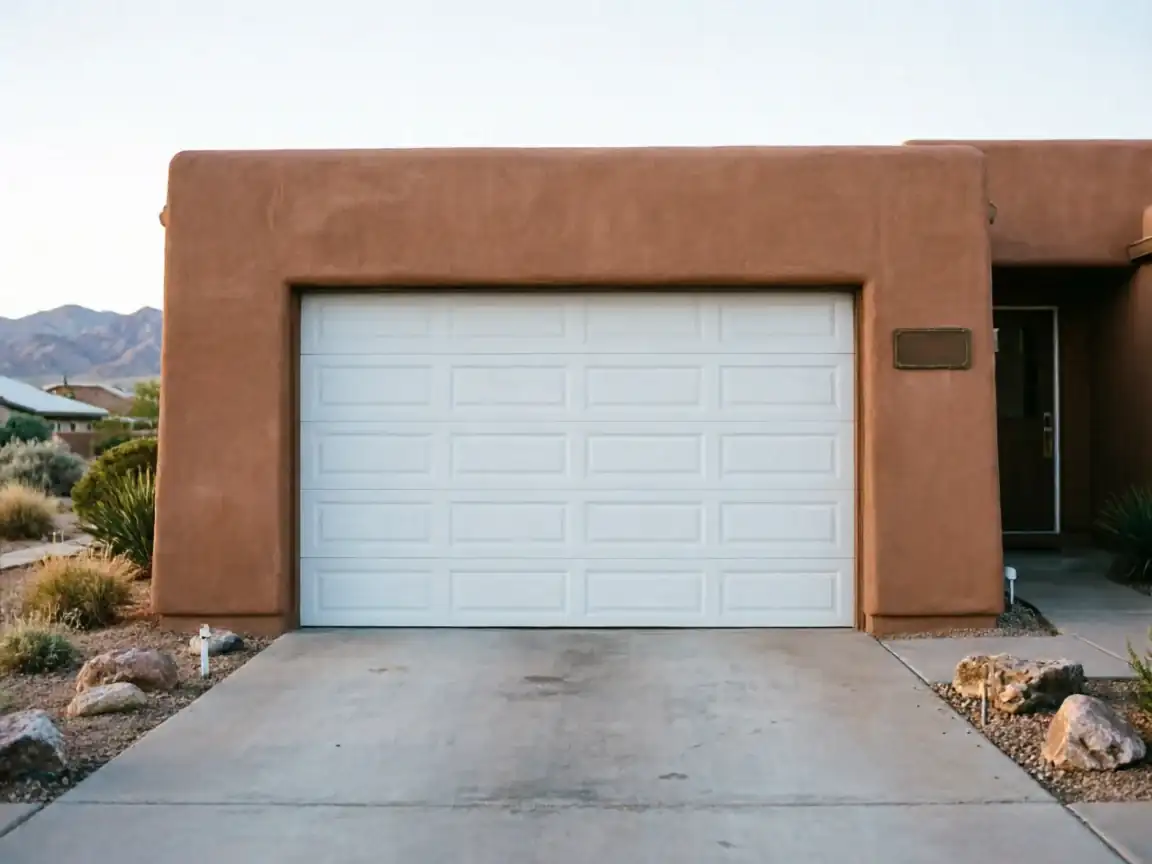
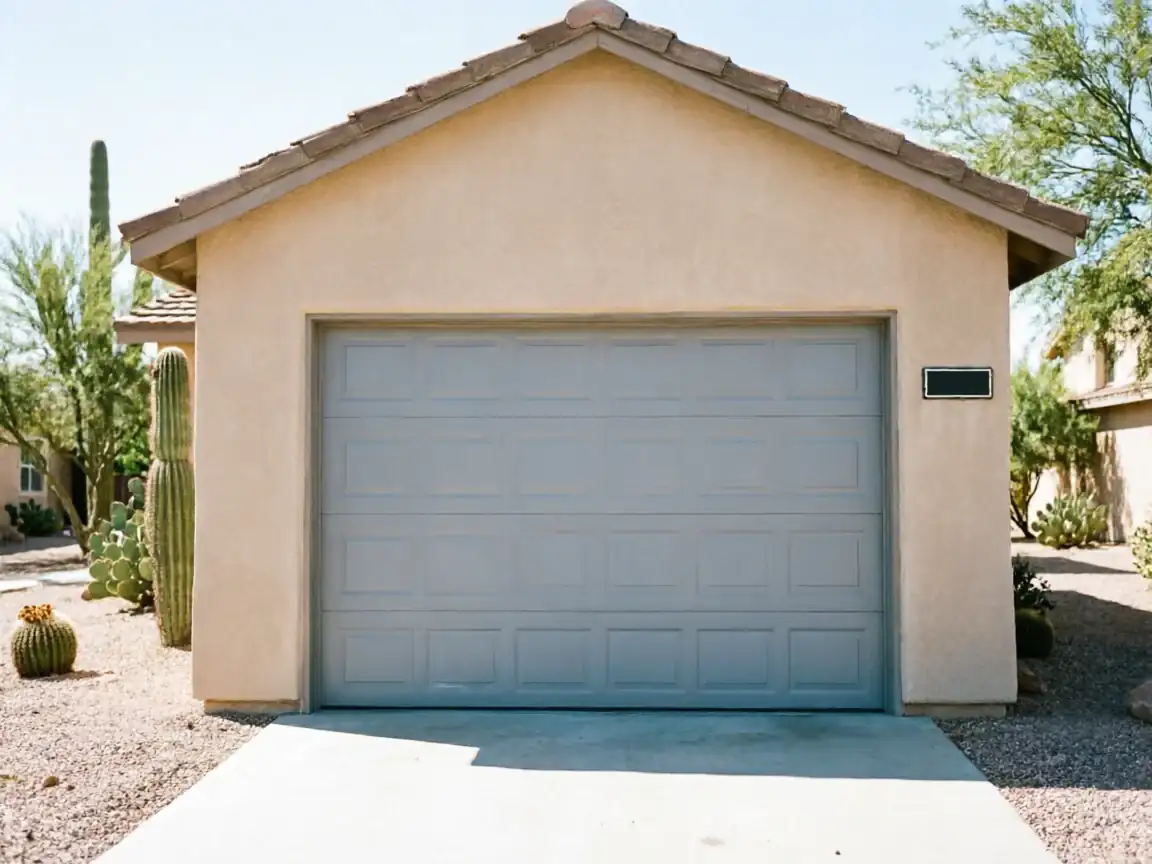
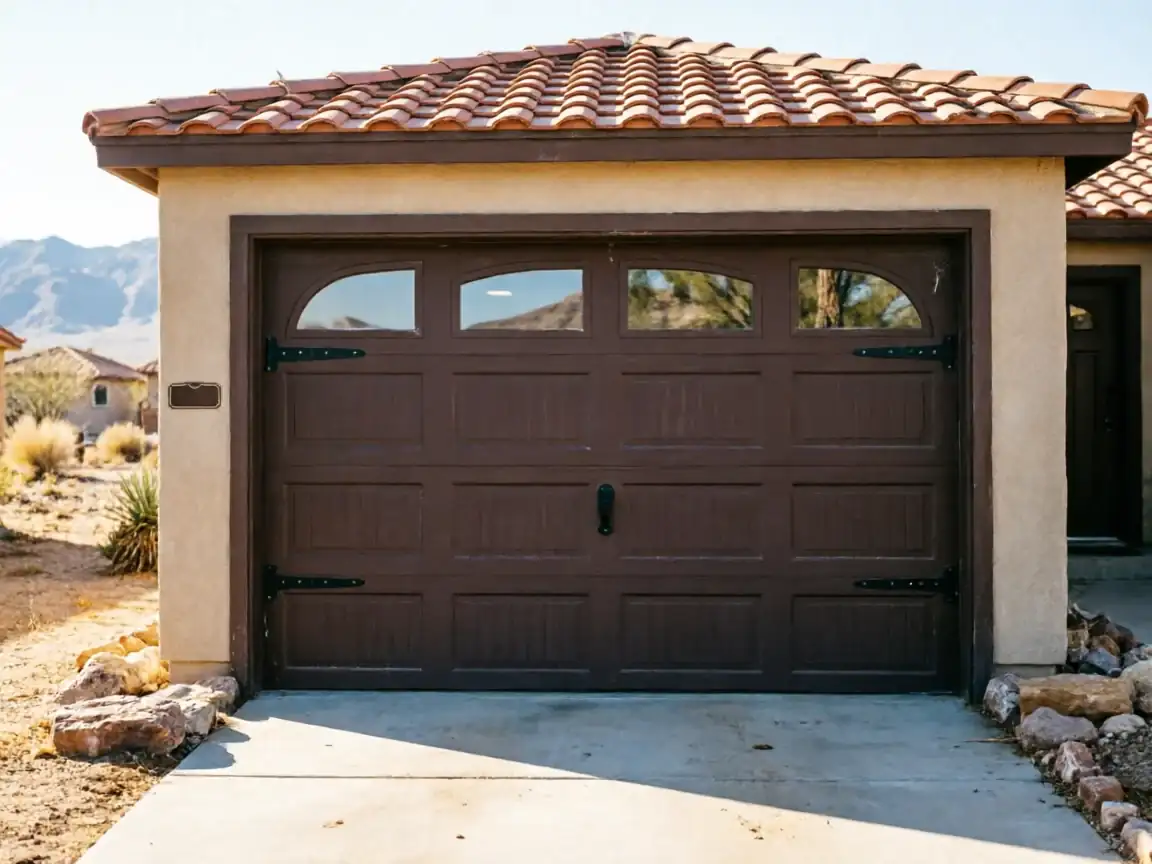
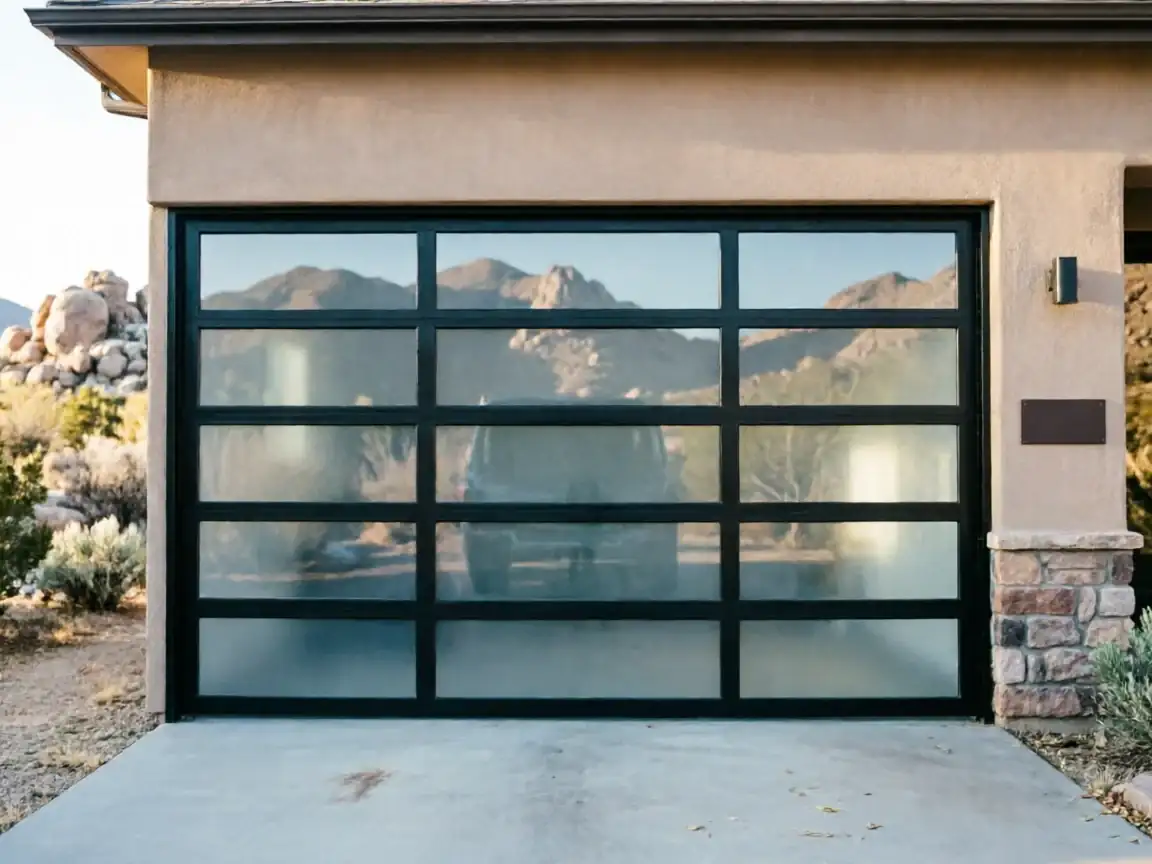
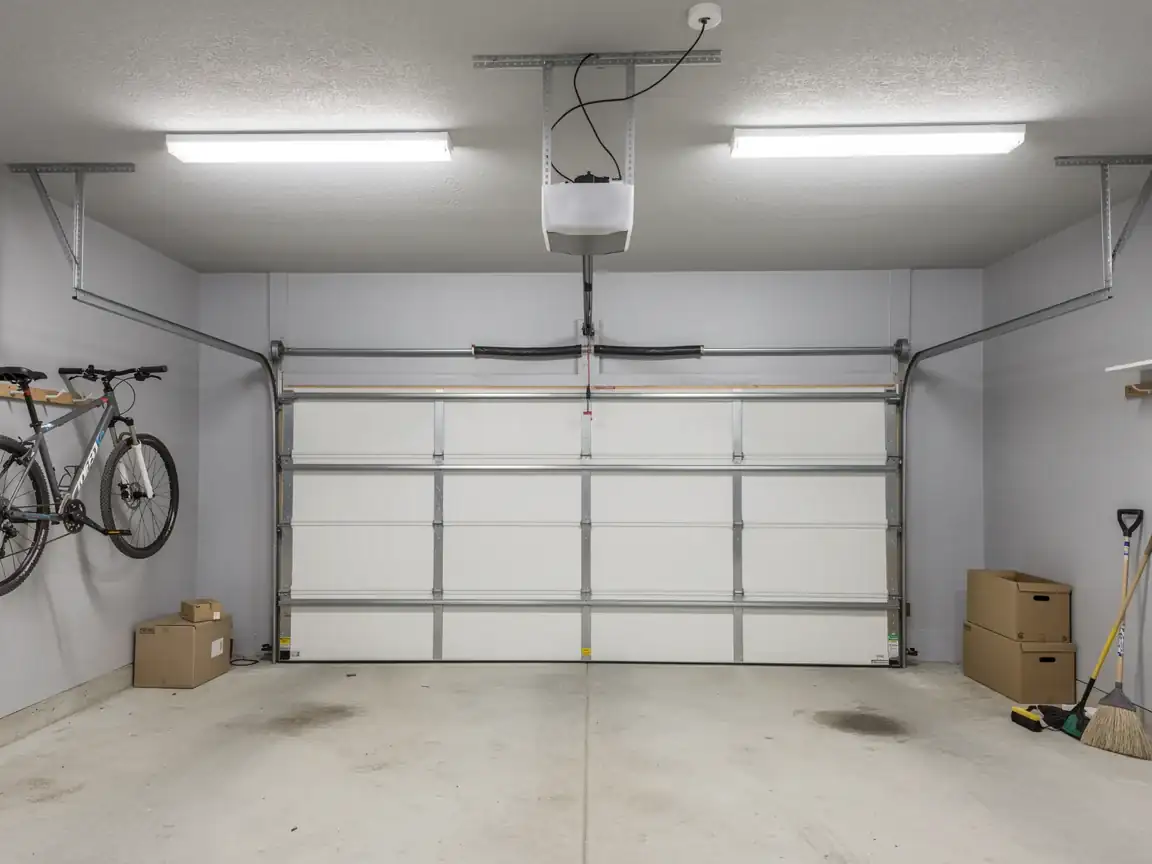
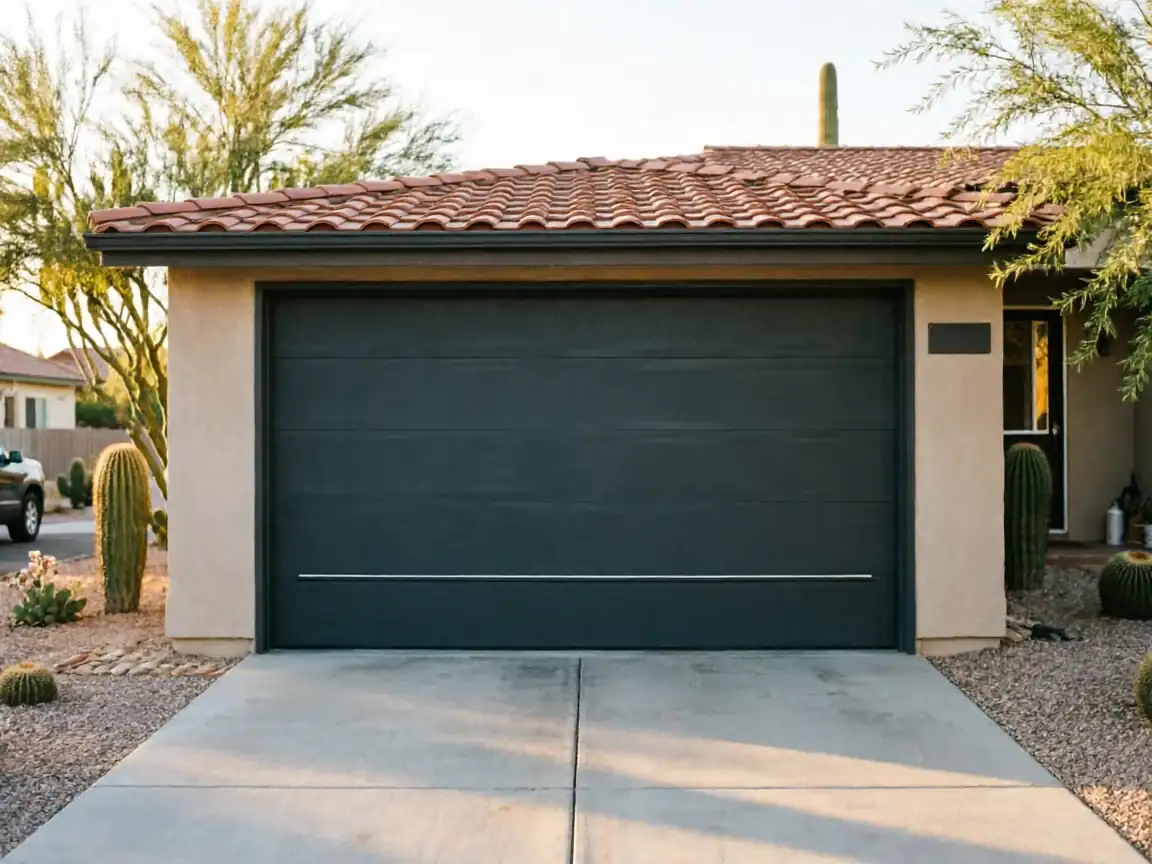
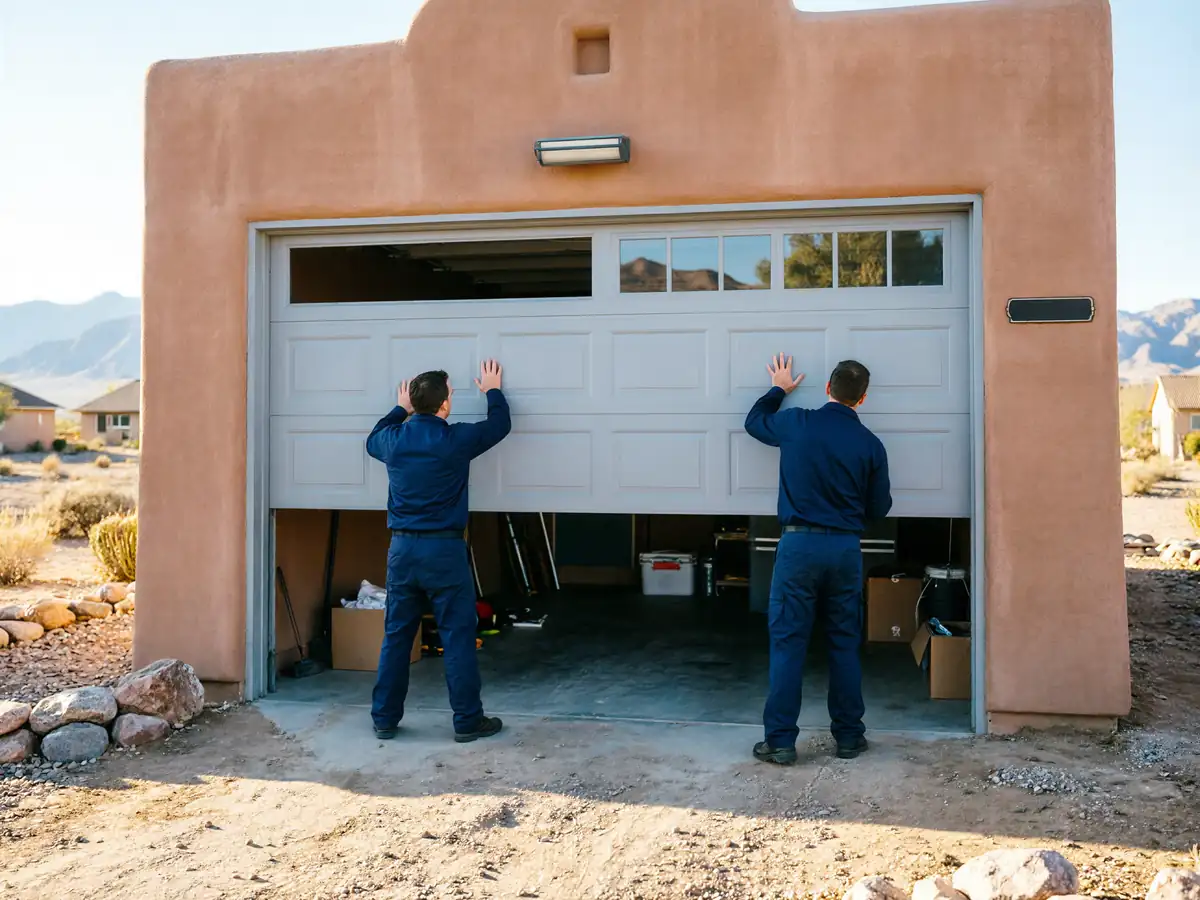
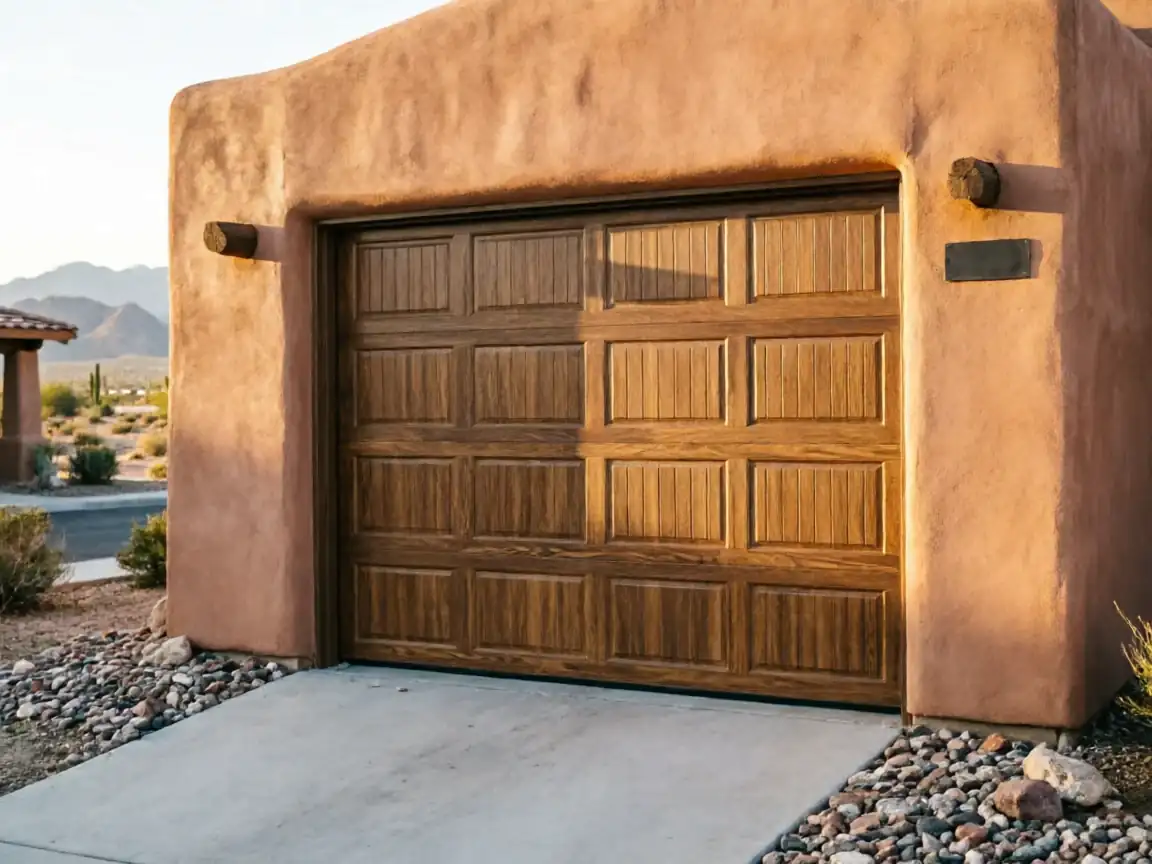
Whitney homes run newer than most of North Las Vegas's service area, built around 2002. That changes which cables fail and why. We drive the 13 miles from North Las Vegas for the job.
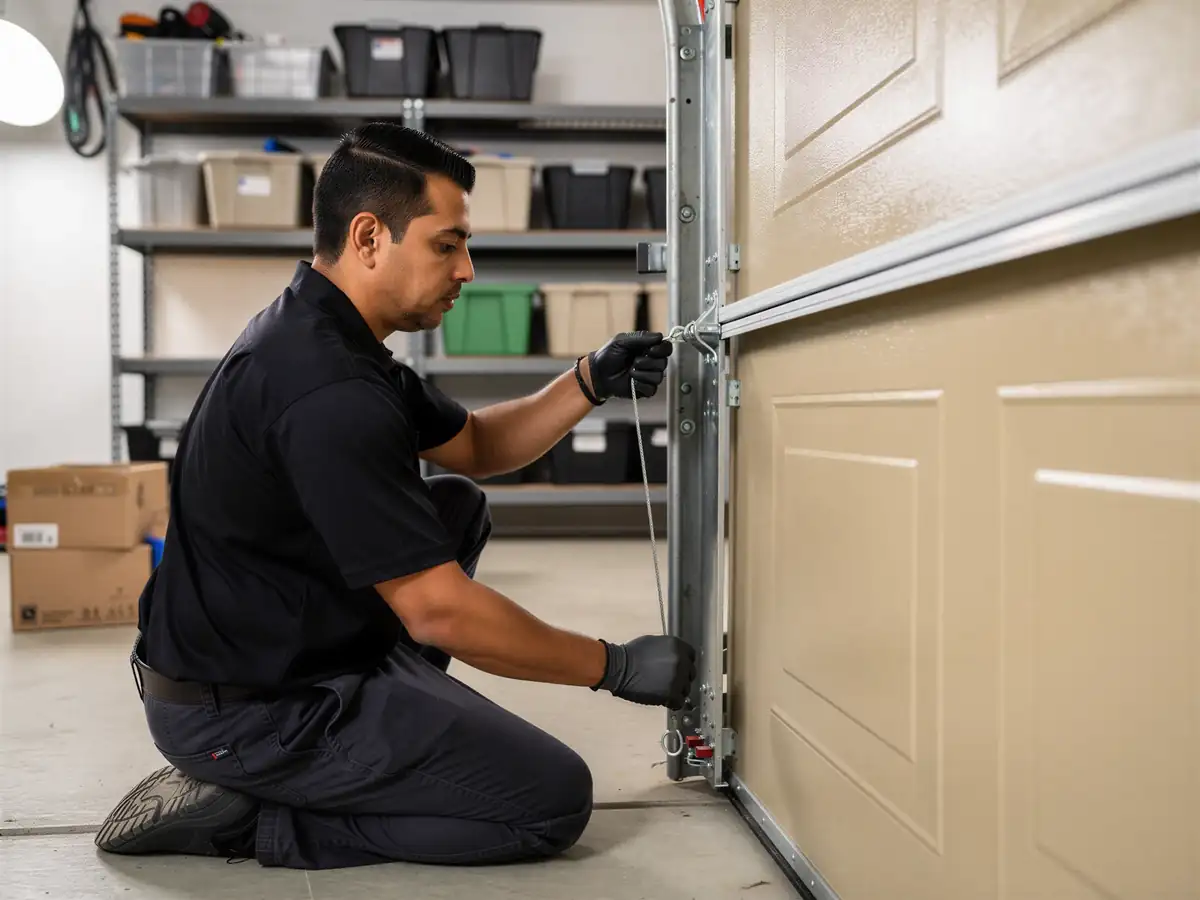
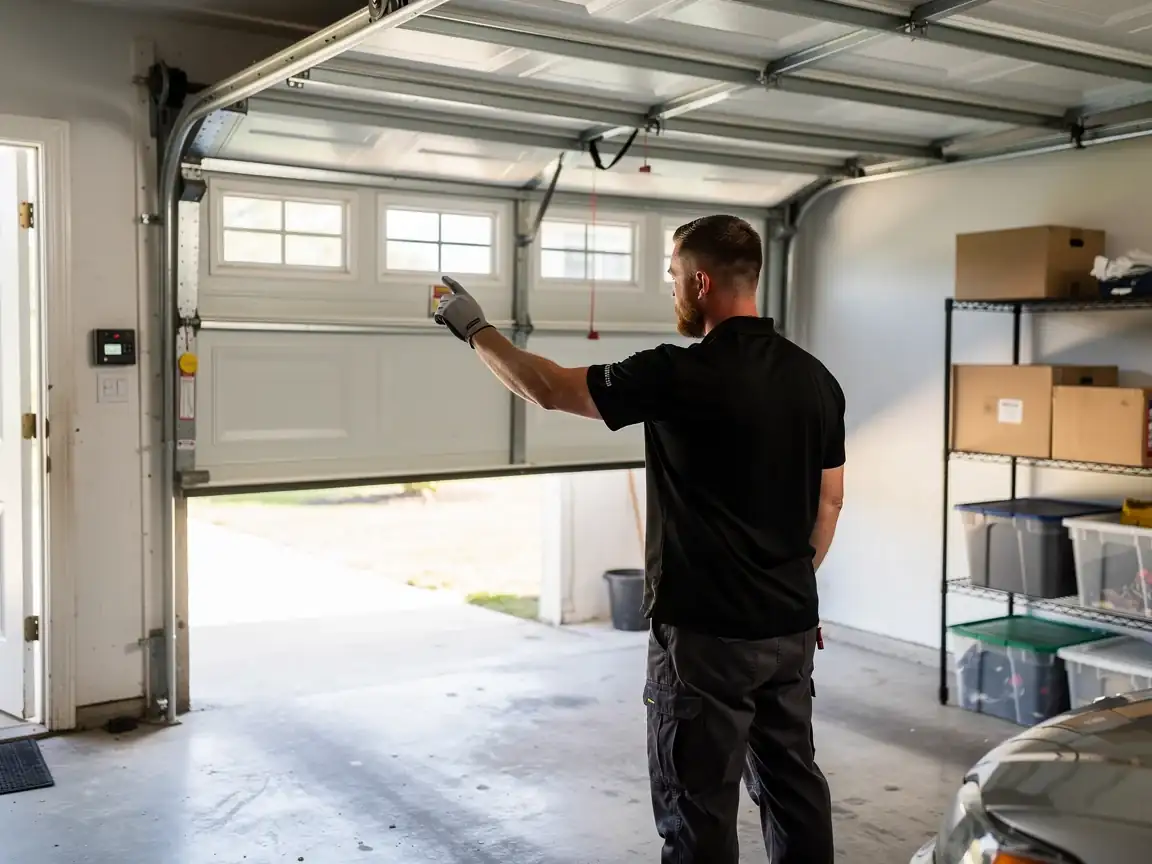
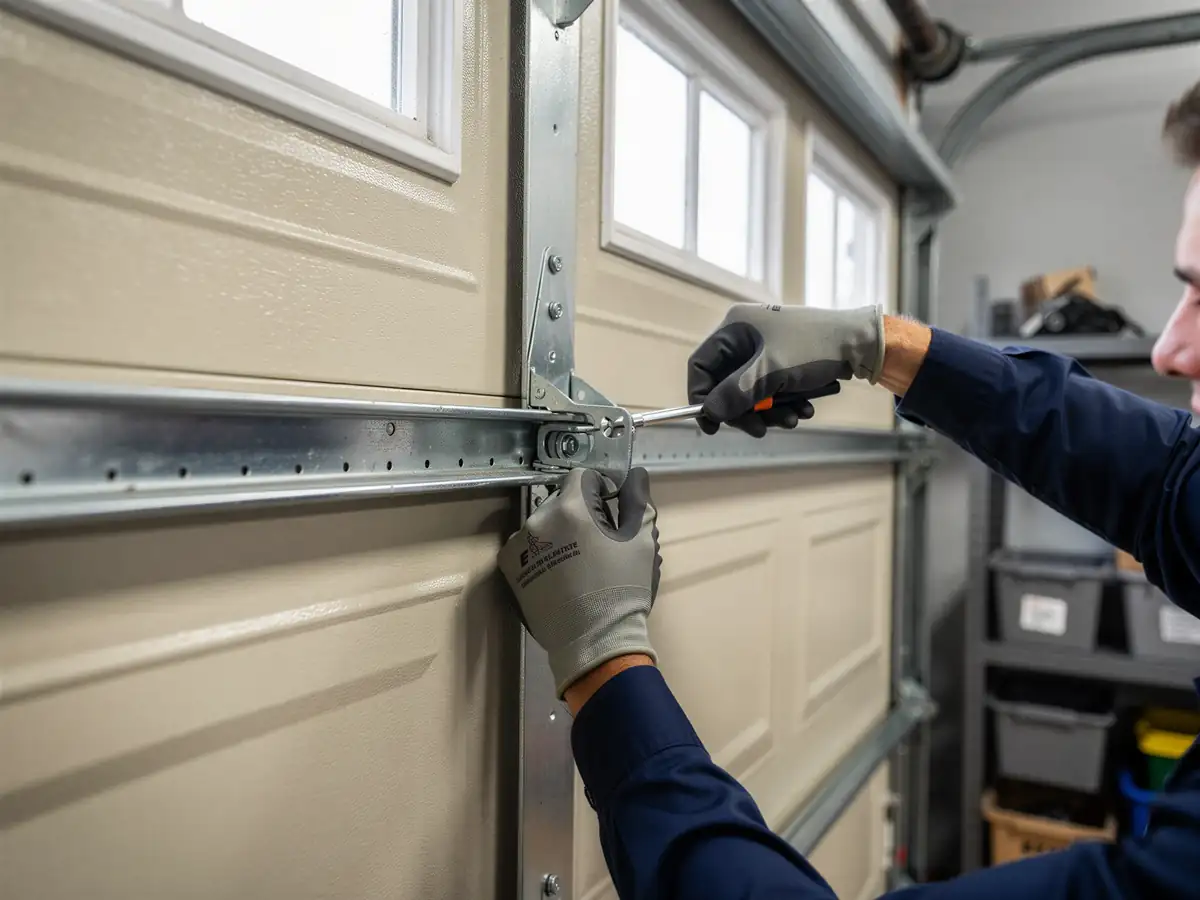
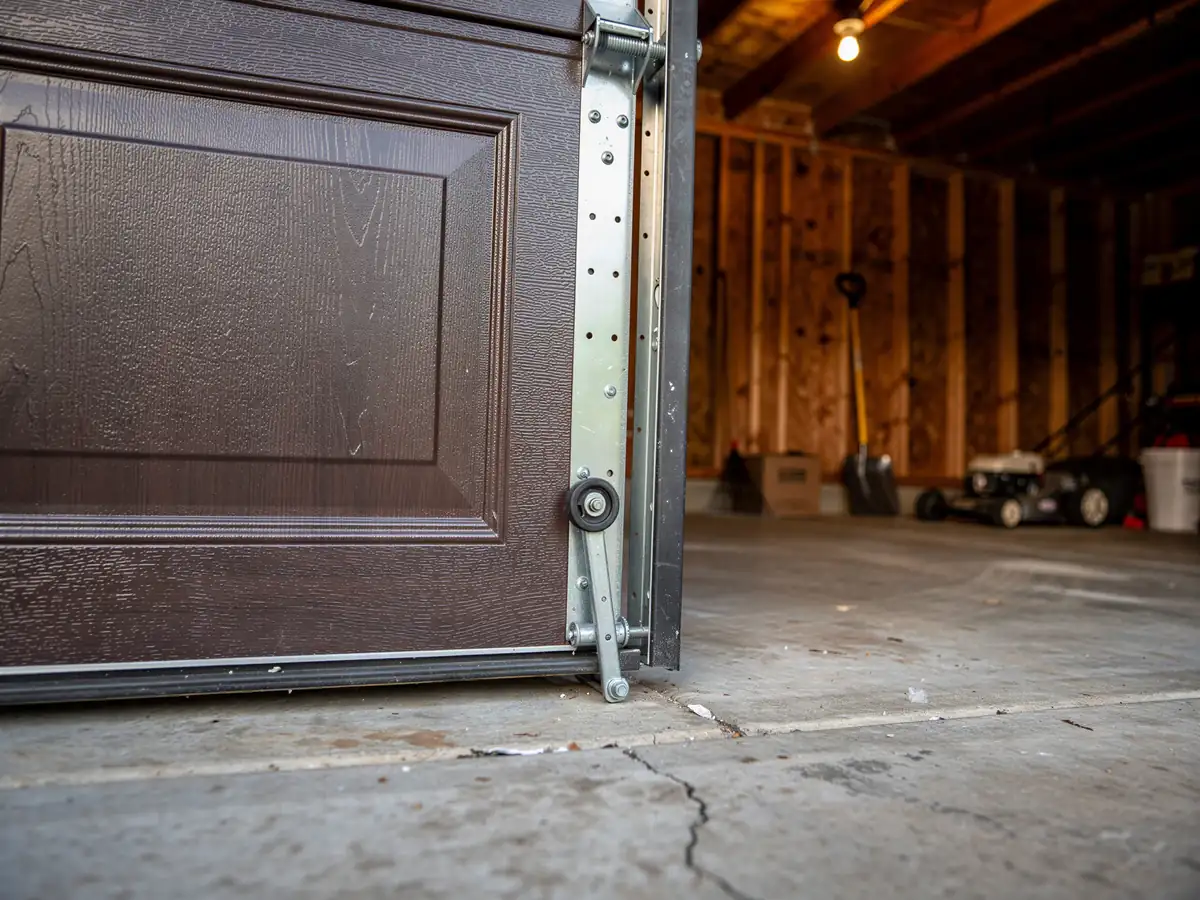
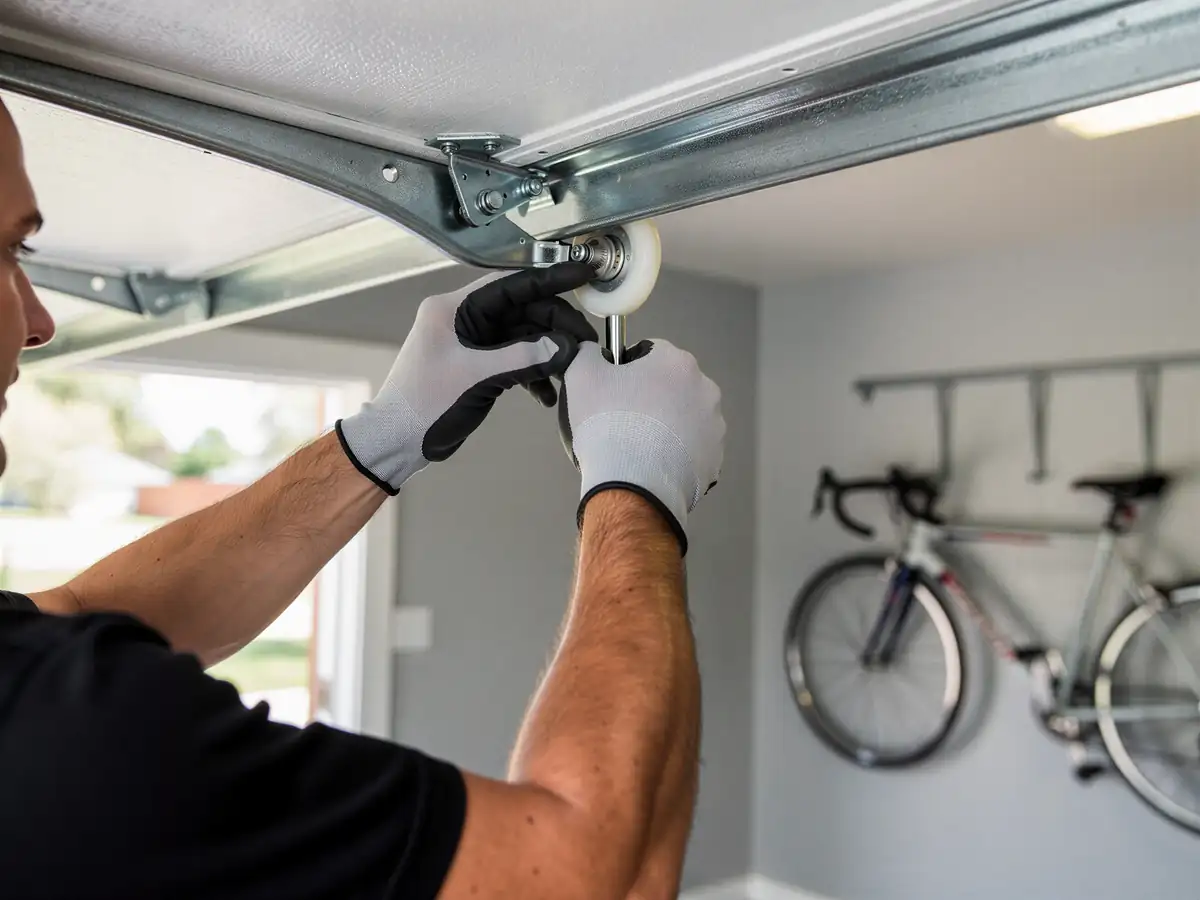
Whitney sits about 13 miles from our North Las Vegas shop, so the drive is part of the job every time, not an afterthought. Once a truck is on site, a snapped lift cable on a standard torsion setup is usually a 60-90 minute fix, start to finish, and that estimate doesn't change much from house to house here because Whitney's housing stock is unusually consistent. Most of it went up around 2002, well after the older 1980s-90s construction that dominates much of the rest of our service area. That matters for cable work specifically: newer builds here were put up with galvanized lift cables on factory-spec drums rather than the mismatched replacement cable we sometimes find on older torsion systems elsewhere. We're not guessing at cable gauge when we show up. If the drum itself is grooved out or the cable has jumped the drum and kinked, add 30-45 minutes to source a matching drum from the truck stock. Two cables going at once, which happens more on doors that have sat unbalanced for a while, adds time too since we're doing both sides properly rather than patching one and leaving the other to go next month.
Doing It Yourself
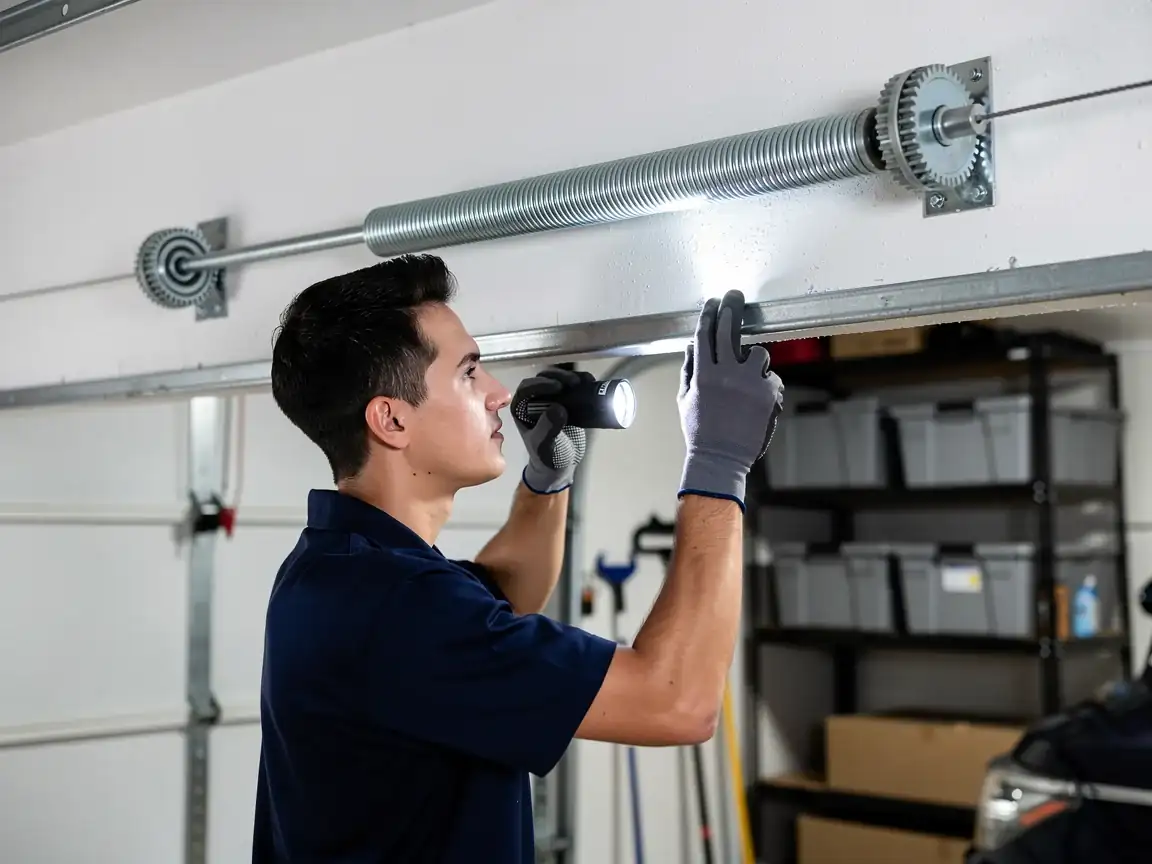
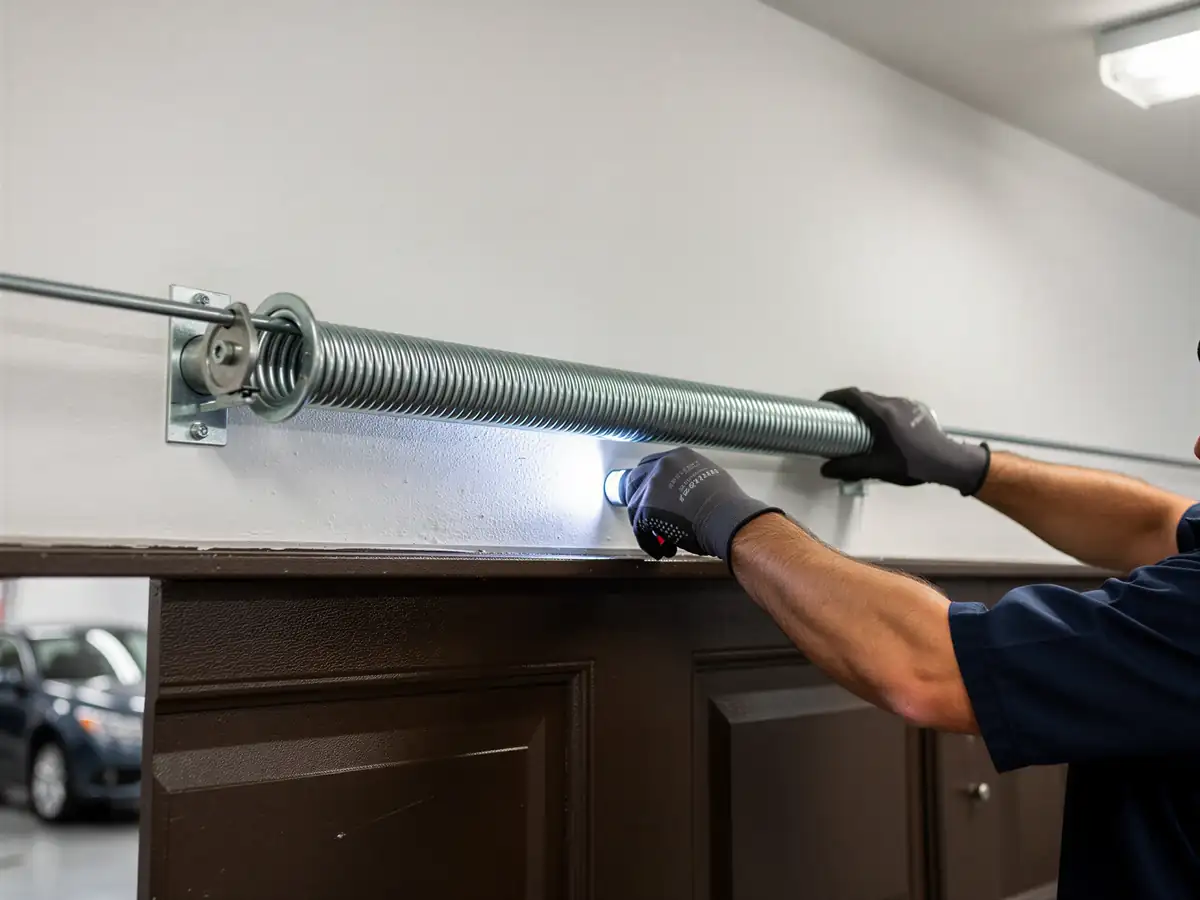
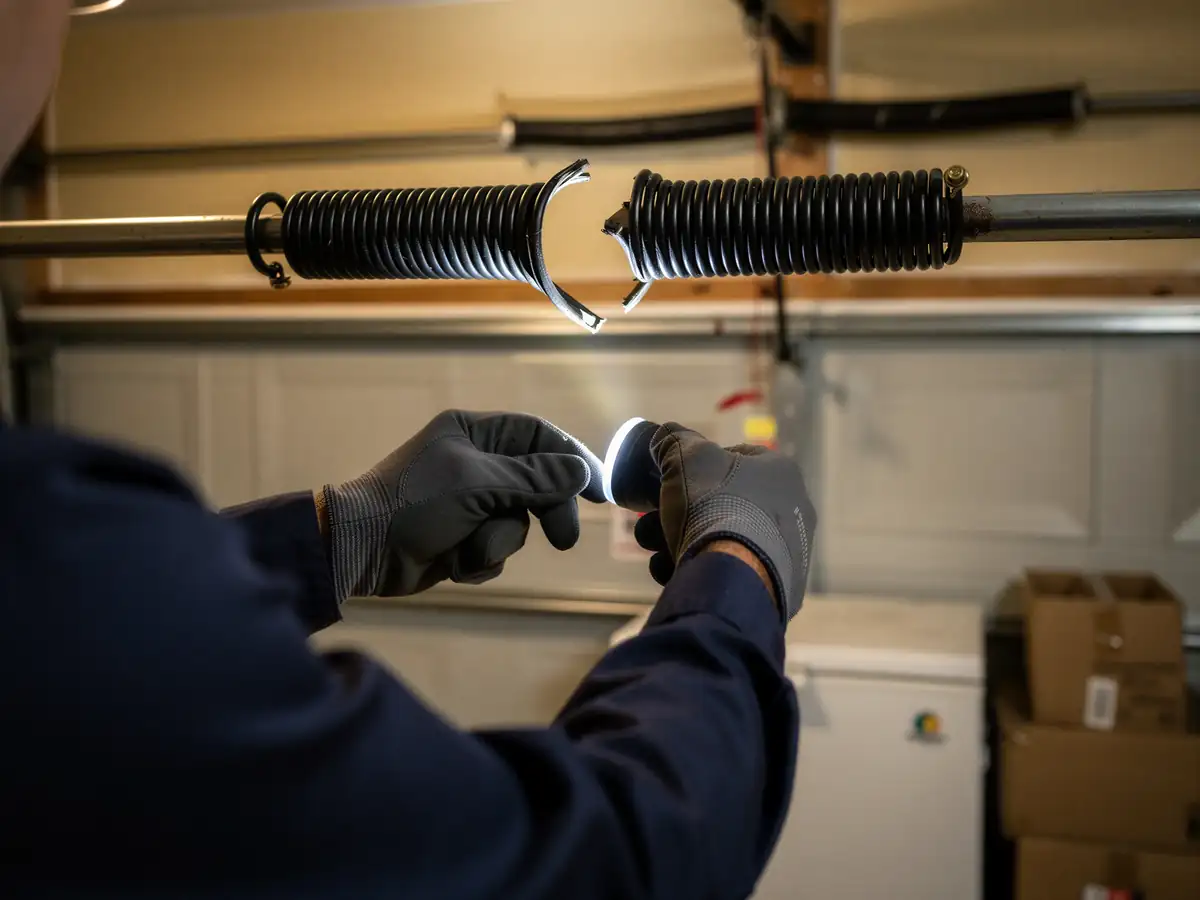
A broken garage door cable is a spring-adjacent job, and that's the part that turns a cheap fix into an ER visit if you treat it like changing a flat tire. The door is being held by a coiled torsion spring under real tension, and the cable is what transmits that tension to the door. Unwind or disturb that wrong and the spring lets go all at once. If the cable has simply frayed and popped at the drum end with the door still down and the spring still loaded, leave it down and leave the opener unplugged - don't try to force the door up manually to get the car out. If you're comfortable with hand tools and the door is light enough to lift without strain, you can usually tell a frayed cable from a sheared one by looking at the drum end, but replacing it yourself means winding bars and a correctly sized torsion spring tool, not a wrench and good intentions. This is one of the few jobs here where we'd tell most owners to make the call rather than watch a video and go for it.
What You Pay
We don't have a flat number to quote here without seeing the door, so we won't make one up. What we can tell you is what drives the cost on a Whitney cable job: whether one cable or both need replacing, whether the drums are scored and need swapping too, and whether the opener's safety sensors have to be reset afterward. Whitney's median household income runs a bit above the broader service area's $61,177, and homes here tend to be newer, which in practice means fewer corroded or rusted-through cables than we see on older stock elsewhere - most failures here are fatigue breaks on original hardware from a 2002-era build rather than rust damage. That's a smaller repair, not a bigger one. Where cost climbs is when a cable snap has already warped a track or cracked a bottom bracket on the way down, which turns a cable job into a cable-plus-hardware job.
Where This Job Goes Sideways
The thing that turns a routine cable swap into a longer visit in Whitney isn't the cable - it's the heat. This area sits in a severe-heat climate band, and repeated summer expansion and contraction on steel cable and drums accelerates fatigue wear even on hardware that's only two decades old, which is young by the standards of the rest of our service area. A cable that looks fine on a cool morning inspection can be a different story after a 110-degree afternoon has the door's metal expanding. The other failure point: owners who've had one cable go and assume the other side is fine because it hasn't broken yet. On a door built in the same era, both cables have taken the same heat cycles for the same number of years. We'll tell you straight if the second cable is close to going, because replacing one and leaving the other is just scheduling the next call.
How it works
From “it’s stuck” to “it’s fixed”
01
Tell us what’s wrong
Describe the symptom - won’t open, loud bang, opener runs but the door won’t move.
02
On-site diagnosis
A technician tests the door under power and by hand and finds what actually failed.
03
Clear, up-front plan
You get the fix that’s needed and what drives the cost - before any work starts.
04
Repaired & tested
The repair is done, the door is set true and tested, and the work area left clean.
Not sure which repair your door needs in North Las Vegas, NV? Describe what it’s doing - every job starts with a diagnosis.
Why does my Whitney cable job cost different from a quote I heard for North Las Vegas proper?
Housing age is the main driver. North Las Vegas's broader service area has a lot of 1980s-90s stock with aging or mismatched hardware, while Whitney homes mostly date to around 2002. Newer factory-spec drums and cables usually mean a cleaner, faster repair - fewer surprises once the door's open.
Do you have a crew based in Whitney?
No. We run out of North Las Vegas and drive the roughly 13 miles to Whitney for every job. That's reflected in scheduling, not in the repair itself - once we're on site the cable work is the same quality job we'd do anywhere in the service area.
Can I drive my car out if a cable snaps with the door down?
Leave the door down and unplug the opener. A snapped cable usually means the torsion spring is still under tension and the door can drop or jerk if forced. It's a service call, not a five-minute fix, even if the door looks like it might lift with effort.
Is heat really a factor on a 20-year-old cable?
Yes. Our service area sits in a severe-heat climate band, and repeated summer heat cycling fatigues steel cable faster than age alone would suggest. A cable from a 2002 build isn't old by hardware standards, but it's been through a couple decades of Nevada summers, which counts for more.
Ready to get your garage door sorted?
Tell us what it’s doing and where you are in North Las Vegas - we’ll take it from there.