How Long It Takes
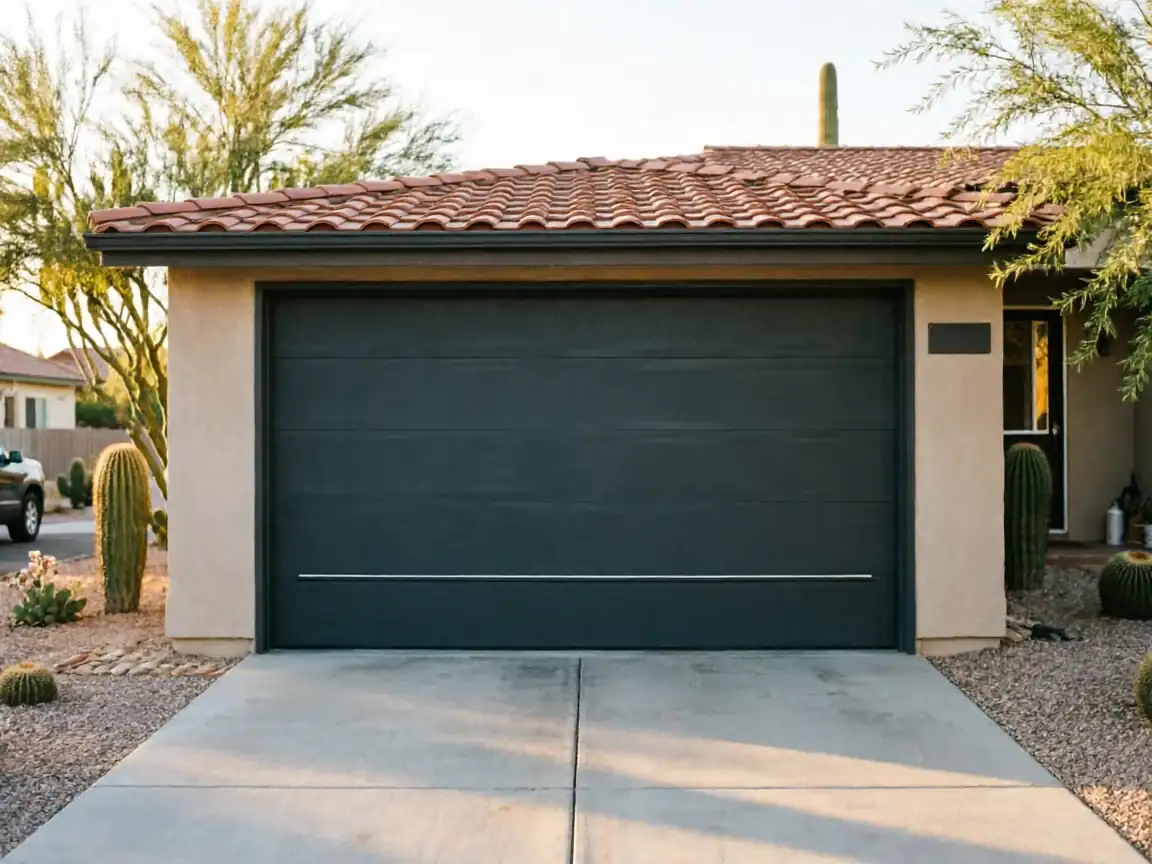
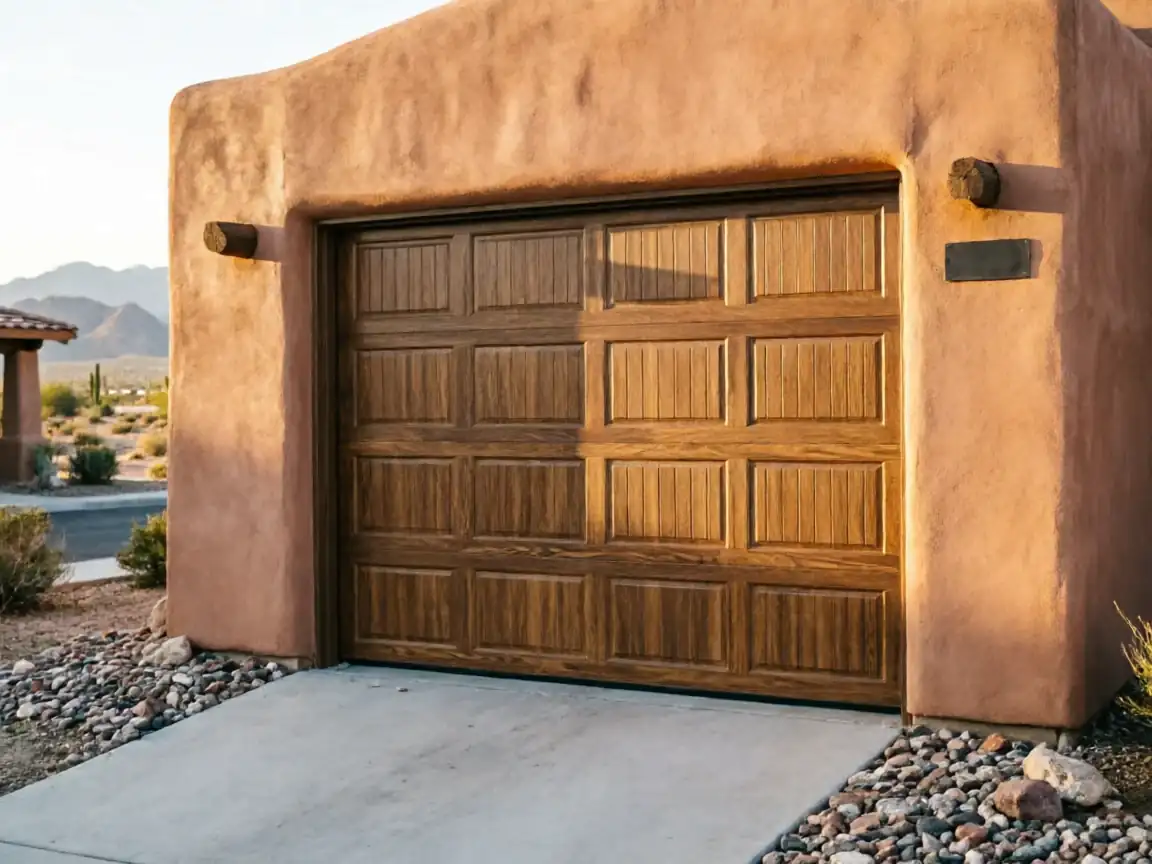
Most houses in Sunrise Manor went up around 1991
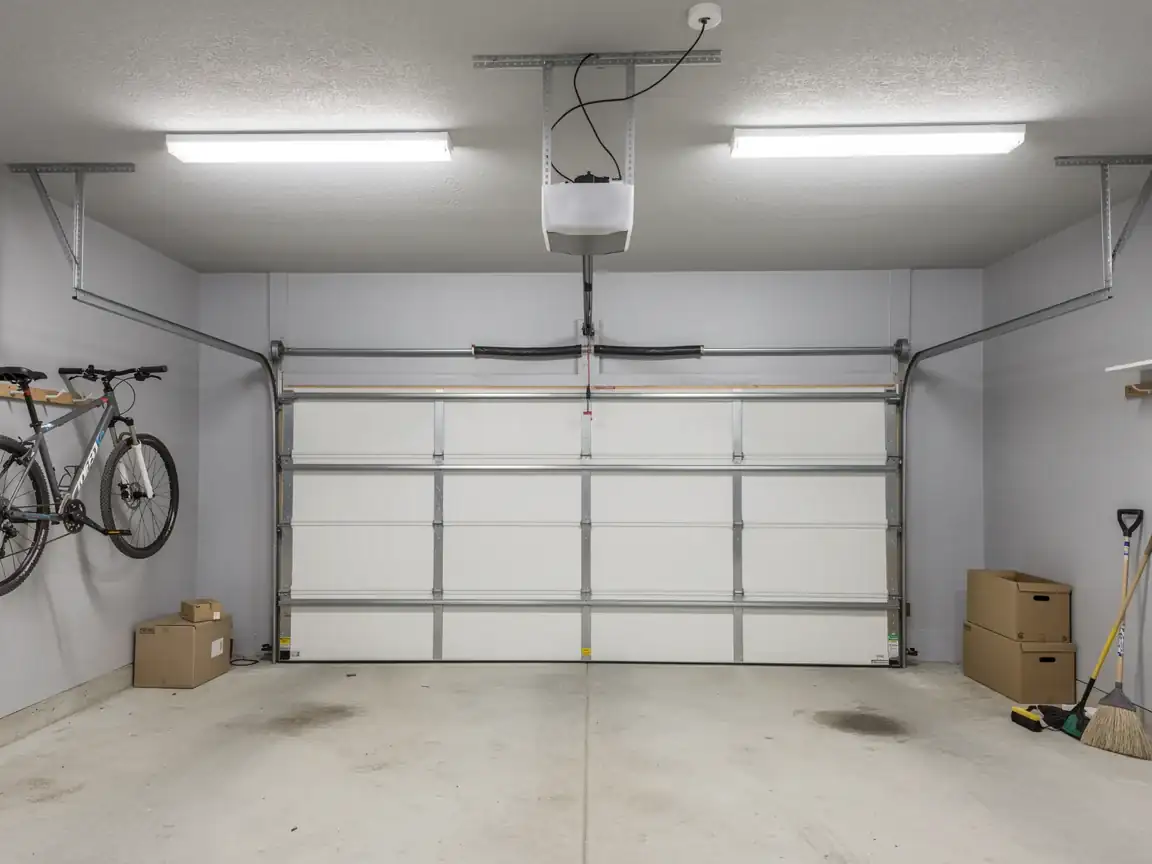
And that means a steel sectional door on a double-wide opening, hung on galvanized torsion hardware that was builder-grade even when it was new. Thirty-plus years of Las Vegas heat does not make galvanized steel age gracefully - the zinc coating thins, the springs lose a little temper every summer, and the roller brackets work loose from the wood jamb they were lag-bolted into. None of that shows up until the day it does, usually as a spring that lets go mid-lift or a cable that frays through.
We come from North Las Vegas, about 8 miles out
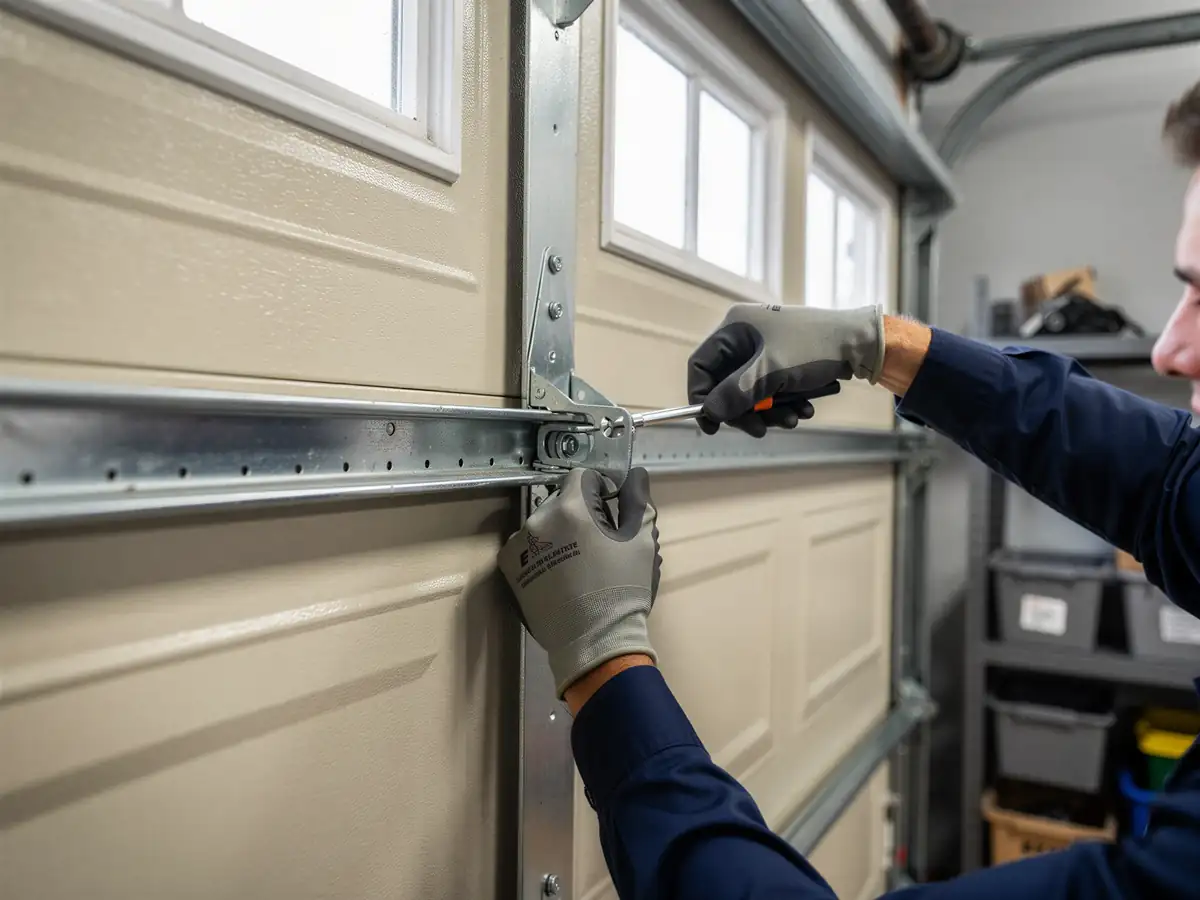
So we're not quoting a same-town response - we're quoting a drive. Traffic on the route decides more of the actual arrival window than anything else, and we won't promise a number we can't hold to. What we can tell you is that a broken torsion spring or a snapped cable on a door this age is a same-visit fix in almost every case: the parts are standard sizes, not special order. What isn't same-visit is a bent track on a heavier insulated retrofit door, or a full opener board that's fried - those sometimes need a part ordered in, and we'll say so on site instead of guessing.
- 8 miles
How to Book
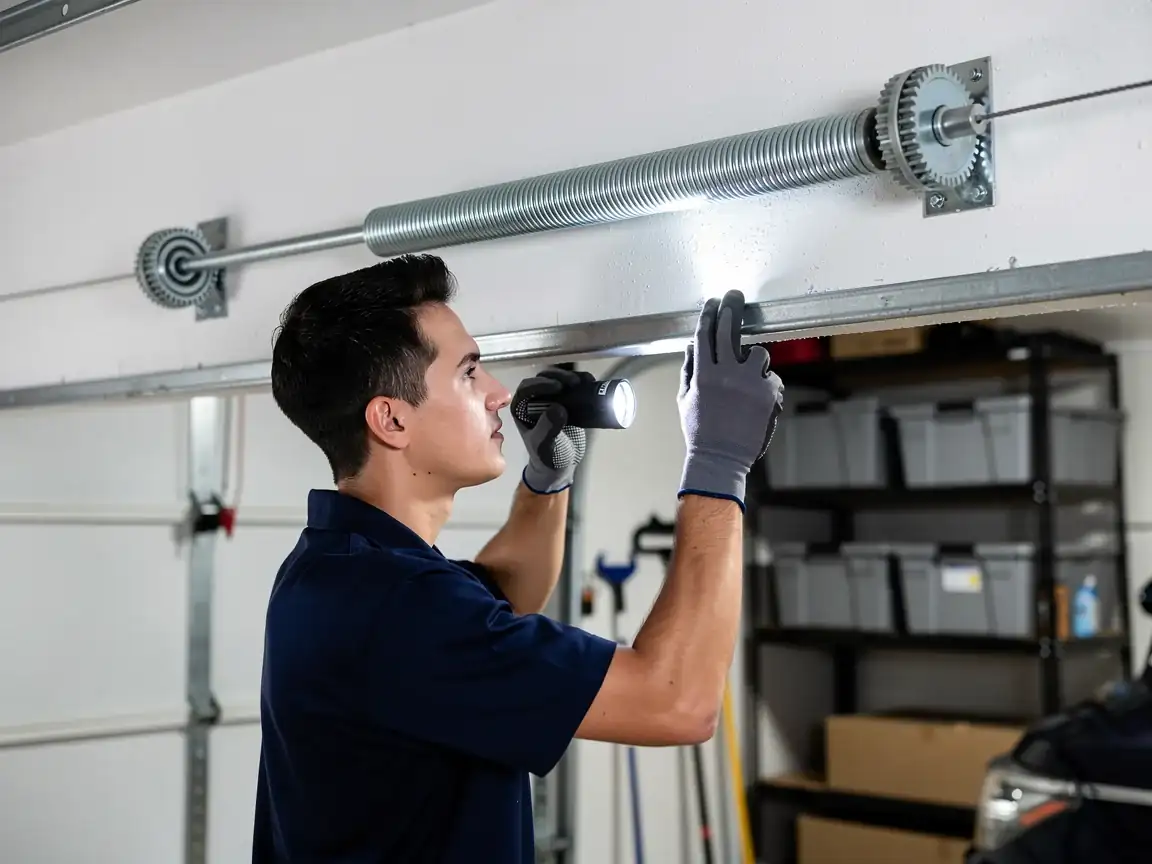
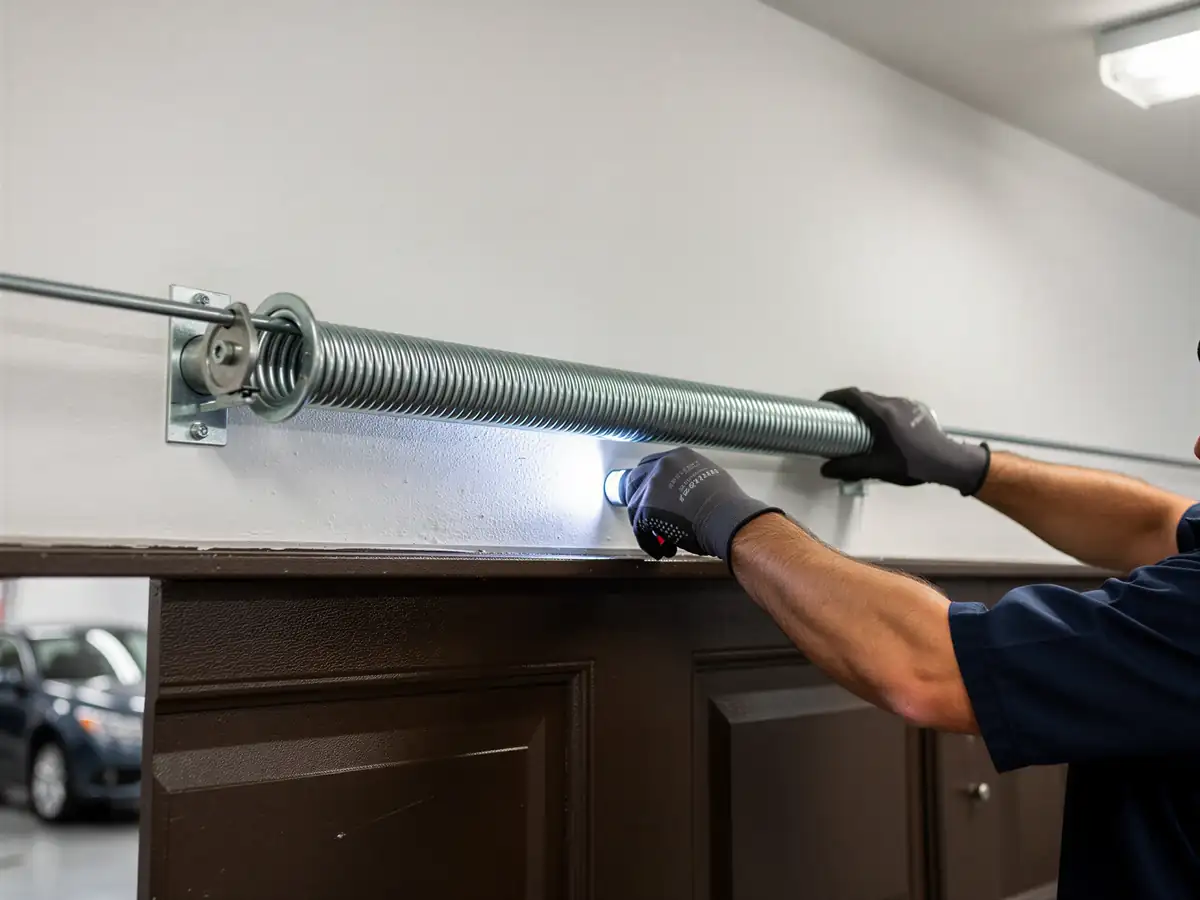
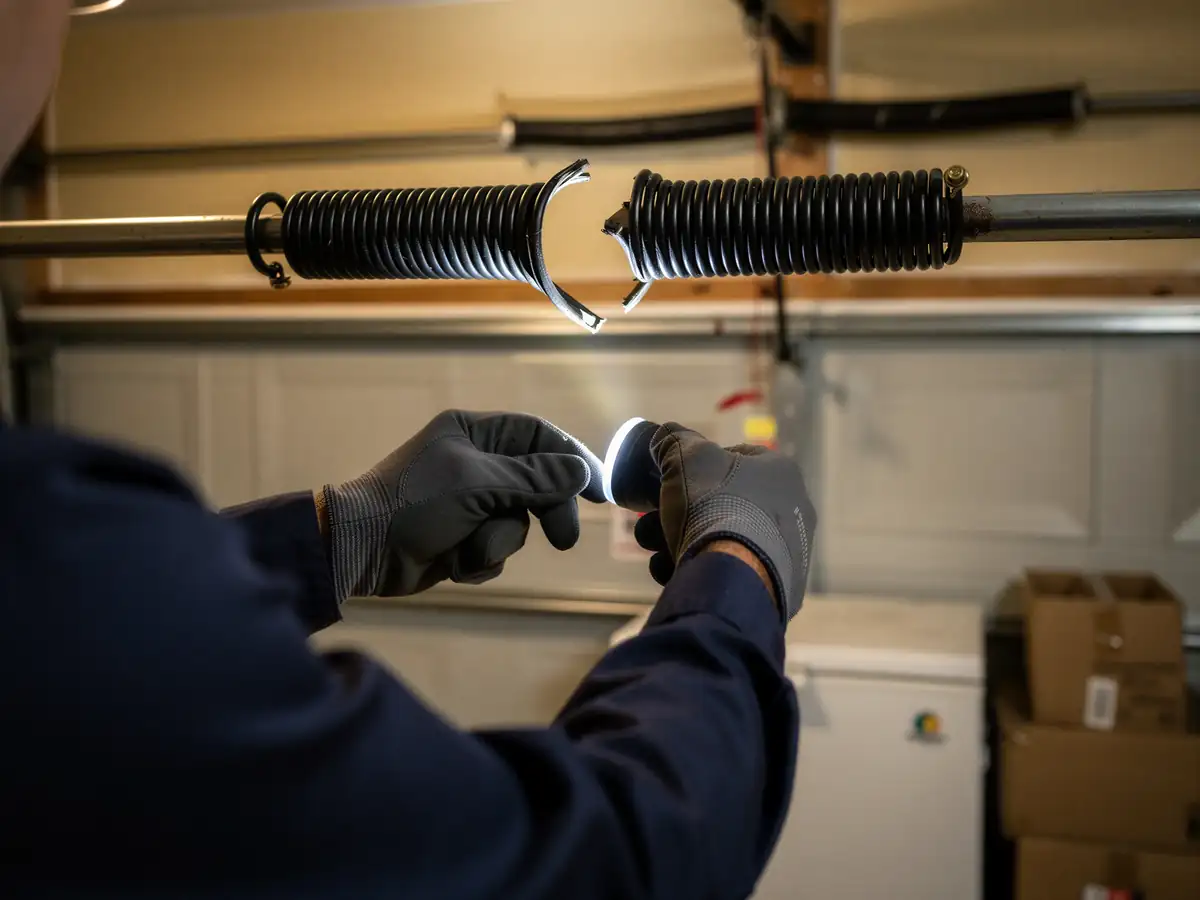
Call and tell us it's Sunrise Manor and what the door is doing - won't open, won't close, dropped on one side, opener grinding and nothing moving. That tells us whether we're bringing spring stock or an opener board before we're halfway there. If you can see the spring (the coiled bar above the door, or the pair of them on a double), tell us if it's split - that one detail changes what's loaded on the truck.
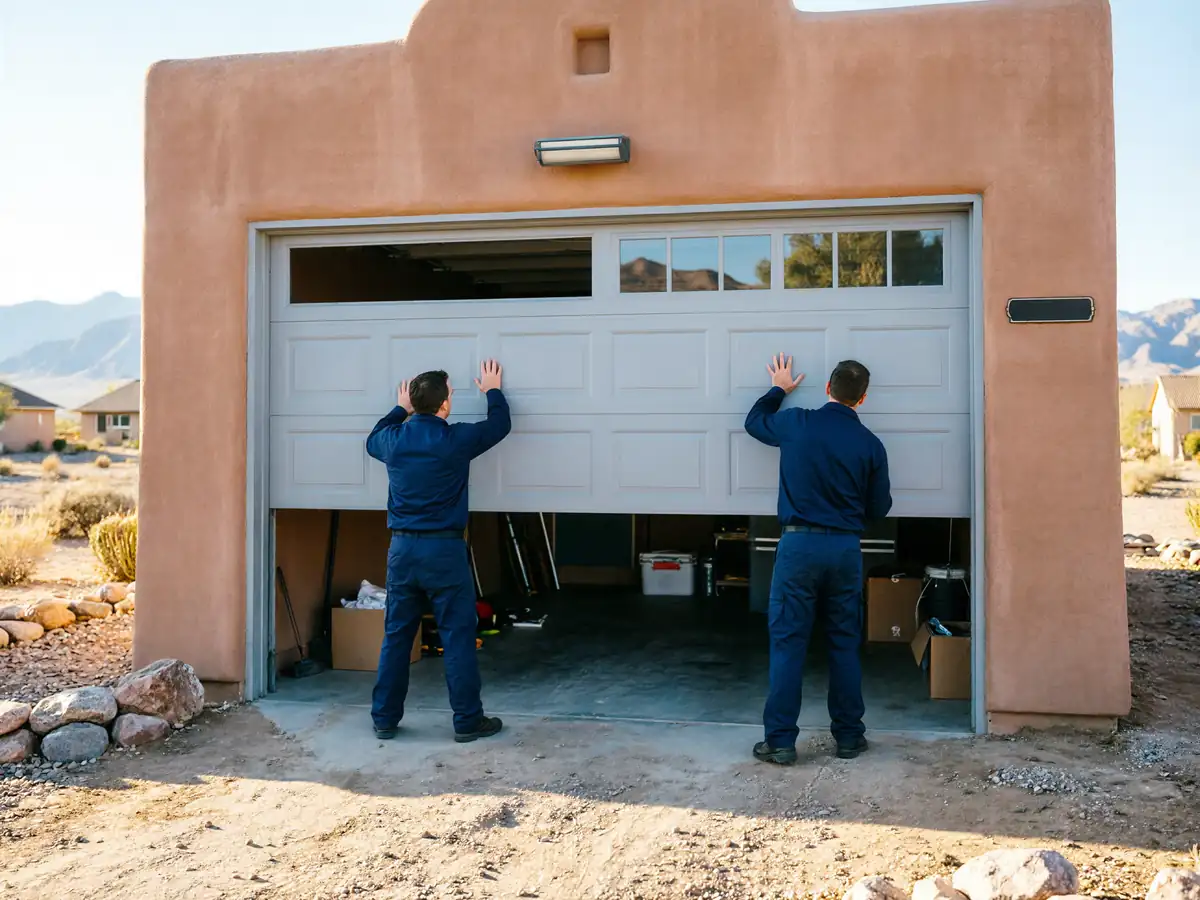
Don't try to force the door up by hand if a spring has broken on a double panel door built in this era - the counterbalance is gone and the door is just dead weight on whatever cable is left. Leave it down, leave the opener unplugged, and wait for the call back. We'll confirm the job before anyone rolls out, since a service call that turns out to be a five-minute fix shouldn't cost what a torn opener motor costs.
What Causes It Around Here
Sunrise Manor sits in a severe heat band, and heat is what kills garage door hardware here faster than age alone would. A steel torsion spring wound to a set tension doesn't hold that tension evenly once it's cycled through enough 110-degree summers - the metal fatigues unevenly, and one coil gives before the others. That's why these springs tend to fail on the hottest stretch of the year, not gradually.
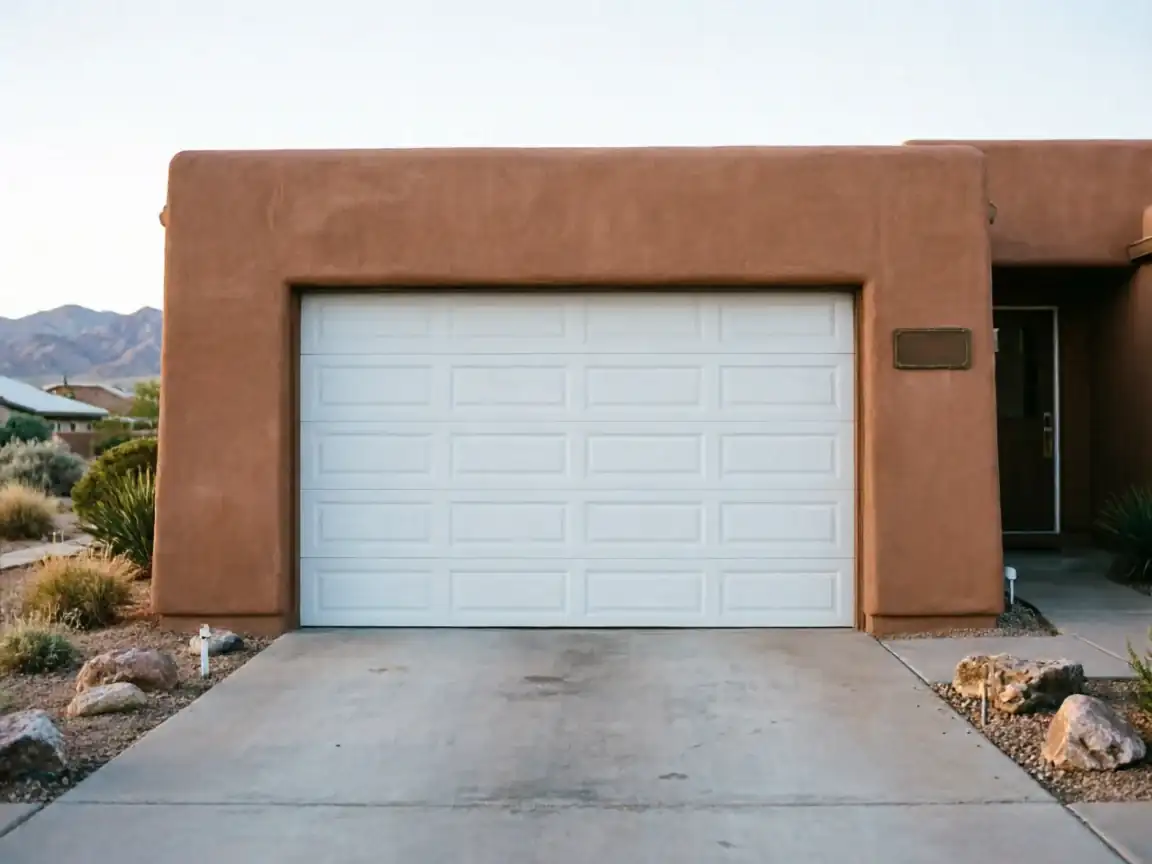
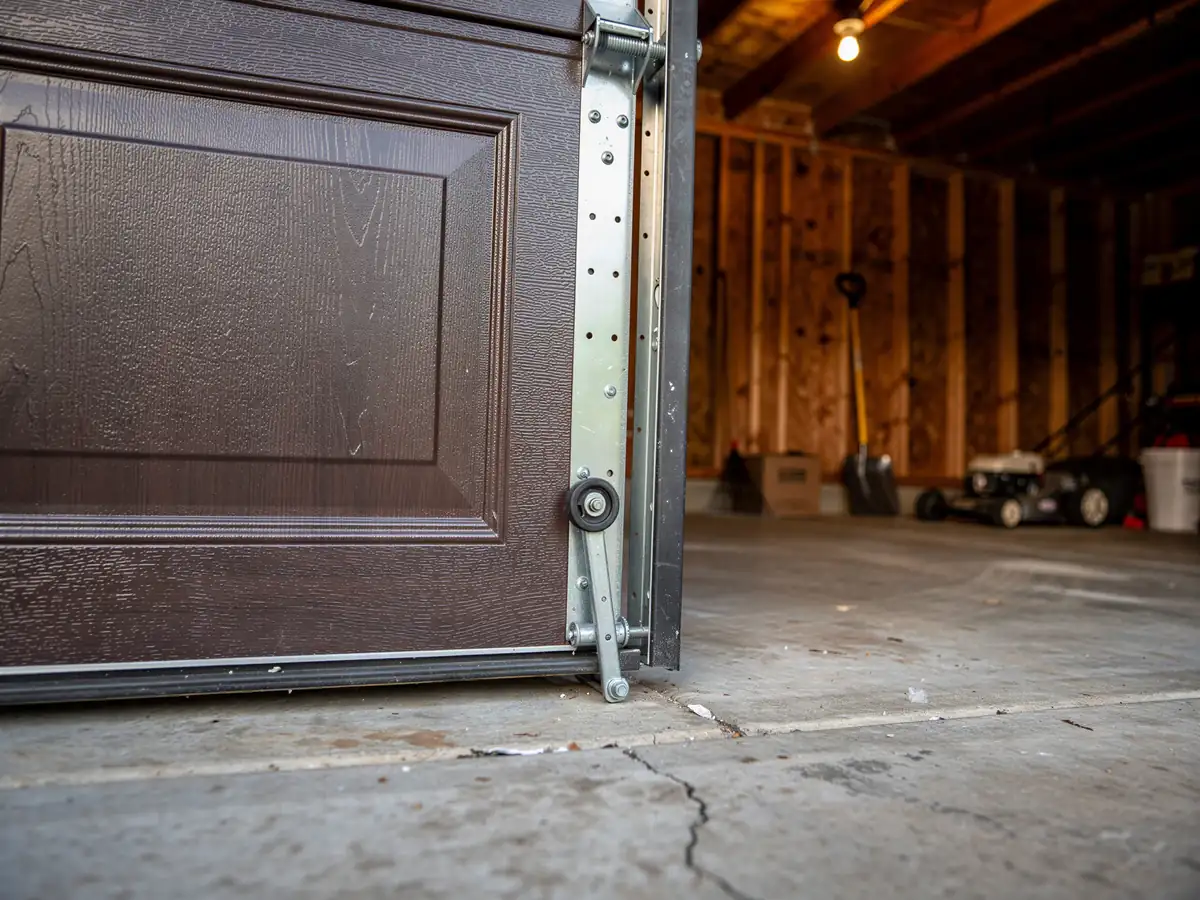
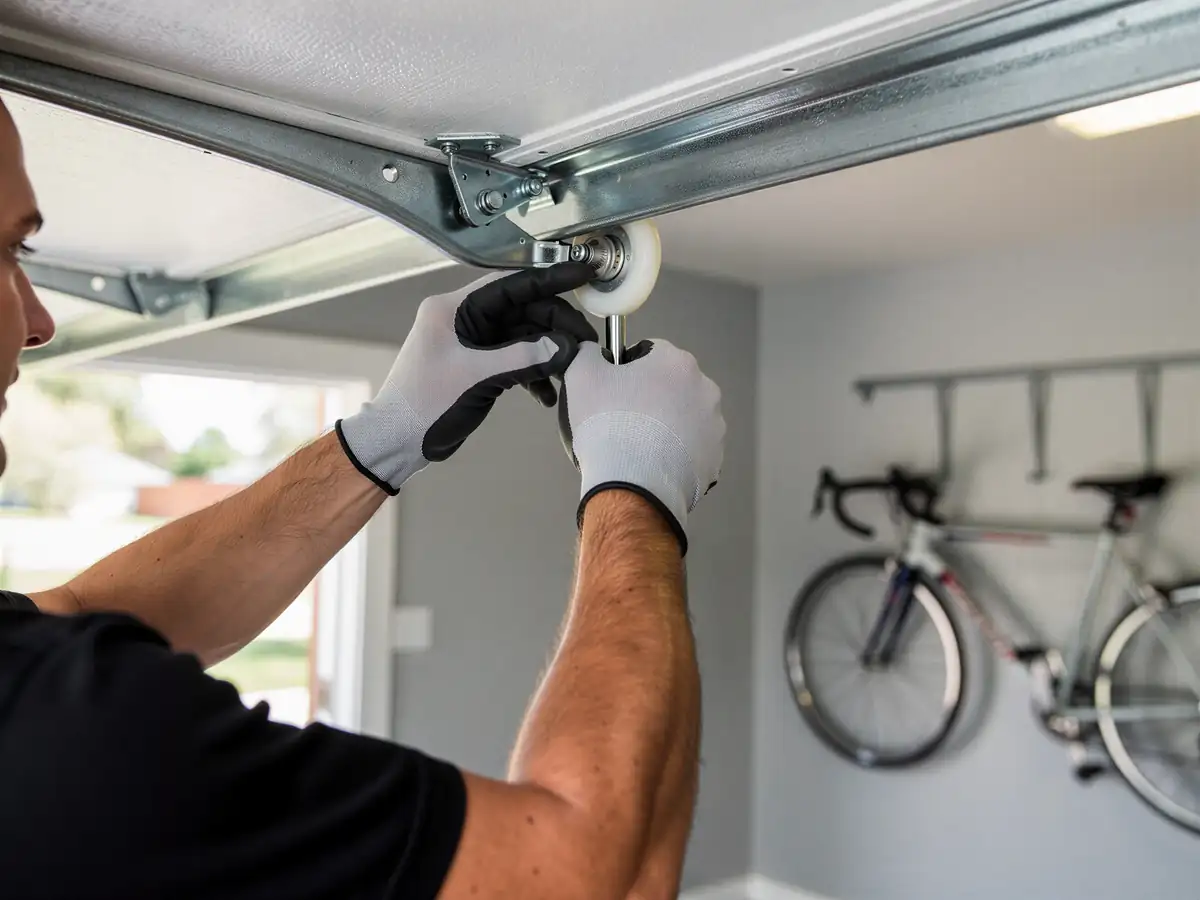
The other local factor is the housing stock itself. A door built around 1991 on this stretch is almost always the original steel sectional panel, not foam-filled, not insulated to anything like current code - just two sheets of galvanized steel with air between them. That thin steel flexes more in heat, and a door that flexes puts more side-load on the rollers and track brackets than a stiffer insulated door would. We see more bent track and torn-loose brackets on these original doors than on the newer replacement doors in the same neighborhood.
The Symptom
The door that won't budge and just hums at the opener is almost never the opener's fault
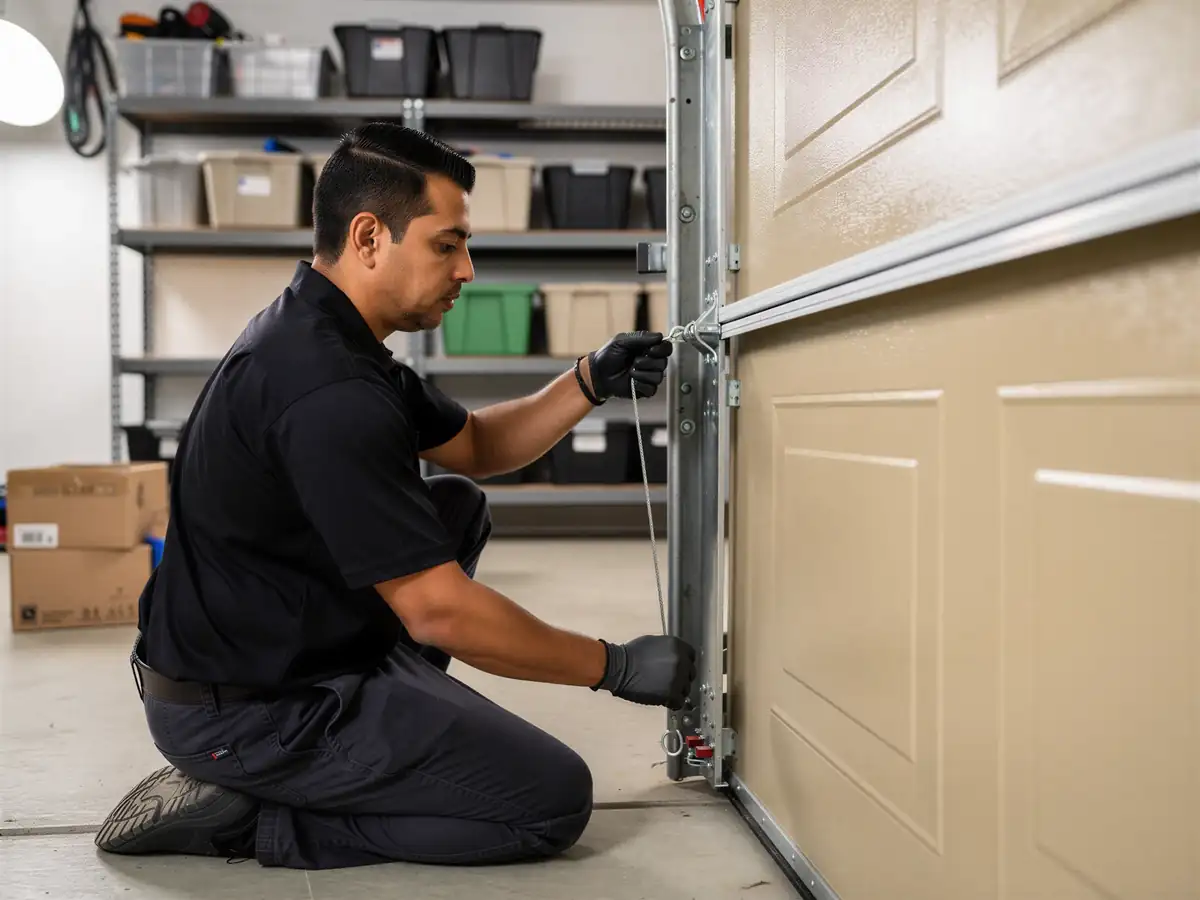
It's a broken spring, and the opener is trying to lift dead weight it was never built to lift alone. If the door drops suddenly partway down, or one side hangs lower than the other, that's usually a cable that's frayed through or jumped its drum, which on these older torsion setups usually means the drum pulley needs replacing along with the cable.
A door that opens fine but reverses itself right before it closes is a safety sensor problem nine times out of ten
Not a spring or cable issue - check that the two sensor eyes near the floor are aligned and not blocked, which on an older install can be a loose bracket as much as debris. If the door is quiet and smooth but suddenly won't respond to the remote at all, that's more often a dead battery or a fried circuit board than hardware. Tell us exactly which of these you're seeing, because it changes which parts come off the truck.
Doing It Yourself
Don't touch a torsion spring. That's not caution for its own sake - a wound spring on a door this size holds enough stored force to break a finger or worse, and the winding bars and clamps to do it safely aren't something most homeowners own or have used. Cables under tension are the same category. If either has let go, the door stays down until a tech gets there.
What you can safely check yourself: the two photo-eye sensors near the floor track, for dirt, misalignment, or a spider web across the beam - that alone causes a surprising share of the