How to Book
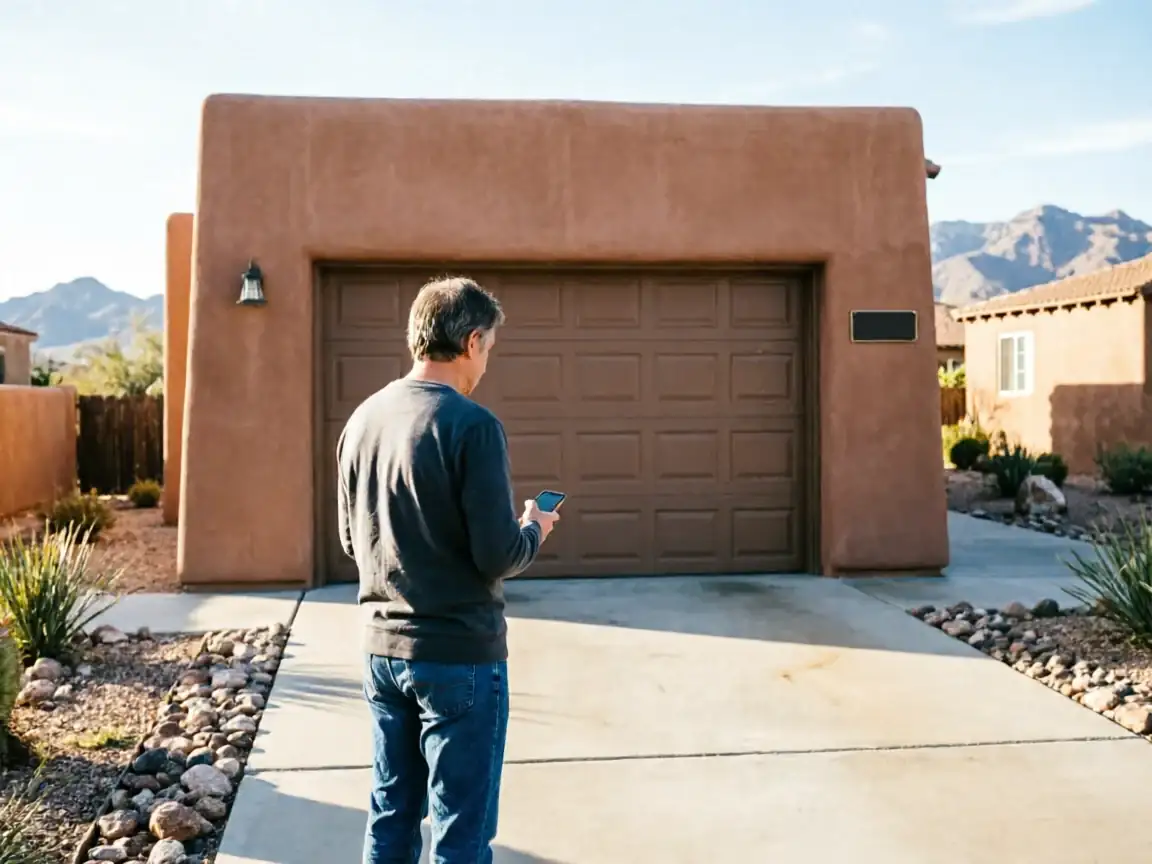
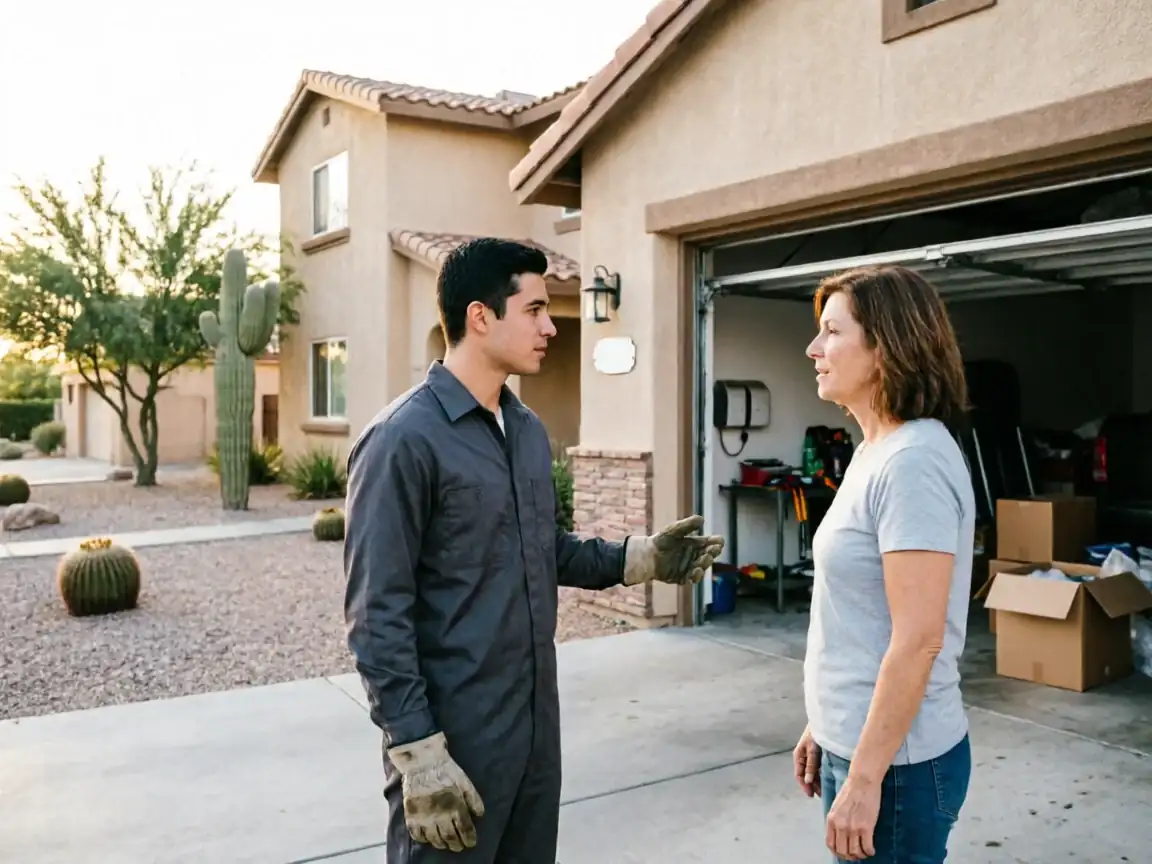
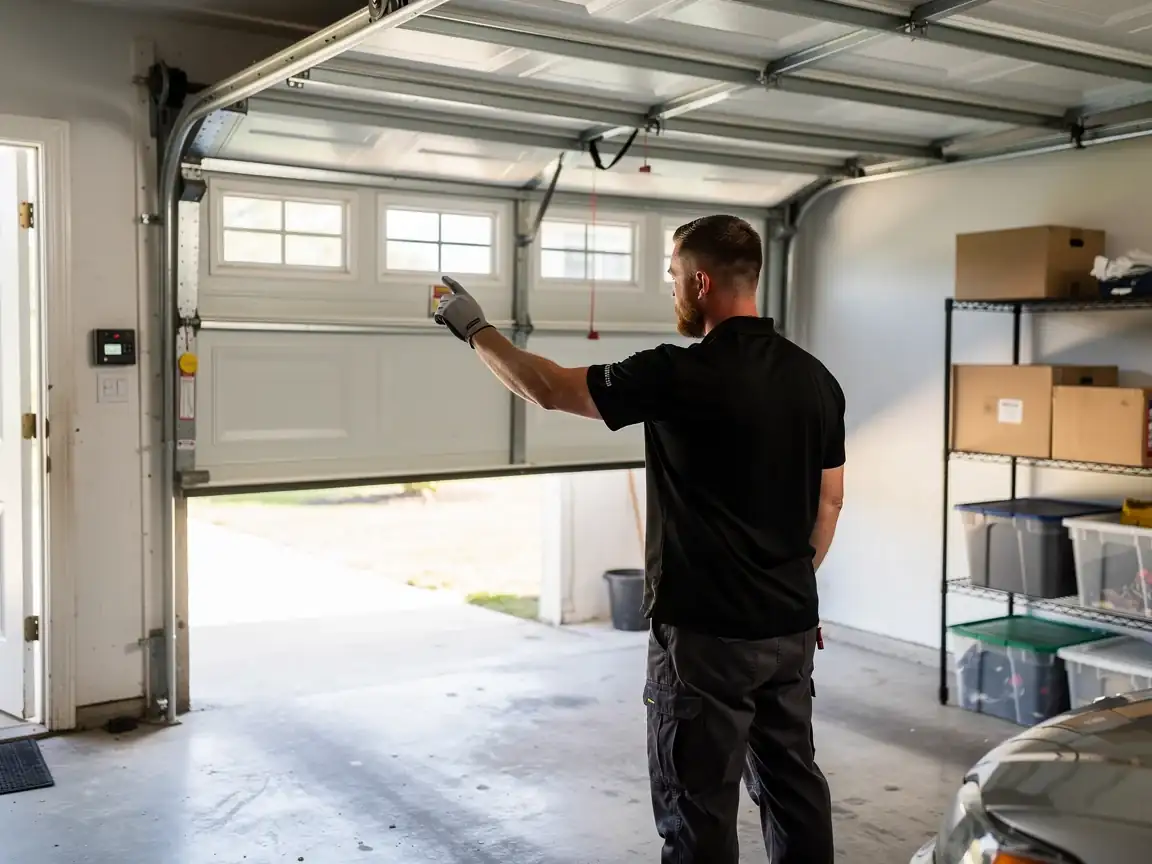
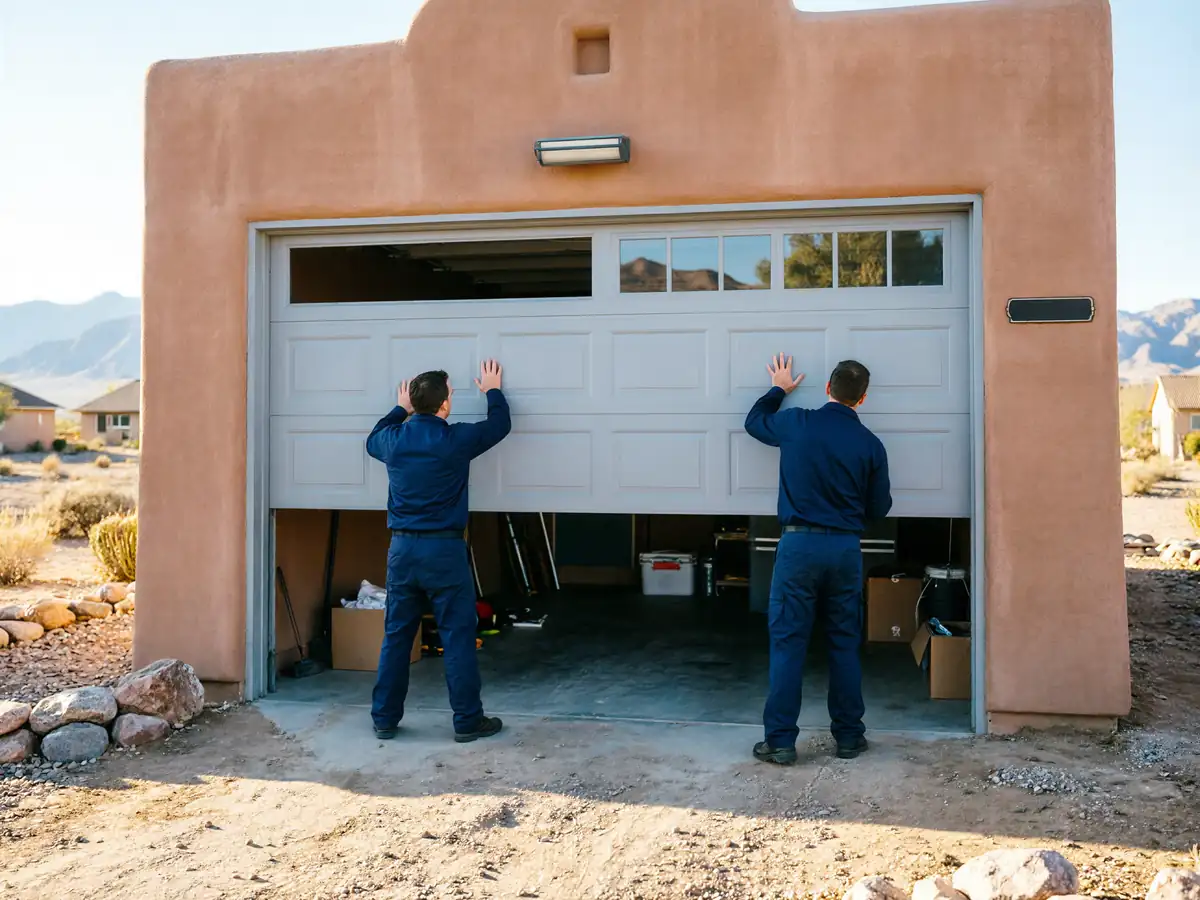
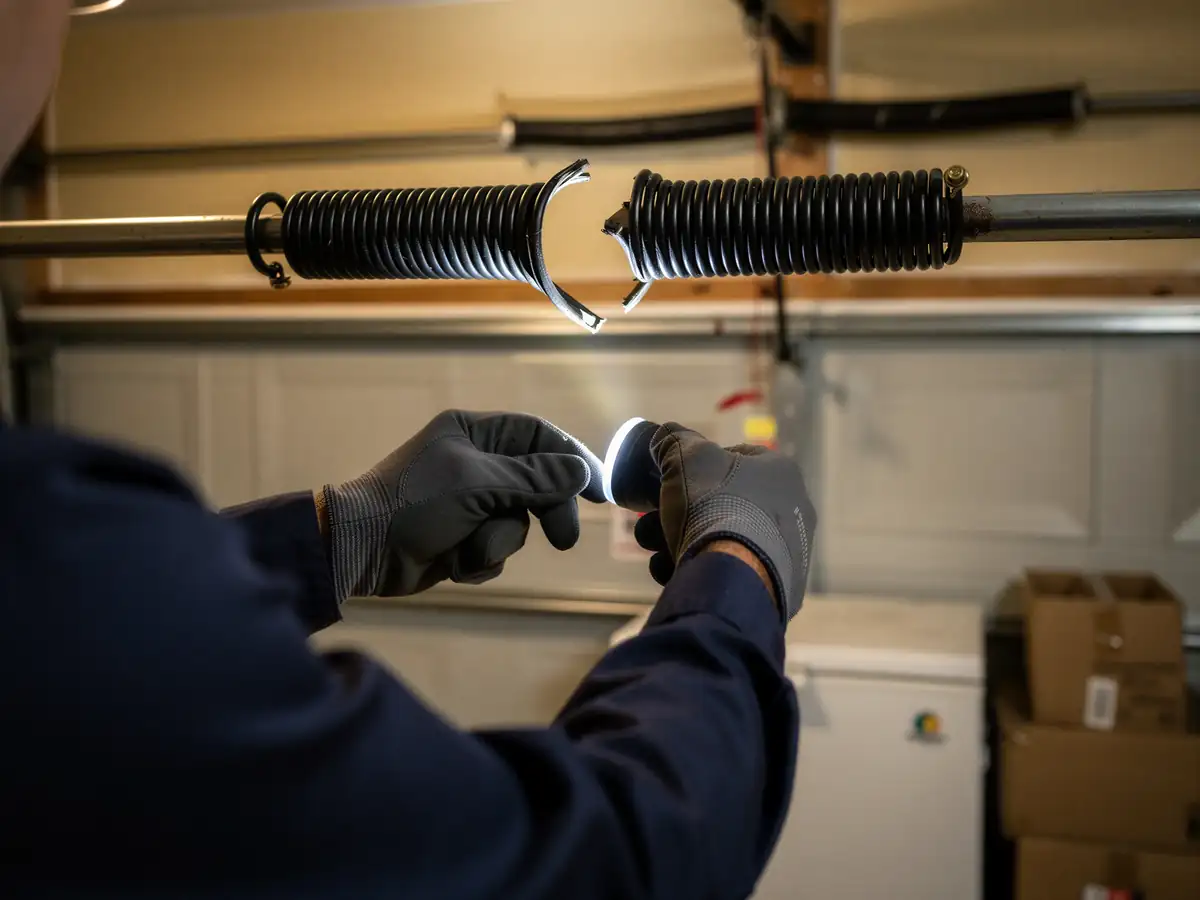
Call and describe what the door is doing - won't open, opened and then slammed down, or just sitting with a gap and a loud bang from under it. That tells us whether it's a clean spring break or something tangled with the cables too, which changes what rides on the truck. Give the make and rough age of the door if you know it; Sunrise Manor's housing runs mostly 1980s and 90s construction, and door hardware from that era often needs a specific drum or cable length that's worth confirming before the tech leaves North Las Vegas. If you're not sure what's wrong, that's fine - a tech can diagnose on site. What we can't do over the phone is quote a firm price without seeing the spring size and door weight, so the number you get on the call is a range until someone's looking at the actual hardware.
What Causes It Around Here
Most houses in Sunrise Manor went up around 1991, give or take a decade either side, which puts a lot of original or first-replacement torsion springs well past their rated cycle count by now. Springs are rated in cycles, not years, but age plus heat accelerates the wear either way. This is a severe-heat climate zone, and that matters more for springs than people expect - steel fatigues faster when it's cycling open and shut at 110-plus degrees for months, and the metal in a spring coiled since the early 90s has already absorbed a lot of that stress. Garages here also run hot enough that lubricant on the coils dries out quicker, so friction does extra damage between service visits. Add in builder-grade springs that were never top of the line in the first place, and you get a town where spring failure shows up earlier than it would in a cooler climate with the same housing age.
Doing It Yourself
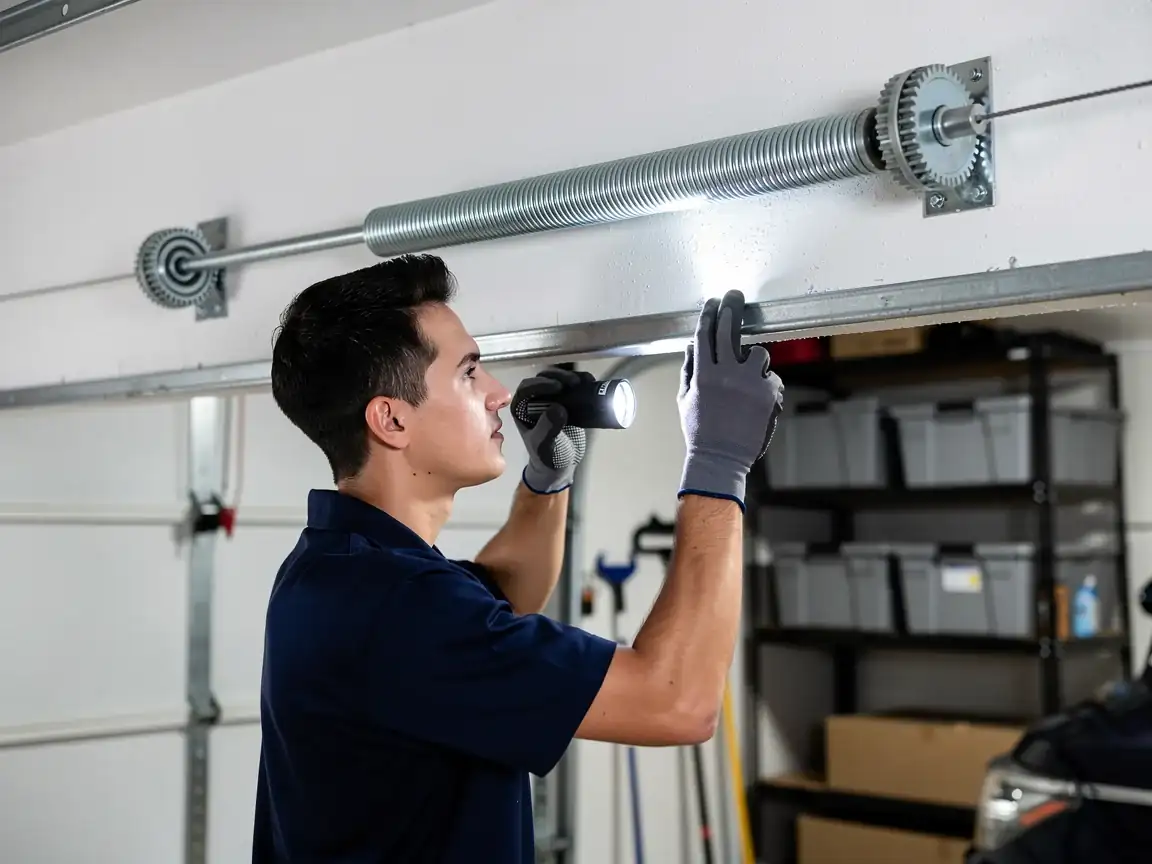
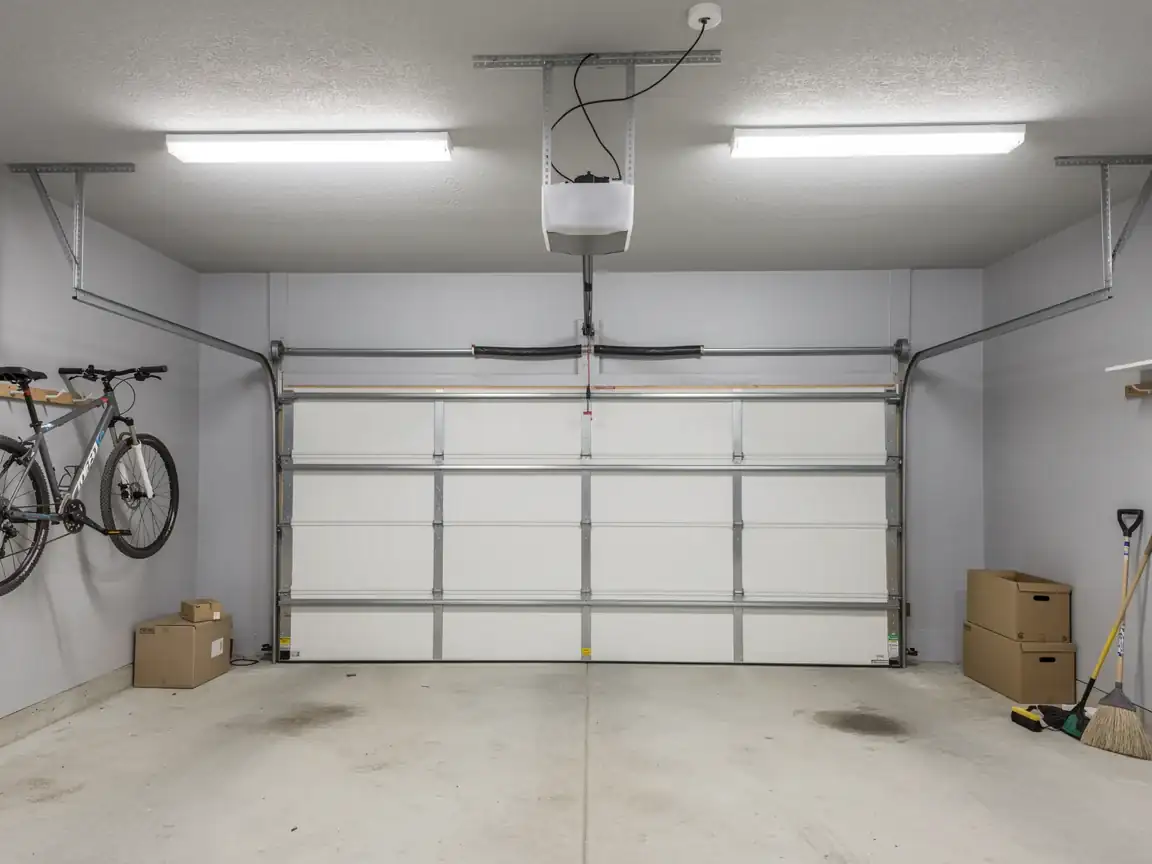
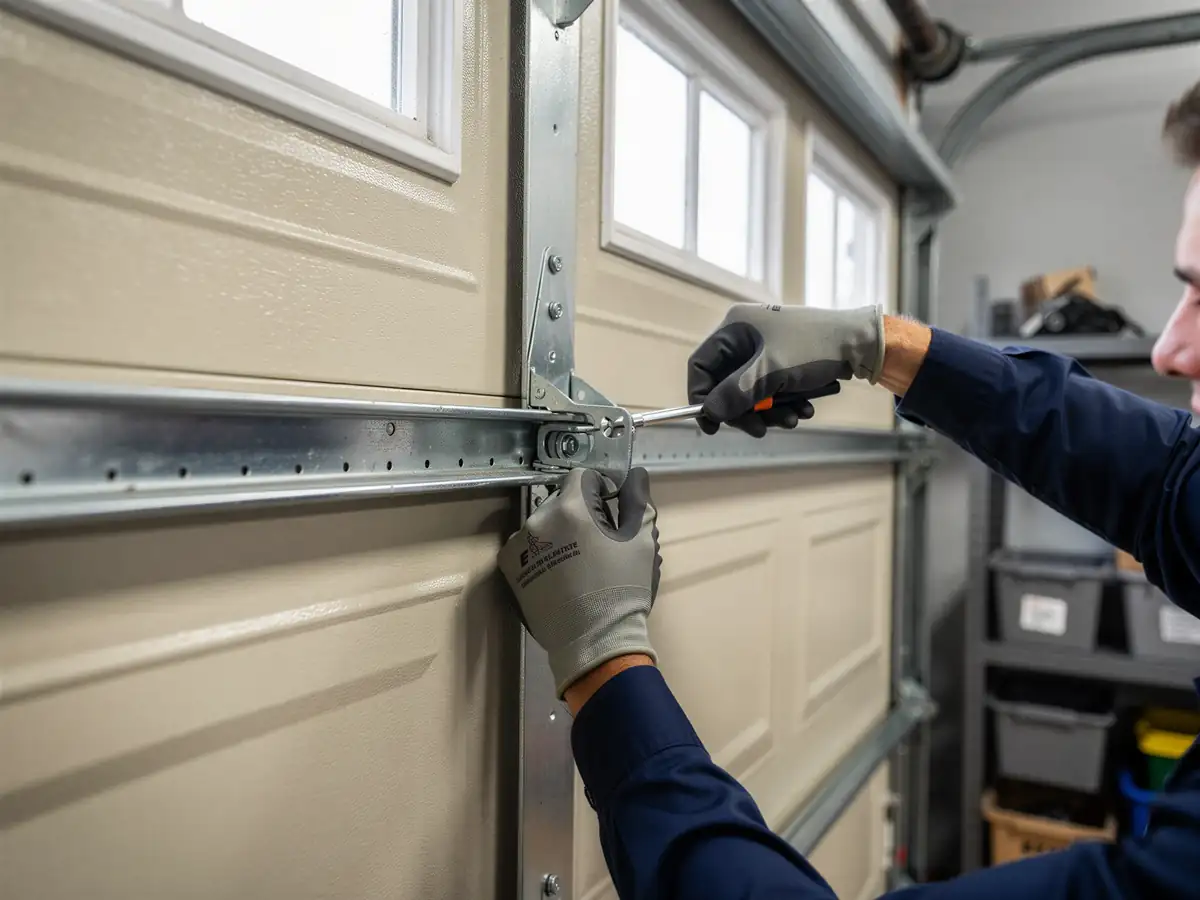
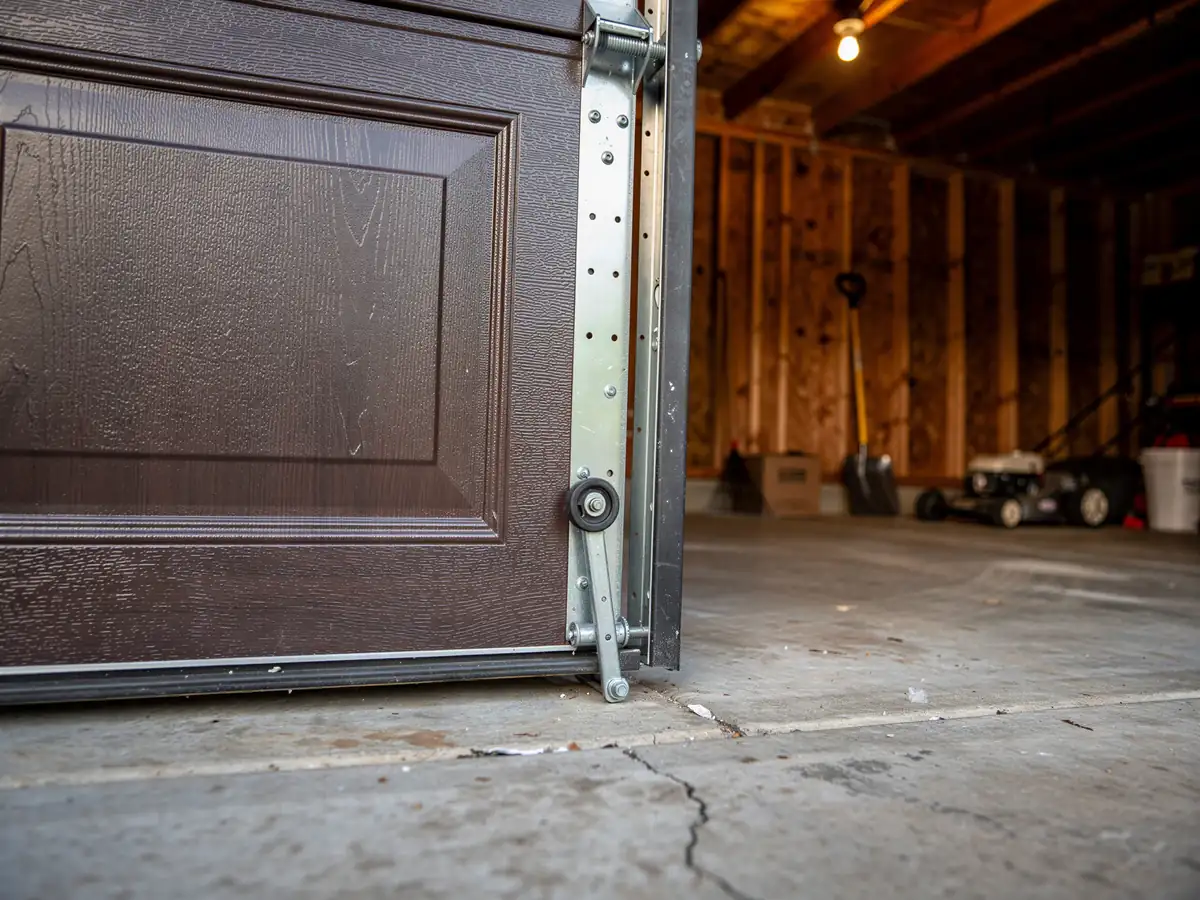
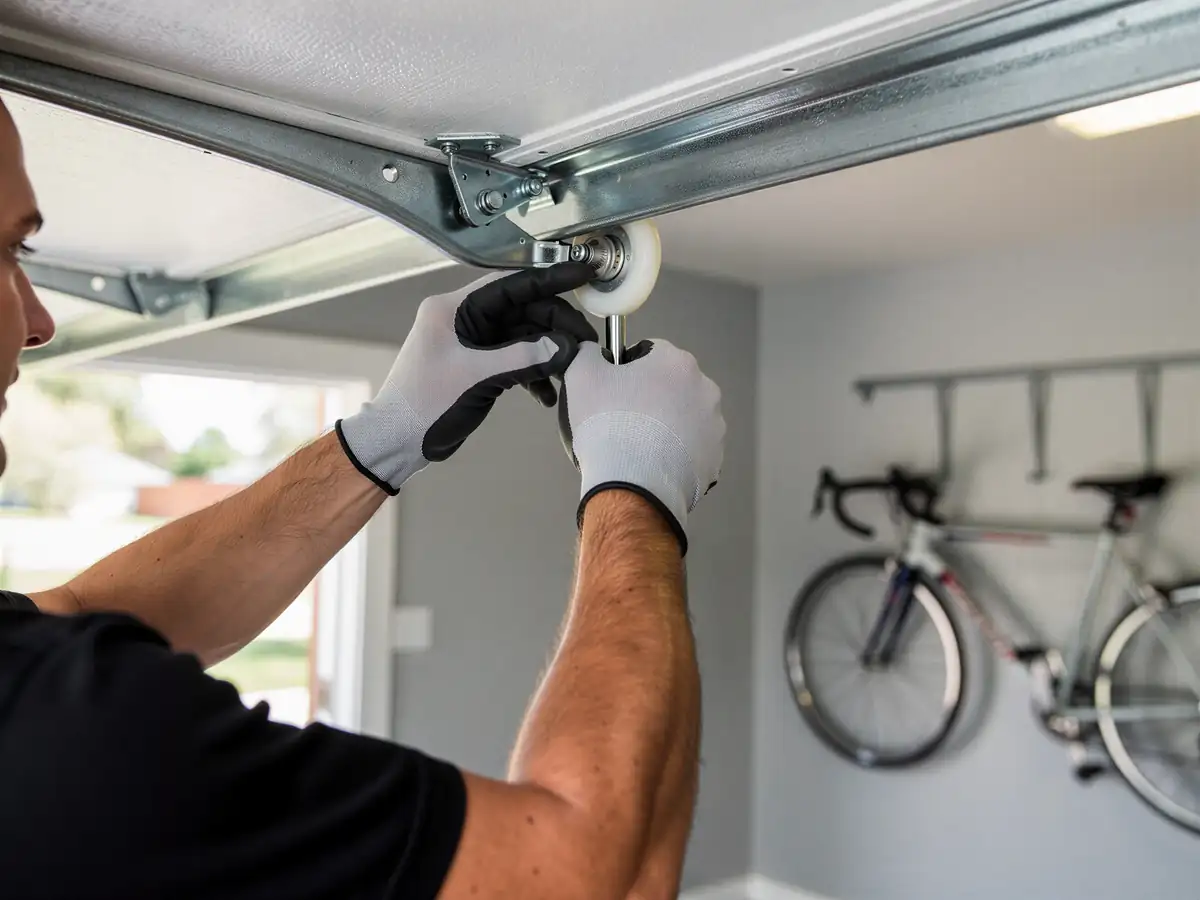
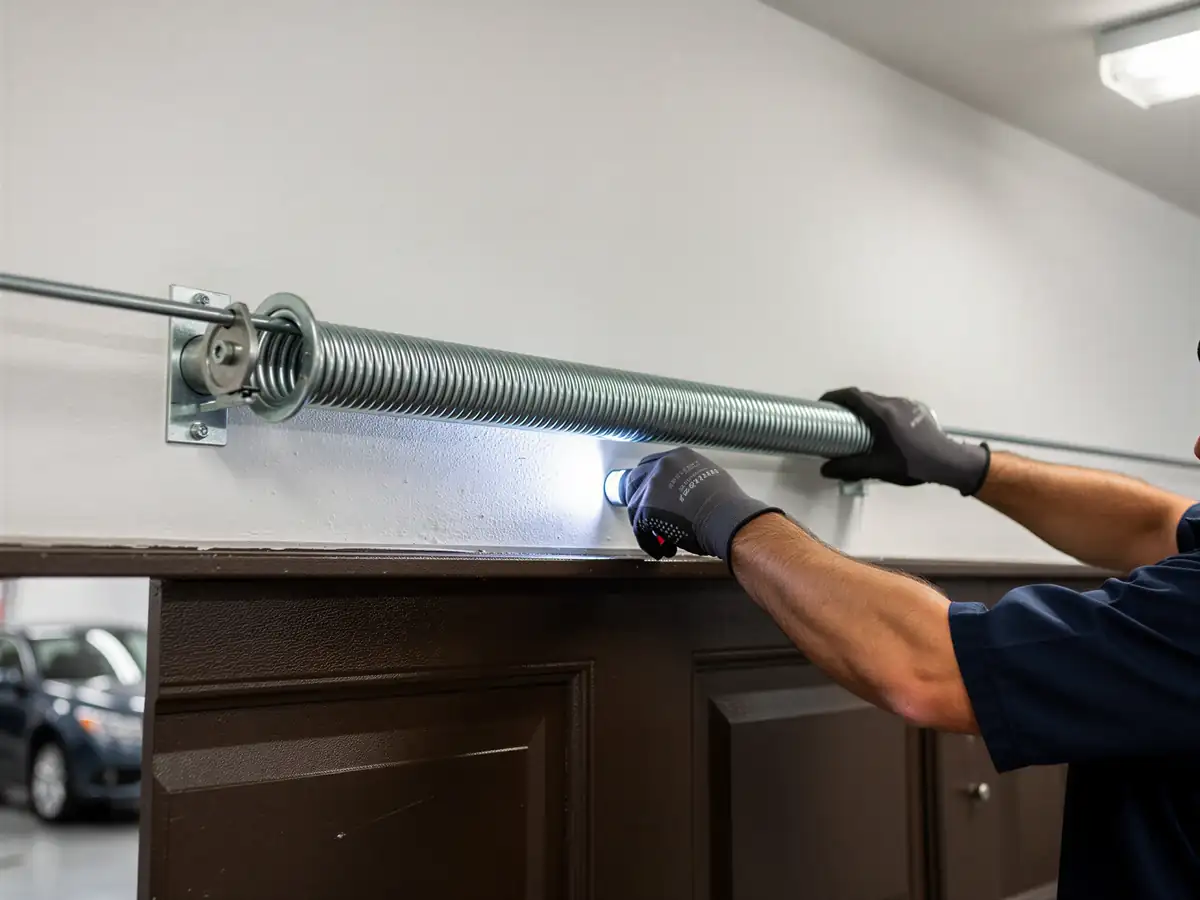
We'll say this plainly: don't attempt a torsion spring swap yourself. These springs are wound under enough tension to break a bone or worse if the winding bars slip, and that's true no matter how handy you are. What you can safely check is whether the problem is actually the spring - look for a visible gap in the coil near the top of the door, or cables that have come loose from the bottom brackets, which is a different and separate fix. You can also lubricate rollers and hinges with a garage door lubricant as routine upkeep; that won't fix a broken spring but it reduces strain on the springs you've still got. Past that, the job calls for a tech with winding bars, a properly sized replacement, and the experience to balance the door afterward - guessing at spring size or tension is how a second, bigger repair gets created out of a first one.