How Long It Takes
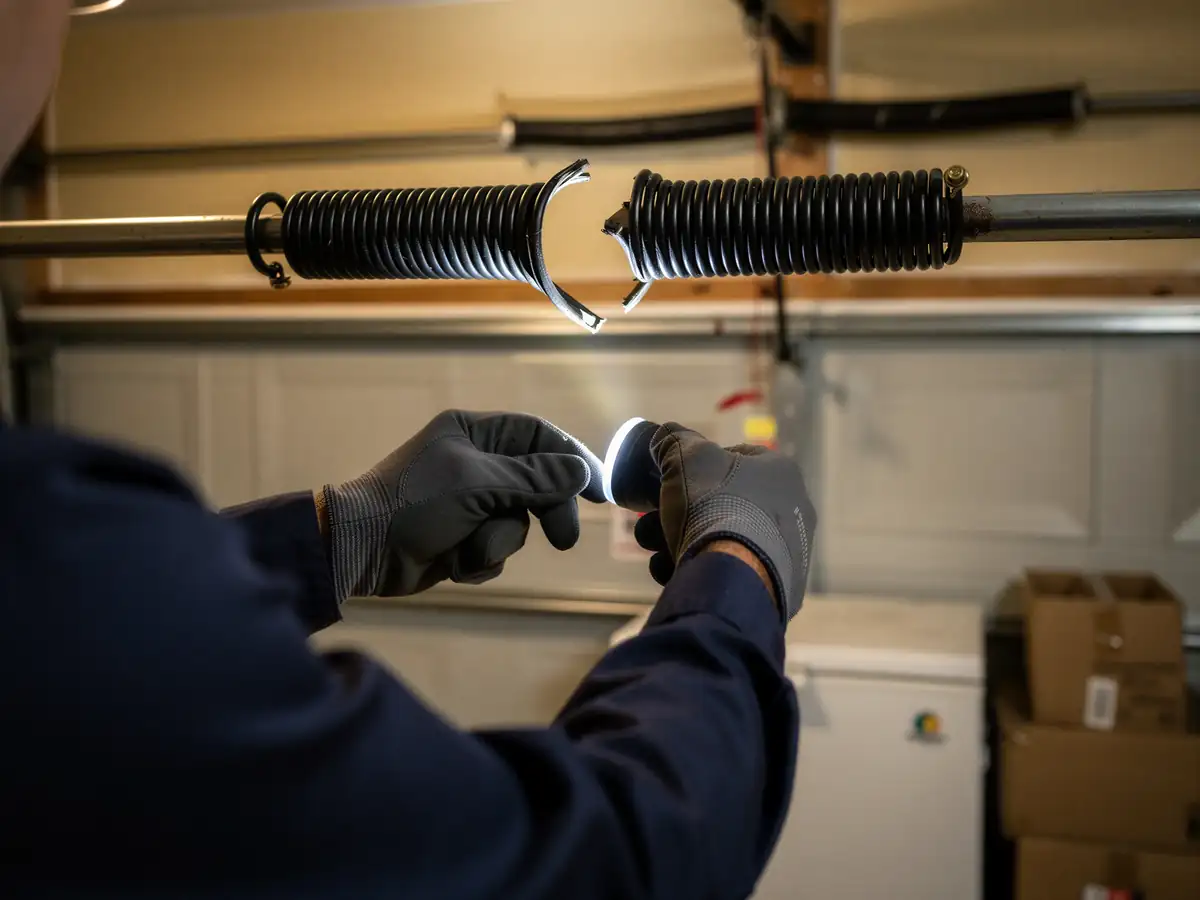
The fault we see most in Sunrise Manor isn't a broken spring
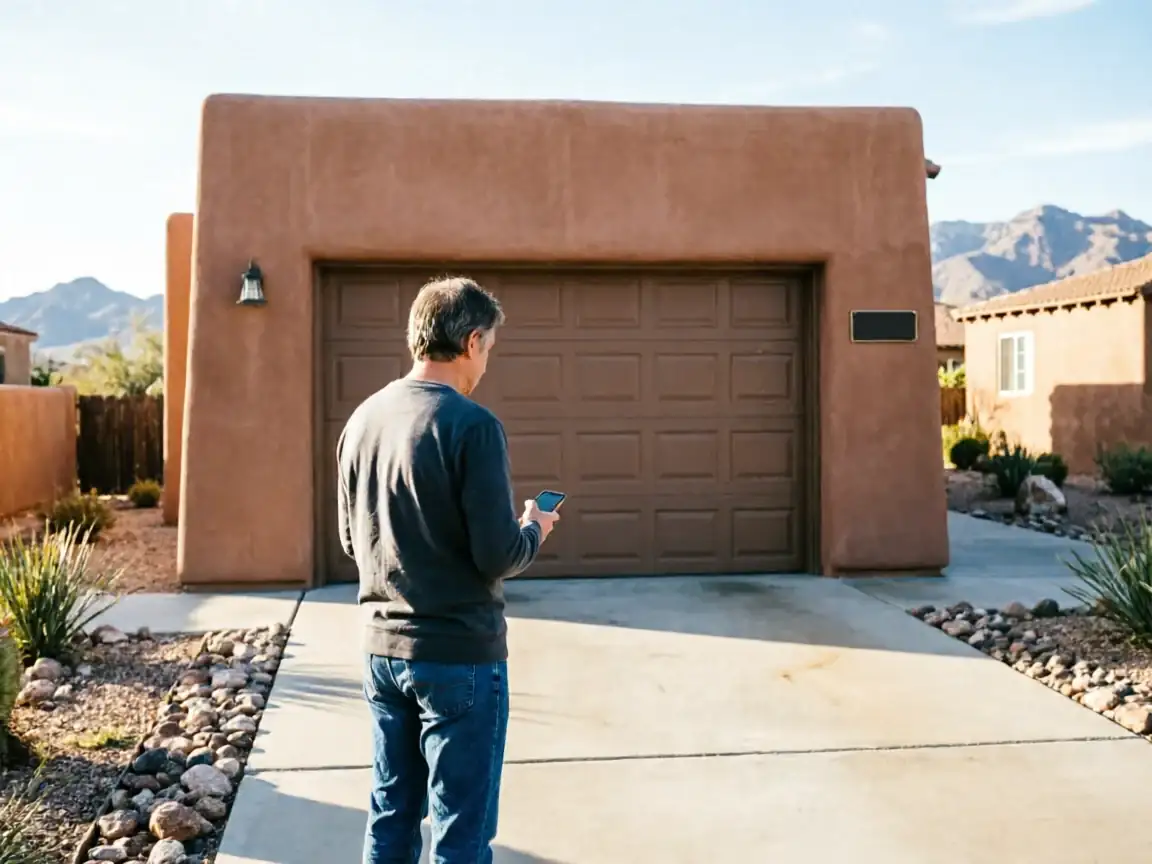
It's a door that's still standing but has quietly failed at its job. Houses here went up around 1991, a run of construction that put steel sectional doors on panels never built with much insulation. Thirty-plus years of desert heat later, those panels have flexed, bowed, or delaminated at the seams, and the door still opens and closes but no longer seals right. That's a different repair call than a spring snap, and a lot of homeowners here are better served by a new door than a patch job.
Once we've looked at the opening and confirmed it's a full swap rather than a repair
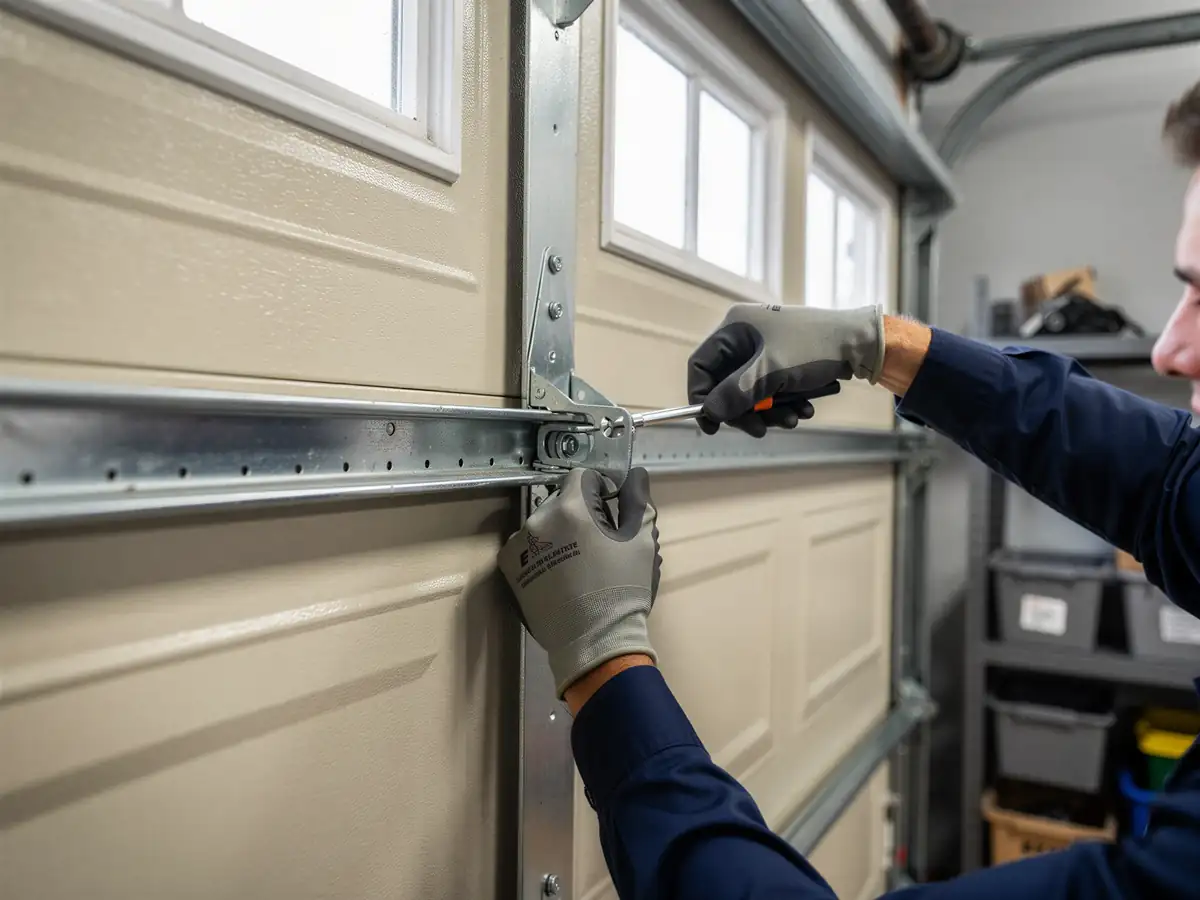
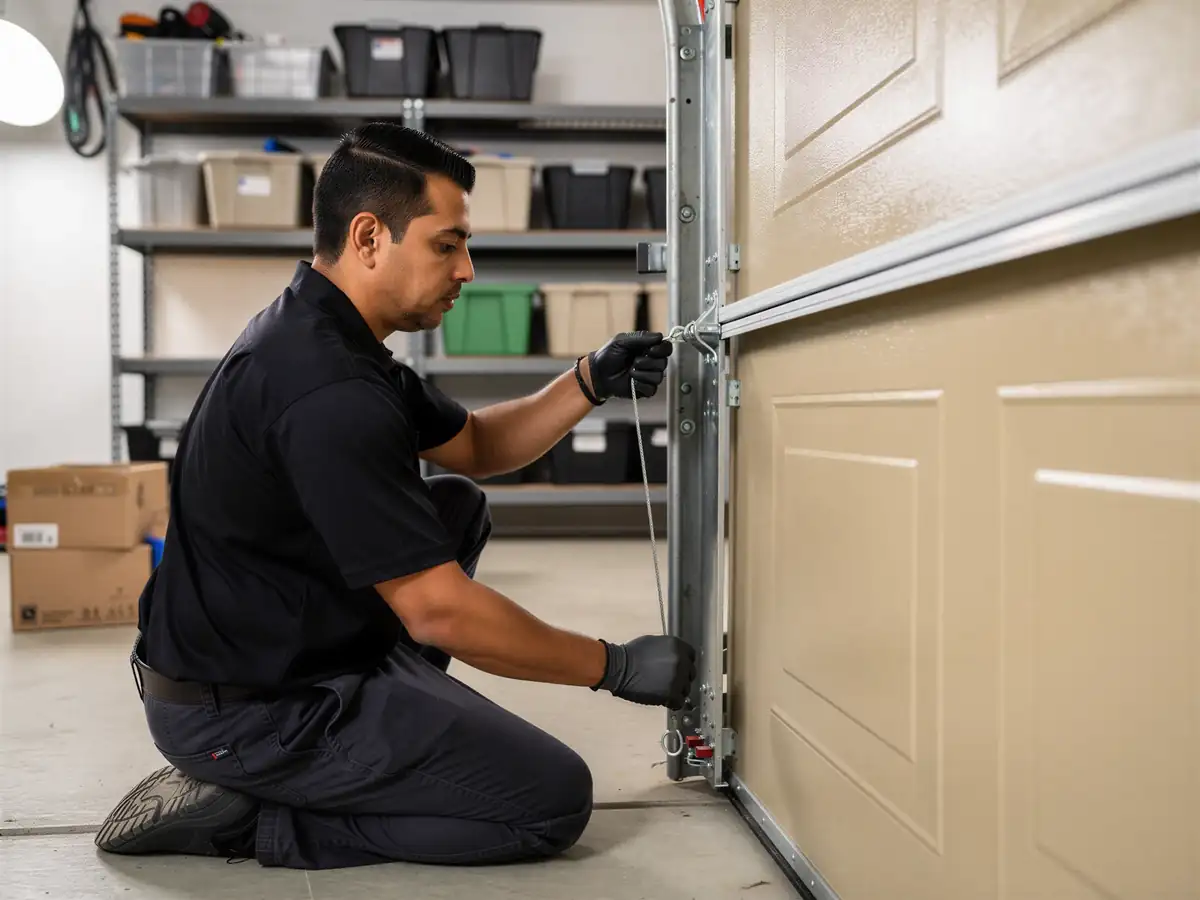
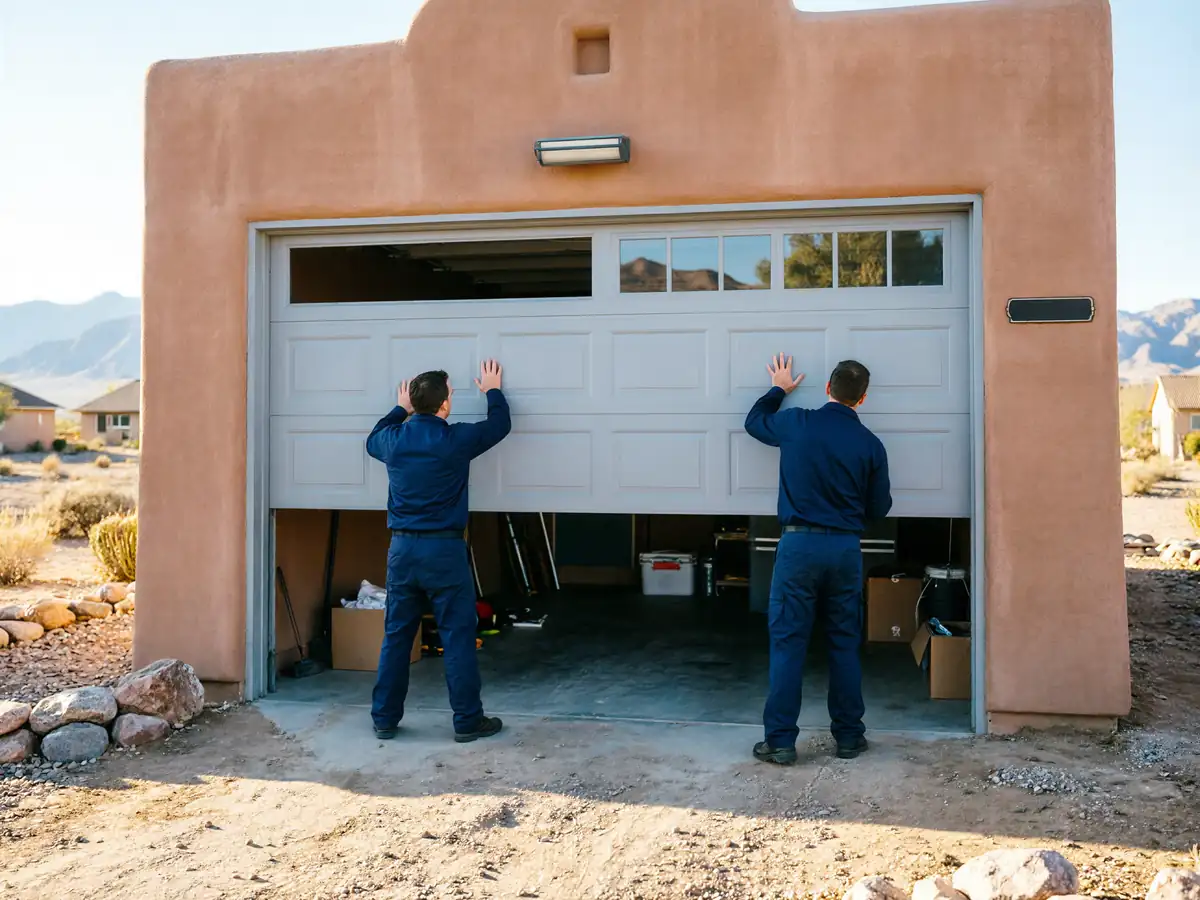
A standard new install at a single-family home runs about half a day for one door, longer if we're also swapping the opener or dealing with a track and jamb that have shifted out of square over the years. We travel out from North Las Vegas, about 8 miles to reach Sunrise Manor, so we schedule the visit rather than drop in same-hour. If the opening itself needs framing work beyond the door and opener, that adds time and we'll tell you before we start, not after.
- 8 miles
How to Book
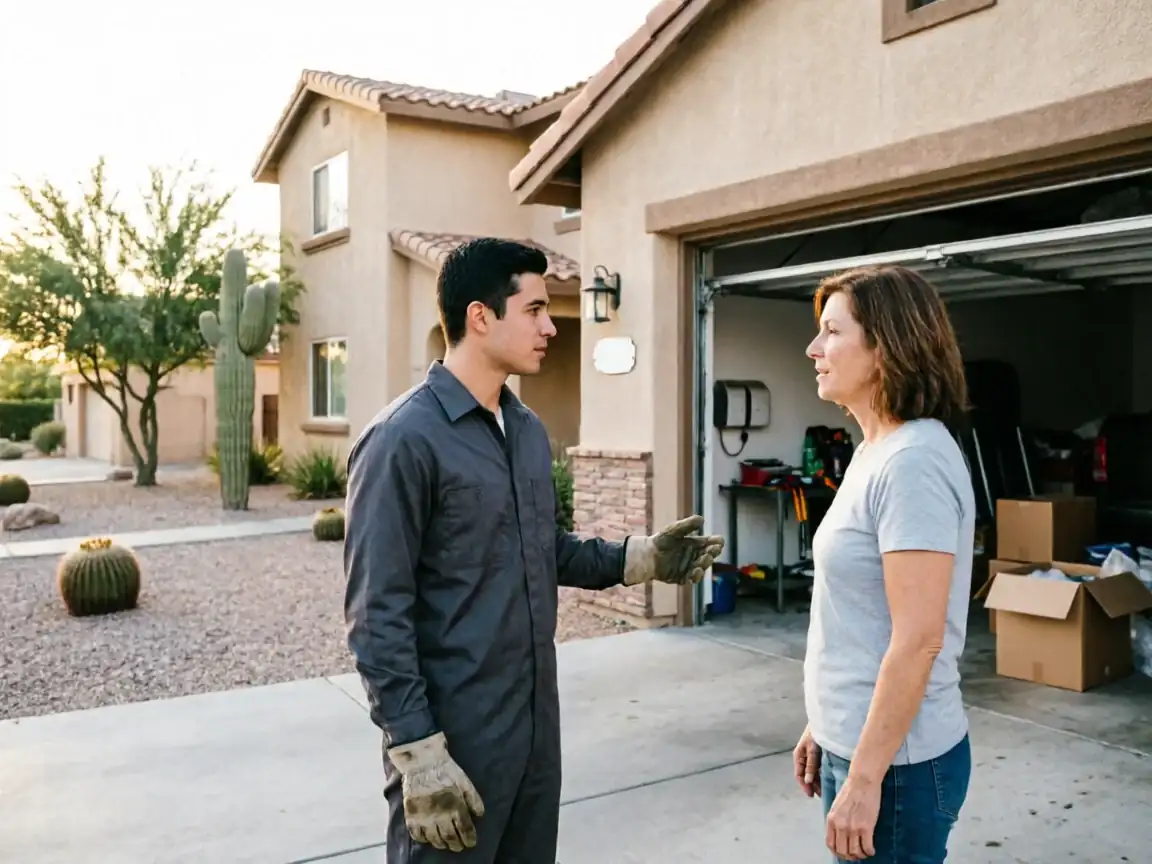
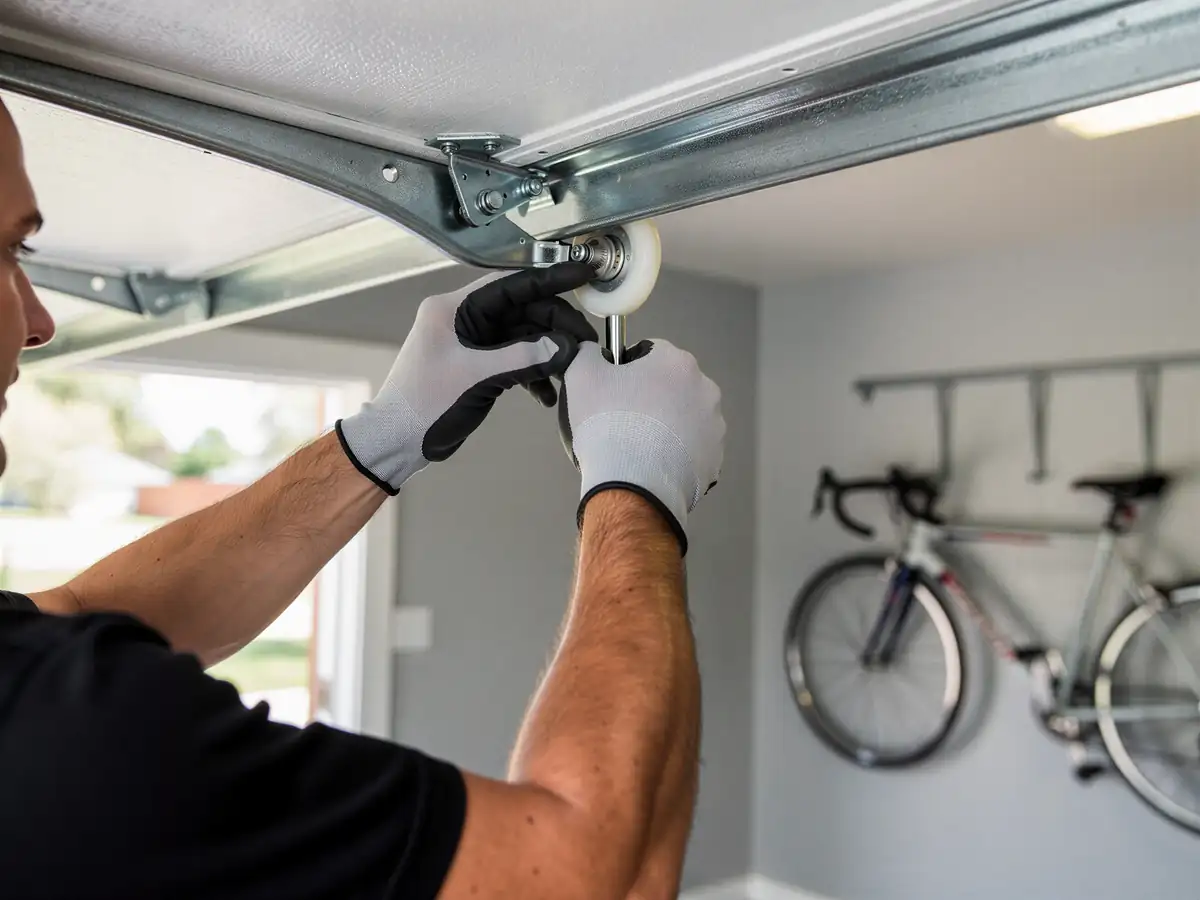
Booking starts with a look at the door you have now, because a lot of what reads as 'door failure' in homes built around 1991 is actually opener or track wear, and that changes what we quote. We'll ask when the house was built, if you know it, and what the door's doing - sticking, sagging, refusing to seal - before we talk new-door options.
You can see more on how we cover Sunrise Manor at /sunrise-manor-garage-doors/, or if you're comparing installation against repair more broadly across our service area, the full breakdown is at /garage-door-installation-north-las-vegas-nv. We book the visit, confirm door size and insulation options on site, and give you a firm number before any work starts - no estimate over the phone sight-unseen, because a door swap on a 1991-era opening sometimes needs jamb work the quote has to account for.
What Causes It Around Here
This area sits in a severe-heat climate band, and that matters more for a garage door than most people expect. A non-insulated steel door built in the early '90s wasn't speced for the kind of sustained summer heat load this region sees now, and after decades of expansion and contraction the panel seams loosen, the bottom seal hardens and cracks, and the door stops closing flush to the slab.
Sunrise Manor's housing stock, mostly dating to the 1980s and '90s build-out across this part of the valley, shares that same problem: doors original to the house, or close to it, reaching the end of a realistic service life right around the same years across whole blocks. That's not a coincidence of bad luck on one house - it's the age of the stock showing up at once. When we quote a new install here we default toward insulated steel or a comparable door rated for heat, because swapping an old uninsulated panel for another uninsulated one just restarts the same clock.
The Symptom
The giveaway isn't usually a door that won't move at all
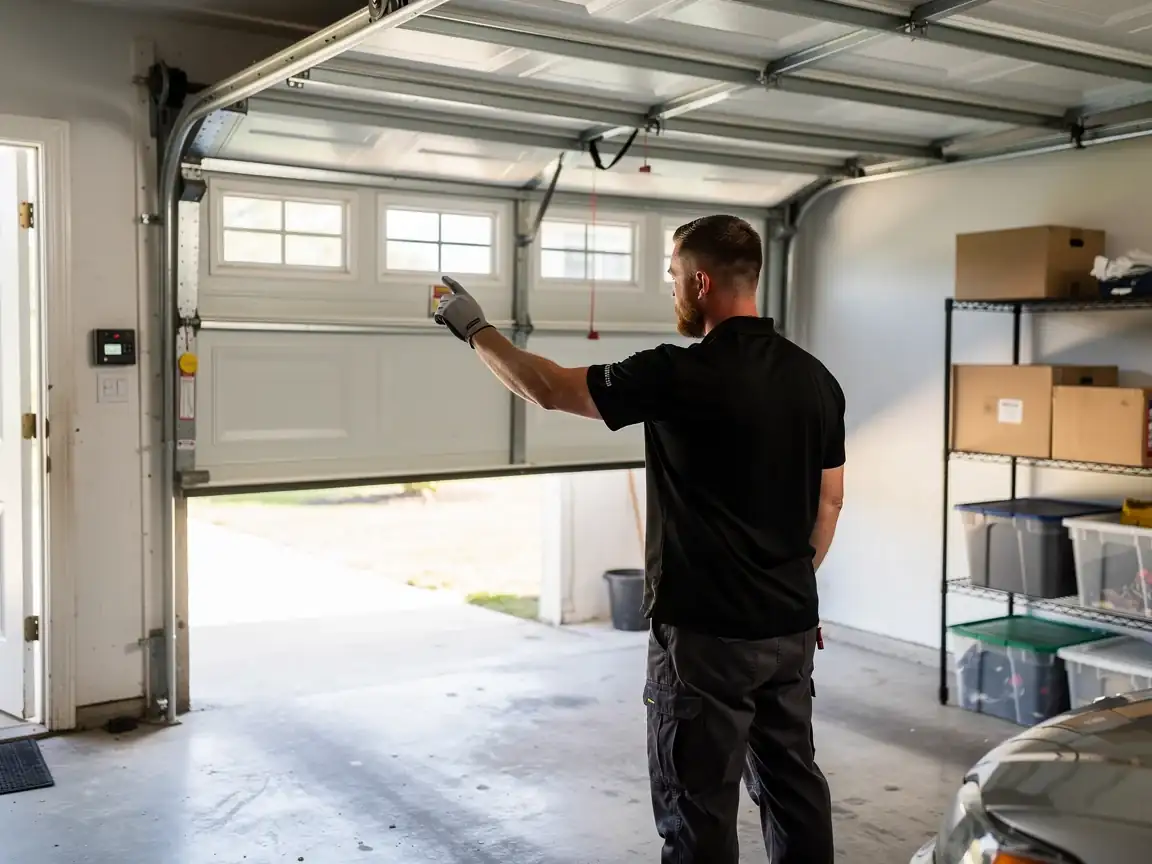
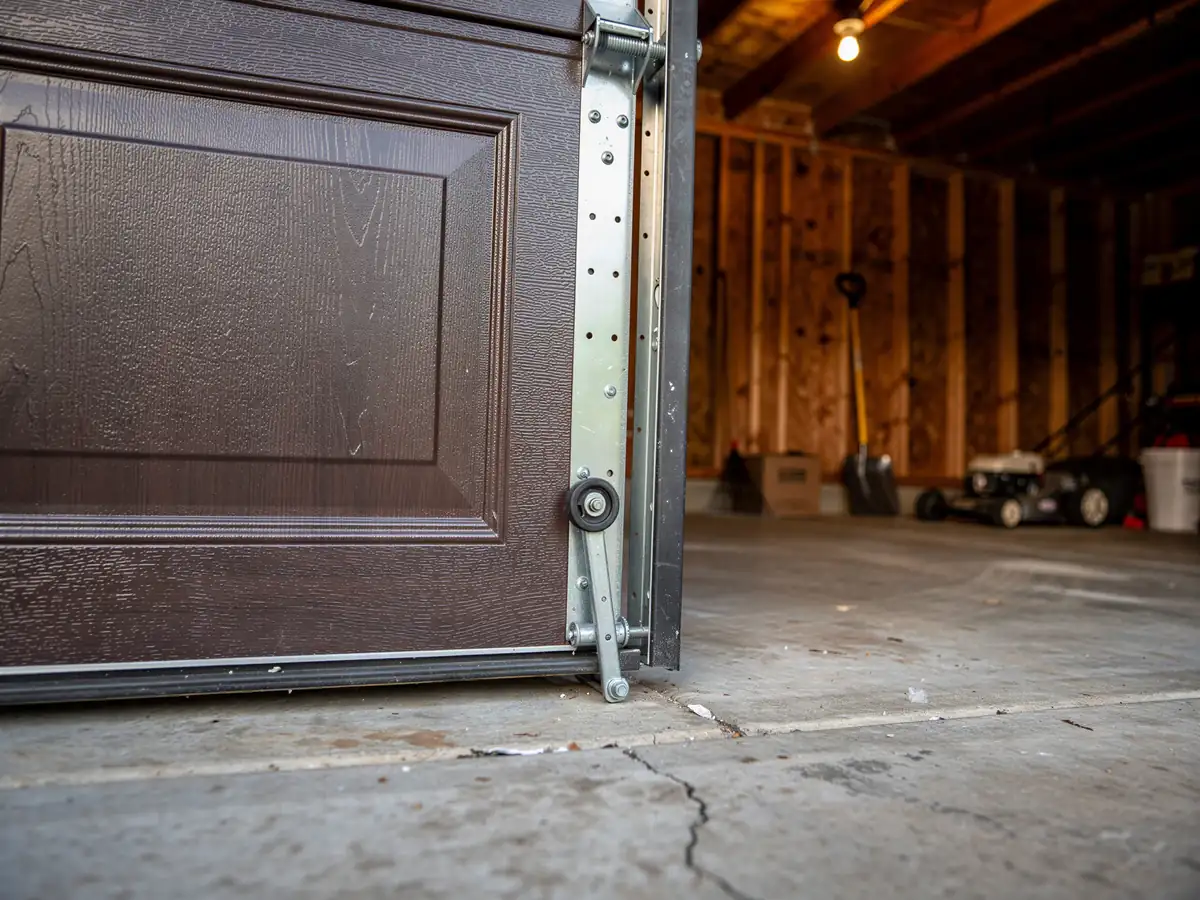
It's a door that closes unevenly, leaves a gap at one bottom corner, or needs a shove partway through the cycle. On a 1991-built opening, that's often the door itself - warped or bowed from heat cycling - rather than the spring or opener, even though the opener strains harder trying to compensate and that's usually what finally gets a homeowner to call.
Another pattern: the door looks fine shut but you can see daylight at the edges
Or feel more heat coming through the garage wall into the house than you remember from a few summers back. That's the seal and the panel both giving up, not a cosmetic issue. If your door is original to a house from that era and you're seeing either of these, it's worth a look before the track or opener takes damage trying to run a door that's no longer square.
Doing It Yourself
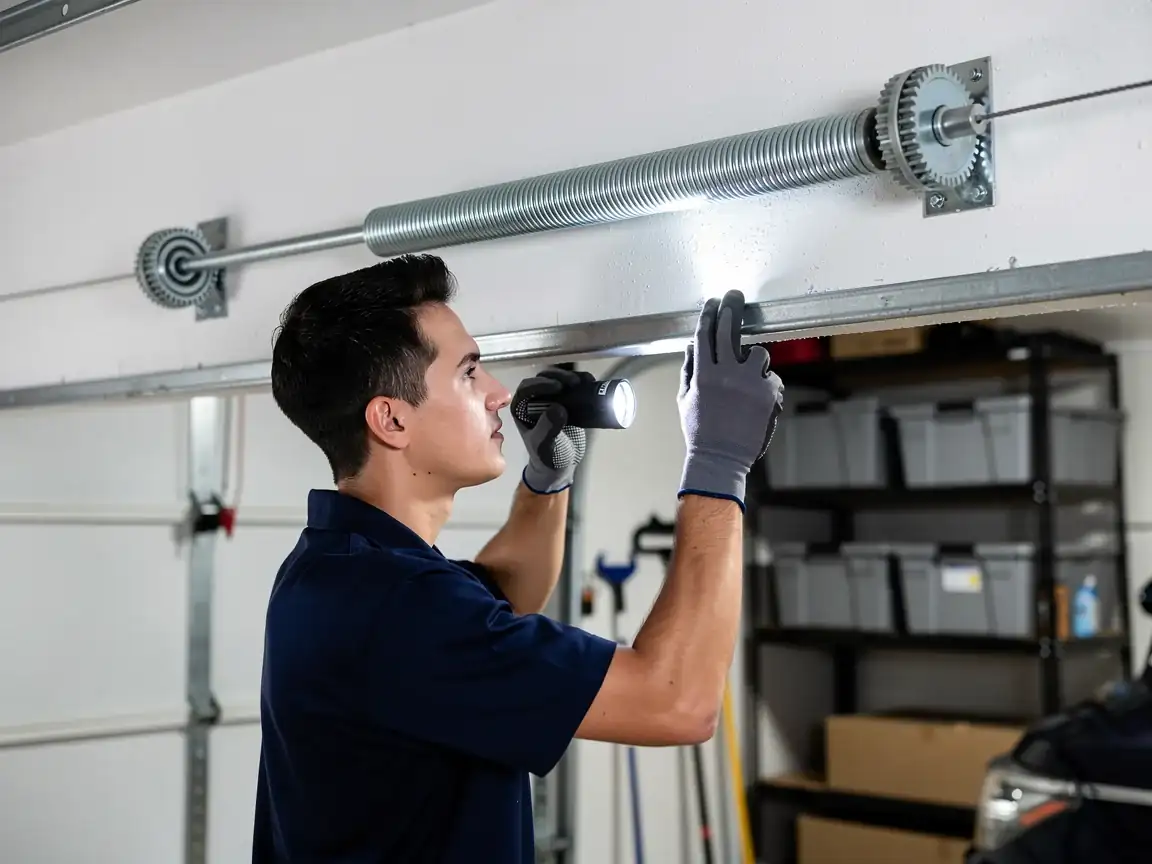
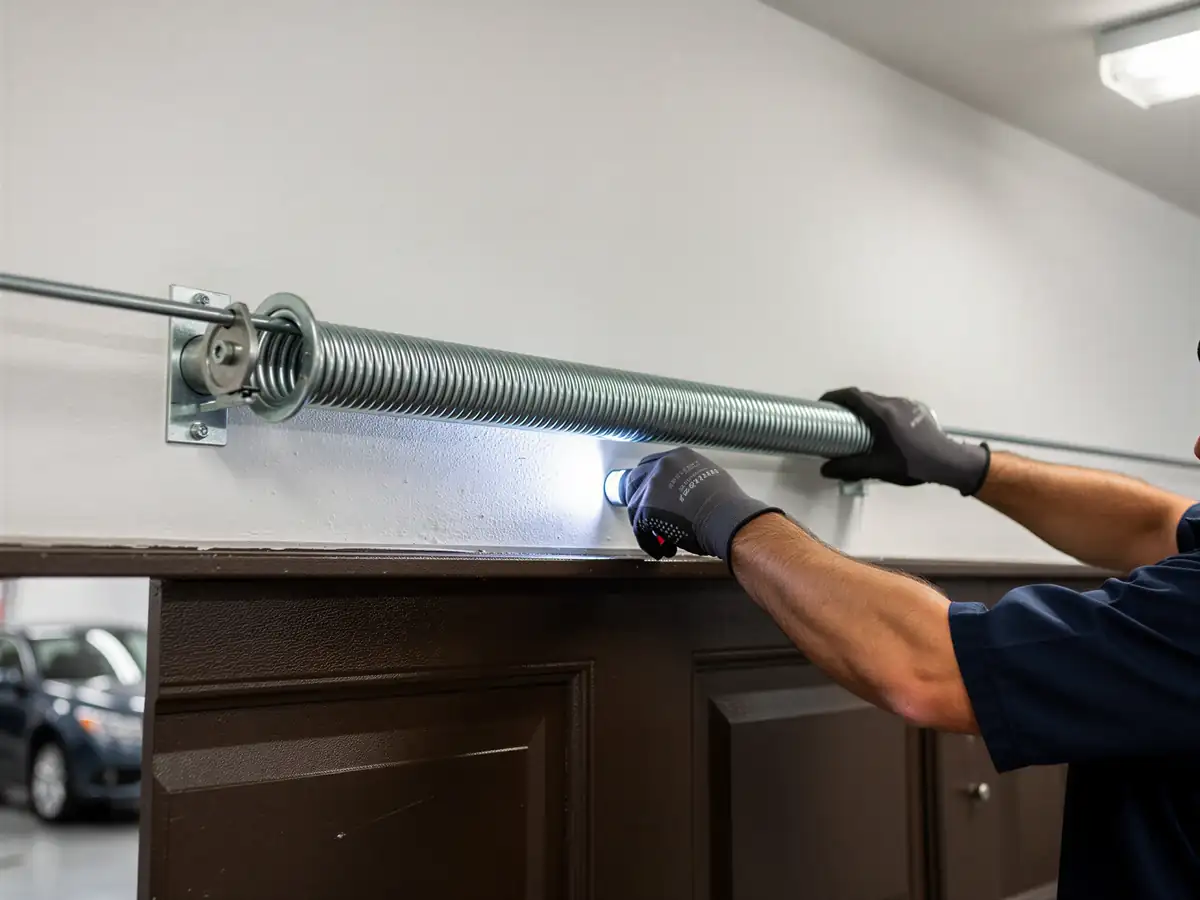
Swapping the opener or the weatherstripping on your own is reasonable if you're handy - those are bolt-on parts with clear instructions. Swapping the door itself is not a weekend project we'd recommend. A full panel is heavy, the spring tension on a sectional door can injure someone who hasn't set it before, and getting the new door square to an opening that's shifted slightly over 30 years takes more than a level and a Saturday.
We'll say plainly: if your door from the early '90s is just sticking or needs a new bottom seal, that's a cheap fix and you don't need a full install - ask us to look at repair first before we sell you a new door you don't need yet. Where we draw the line is structural panel failure or an opener fighting a door that's physically out of shape. That's when a new install actually saves money over repeated patch repairs.